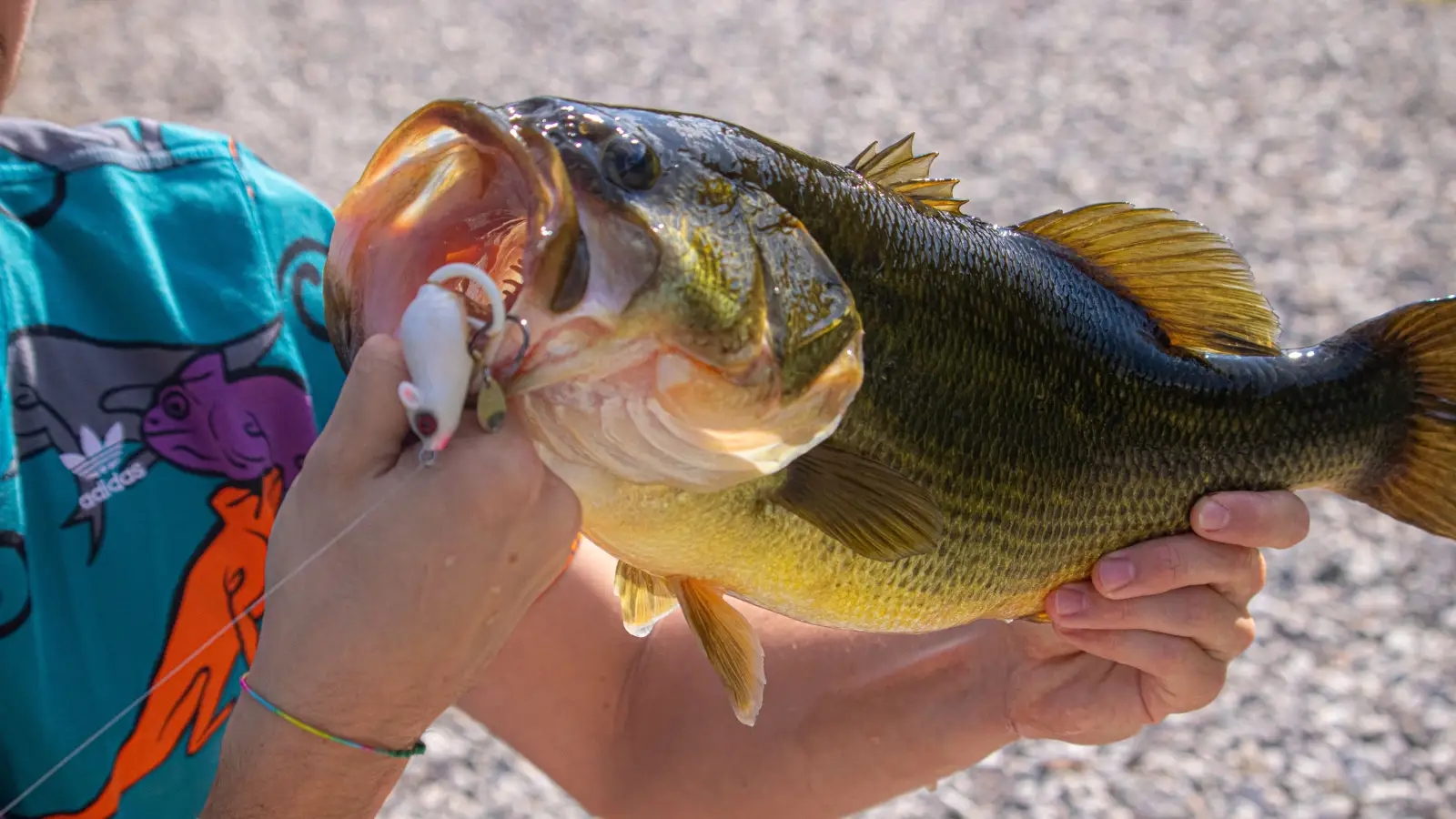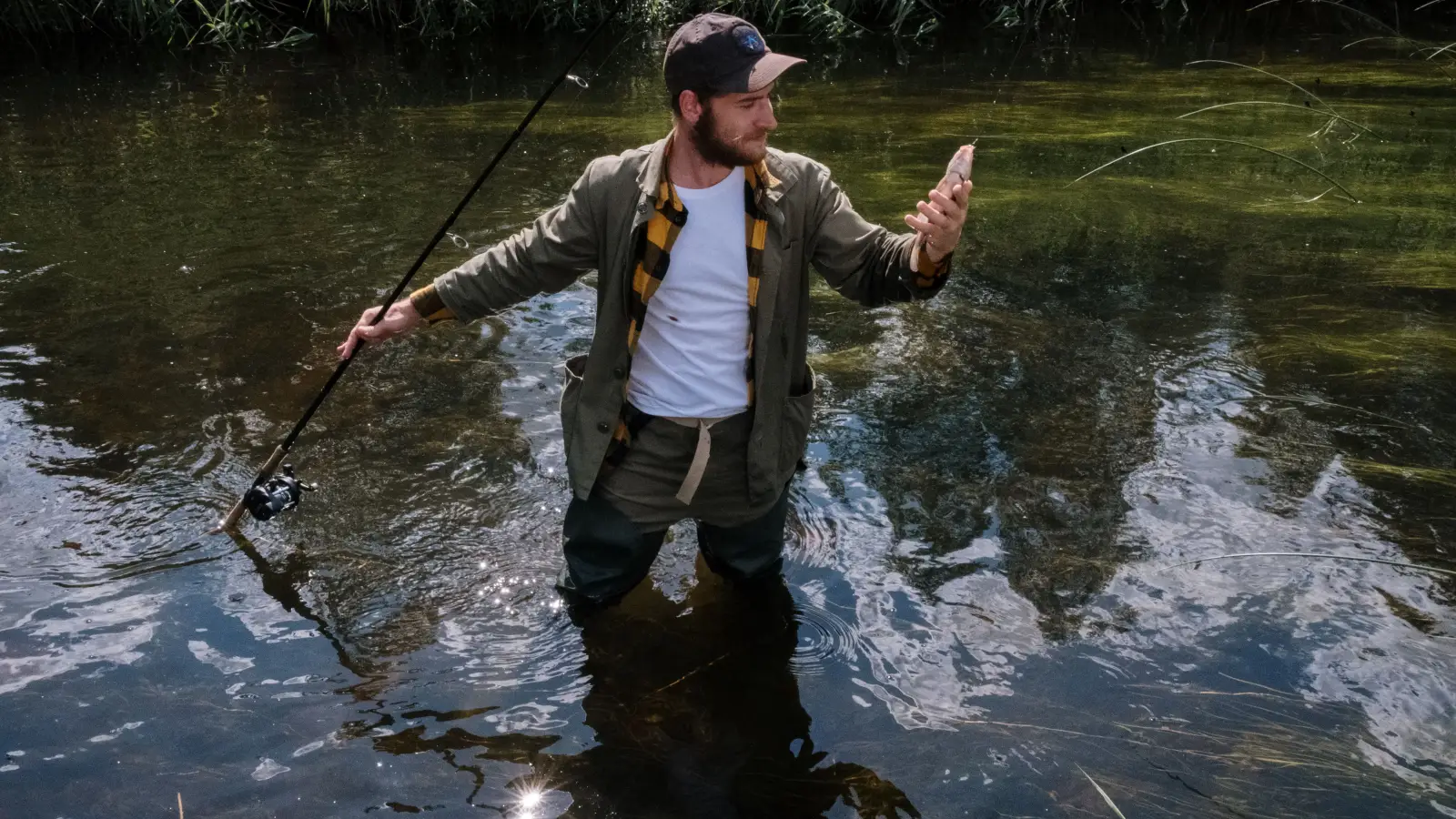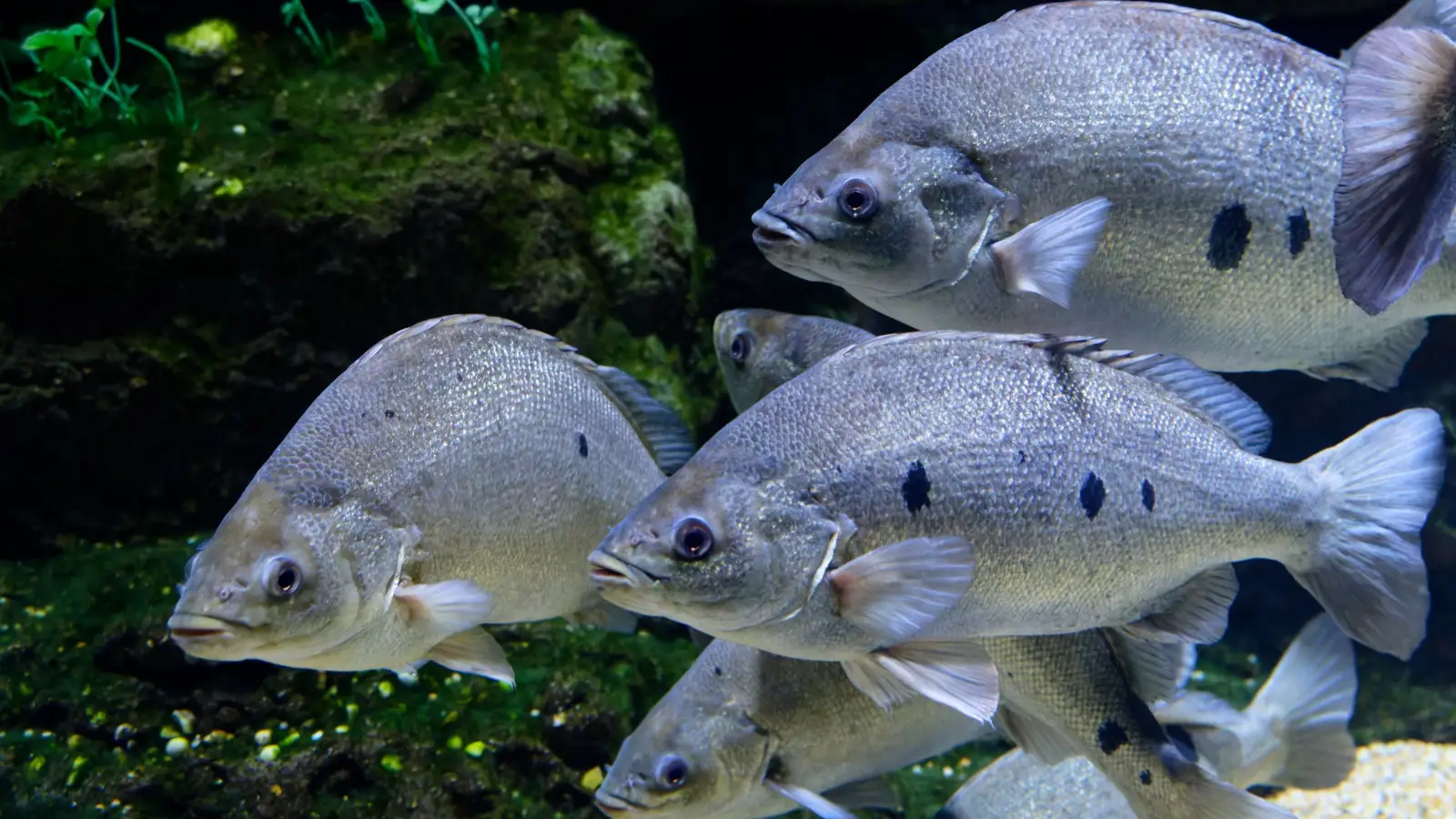
Most bass nests fail. Survival from egg to fingerling frequently drops below 5 percent. Sunfish, crayfish, passing cold fronts, and the temporary removal of a guarding male can wipe out hundreds of eggs in a single afternoon. The few fry that push through decide how many bass—and how big—an angler will catch in two, three, or four years. Understanding that timeline is not academic; it is the most practical way to forecast a lake’s future fishing.
✂️ Reader Starting Points
- The tournament planner mapping future lake rotations. Route: identifying which spawn springs produced strong year-classes and what that means for upcoming bag limits.
- The weekend shore angler watching bluegill pick at a bed and wondering whether the bass population is collapsing. Route: learning why heavy egg loss is normal and what separates a routine failure from a genuine problem.
- The pond owner weighing whether to stock or adjust cover. Route: connecting fry survival windows to water temperature, habitat structure, and the pressure applied during the spawn.
- The newcomer to bass fishing who wants a straight timeline of the spawn’s effects instead of scattered tips. Route: building a season-long picture that starts at the nest and extends to the fish that ends up in the livewell.
What a Nest Needs Immediately—and Where It Can Break Down
A male largemouth bass constructs a circular depression on firm bottom once surface temperatures hit roughly 62–68 °F. A female deposits adhesive eggs and leaves. The male fertilizes them and begins round-the-clock guard duty.
That guard is the weak spot. Sunfish, shiners, and crayfish orbit the nest continuously. If the male is hooked and held away for even a few minutes, egg predation surges. Catch-and-release anglers who work bedding fish see the practical consequence: a released male usually returns, but the gap is often long enough for sunfish to eat a meaningful fraction of the clutch. A nest left unguarded for an hour in warm, clear water may lose most of its eggs before the male is back.
Sign you are ready to move on: you can list the three conditions required at setup—temperature, clean substrate, an undisturbed male—and can explain why the male’s presence is the one that fails most often under angler pressure.
Why Egg Incubation Pivots on Weather and Neighbors
Incubation runs from two to ten days. Warmer water shortens it; a sudden drop of five degrees, common after a spring cold front, can stretch it and leave eggs exposed to predators longer. Rain that muddies the water cuts visibility and makes it harder for the guarding male to spot sunfish and crayfish.
Sunfish are the dominant egg raiders. A single bluegill can consume dozens of eggs in minutes. Crayfish work the nest edge after dark. A cold snap can kill eggs directly before predators even get a chance, rendering the male’s defense irrelevant. Fungus takes hold on dead eggs quickly, and a partially spoiled clutch often draws more scavengers that finish off the rest.
Sign you are ready to move on: you can explain why a three-day cold front during incubation does more damage than a sunny afternoon full of visible bluegill, and you can name crayfish and shiners as additional egg predators.
Swim-Up and the Gaps That Kill Fry
Once the yolk sac is absorbed, fry rise off the nest. This swim-up phase is brief and unforgiving. If zooplankton blooms are not underway when fry begin feeding, the cohort starves. Male protection ends; the fry school near grass or wood, but everything from dragonfly nymphs to adult bass now hunts them.
A warm spring that triggers a plankton bloom right as fry rise can boost survival sharply. A cool, clear-water spring that delays the bloom leaves fry with nothing to eat, even if egg viability was high. The difference shows up in the same county, on the same weekend: one lake produces a strong fry cloud; the other produces almost nothing.
Sign you are ready to move on: you can connect plankton availability to fry survival and can give a reason why neighboring lakes often produce sharply different recruitment in the same year.
From Thousands of Eggs to a Handful of Fingerlings
A single female drops thousands of eggs, but the number that reach fingerling size is typically in the dozens. Predation remains constant. Bass fry that reach one inch become targets for larger bass. Those that push into flooded terrestrial vegetation—buttonbush, willow, flooded grass—survive longer. By early fall, year-class strength is essentially fixed.
That number directly shapes the fishing three or four years later. A wet spring that floods shoreline cover often produces a standout year-class; four years on, anglers catch a strong pulse of 2- to 3‑pound fish. A drought spring during low water exposes nests, kills vegetation, and leaves fry without refuge. The same lake four years later shows a hollow in that size bracket that even good forage cannot fill.
Sign you are ready to move on: you can take a specific spring weather pattern—say, a late flood followed by stable warming—and forecast the window when those bass will first show up as a dominant size group in the catch.
Signals That You Have Grasped Each Phase
- Name a nest’s three setup requirements and identify the guarding male as the most common failure point under angler contact.
- List sunfish and crayfish as primary egg predators; explain why a cold front and muddy water compound their impact.
- Connect plankton bloom timing to first-feeding fry and describe why two nearby lakes can yield opposite recruitment in the same season.
- Trace a spring weather event to a future spike or gap in the adult bass population, with a rough year range for when anglers will feel the effect.
Delayed Worries: When to Act on Nest Failure
- Restocking after one bad spawn. Wait until electrofishing surveys or consistent angler reports show consecutive weak year-classes, and only after adding cover or adjusting harvest rules has been tried.
- Assuming abandoned nests mean anglers ruined them. Many nests fail with zero boat traffic. Investigate angler impact only when failure rates jump on lakes with heavy bed fishing and other factors are ruled out.
- Fretting over fry when adult bass are plentiful. Adult bass eating young-of-year is standard. Concern is warranted when shoreline surveys turn up no juvenile bass at all for multiple springs.
- Treating each failed nest as a population emergency. Most nests fail—that is the baseline. Action is justified only when fisheries data confirm recruitment failure over several consecutive years.
Frequently Asked Questions
What percentage of bass eggs survive to adulthood?
Typically well under 1 percent reach fingerling size, and an even smaller fraction grow to catchable size. Most loss happens in the first two weeks from predation and weather.
Does removing a male bass doom the nest?
It does not guarantee total loss, but it cuts survival sharply. Even a brief absence during peak sunfish feeding can strip a nest. If the male is kept or killed, the nest is generally empty within hours.
How long until bass fry are independent?
The male guards them for a few days after swim-up, then the school scatters. True independence—survival without the school’s protection—arrives once the fry hit about an inch and move into dense cover.
Can a bass population recover after a complete spawn failure?
Yes. Bass live long enough to produce strong year-classes later if conditions improve. A single failed spring rarely collapses the fishery unless repeated several years in a row.
What kills more bass nests: predators or weather?
Weather often acts as the trigger. A cold front or heavy rain can kill eggs outright or weaken the male’s defense so predation finishes the job. In stable weather, predation alone still claims the majority of nests.
Forecasting Your Fishing Starts at the Nest
Knowing why most nests fail reframes every trip after the spawn. The spring becomes a filtering machine, not a given. For the angler who wants to act on this, the first concrete step is to log the water temperature and date when beds appear on a familiar lake, then track the weather for the three weeks that follow. That record, built year over year, is the most reliable forecasting tool available—no stocking report replaces it.