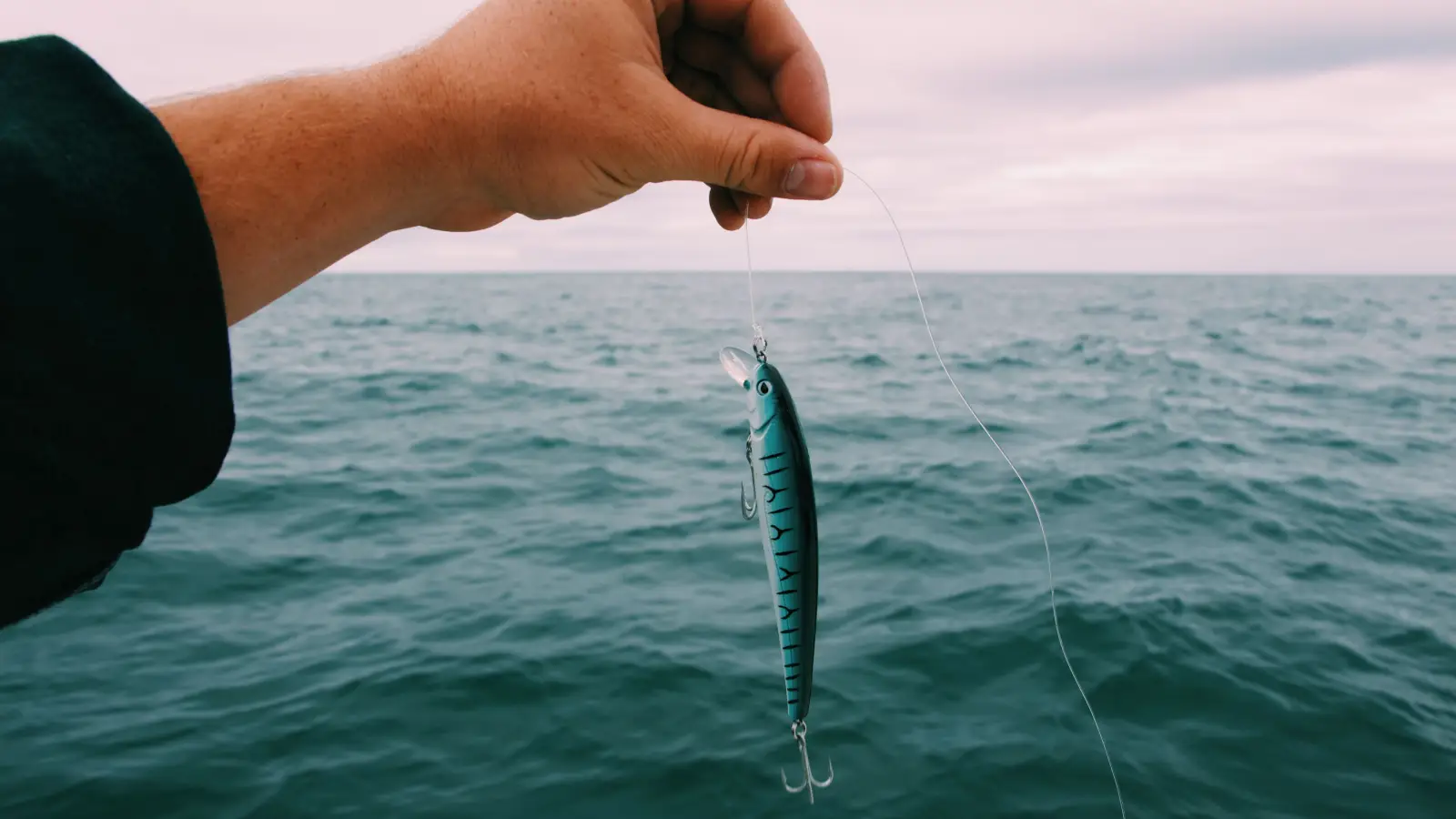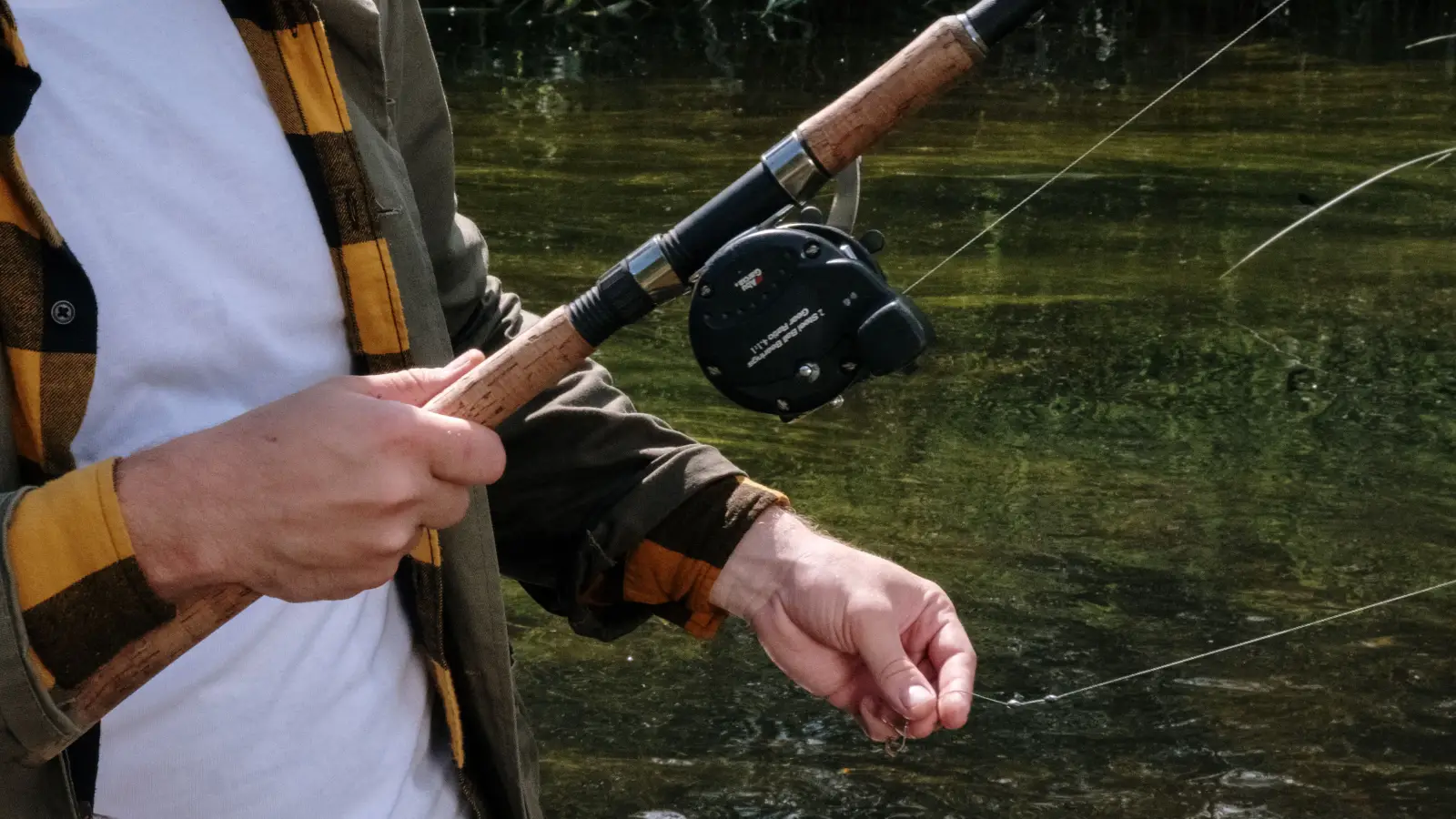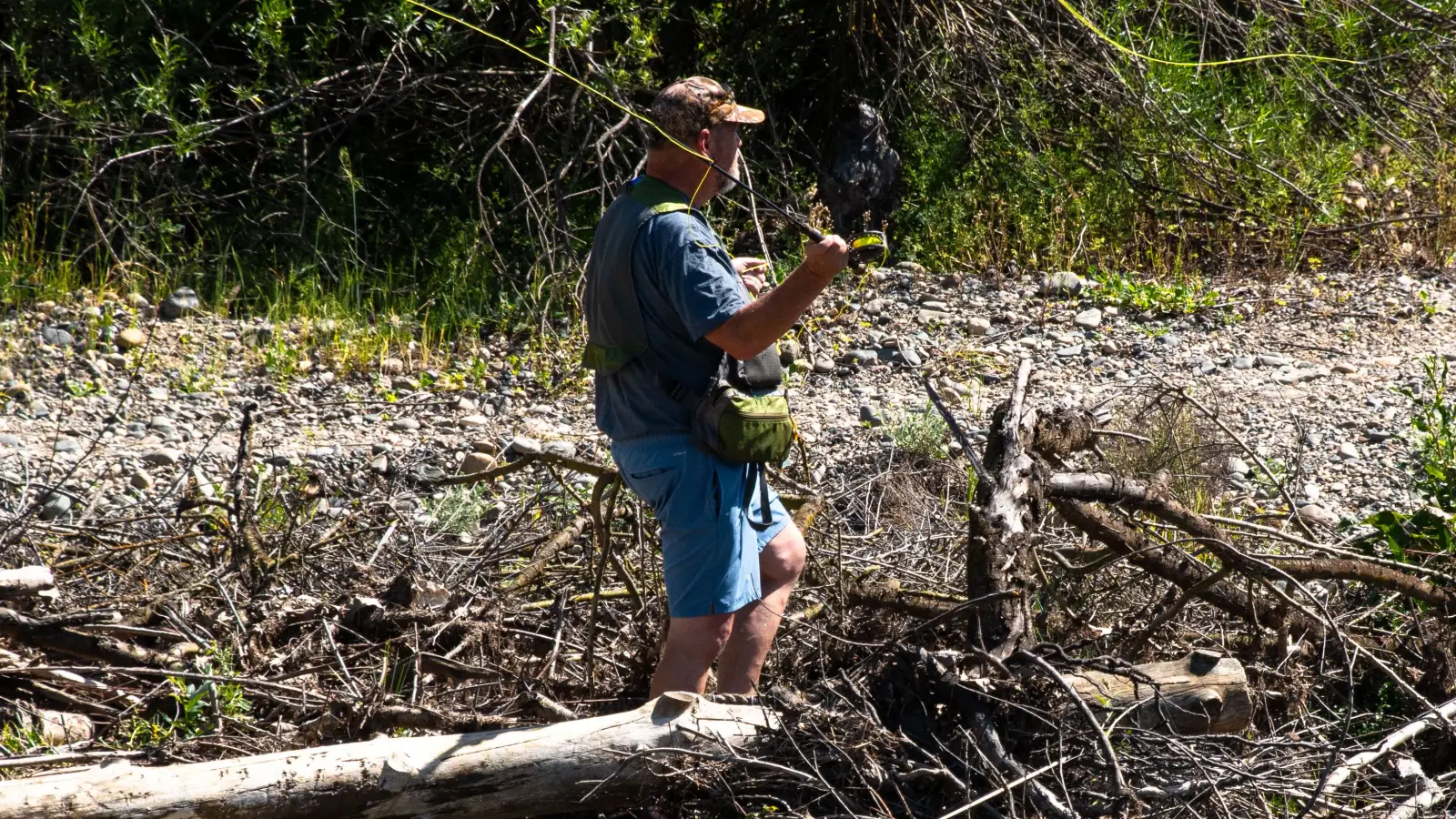
Beginners walk into a fly shop expecting to pay for months of frustration while the spin rod sits in the corner as the safe, easy fallback. That idea holds fine on open water, but it evaporates the instant the wind stiffens, the banks close in, or trout start sipping on a mirror‑smooth surface. Under those very specific conditions, the fly rod actually asks for fewer micro‑corrections, fewer lucky line mends, and far less guesswork than a spinning setup.
Difficulty doesn’t live in the gear. It lives in the situation. Fly fishing got its reputation mostly because novices first try it on wide, windy flats—exactly the wrong proving ground. Reframe the question around what the fish see and where the angler is standing, and the whole picture flips. Most of the time, the so‑called harder method is actually the lazier one for the job at hand.
Three Conditions That Flip the Difficulty Script
Instead of picking a winner, look at how the same weather, water, and cover load one method with extra work while leaving the other almost untouched. The table below shows where the beginner assumptions break first.
| Scenario | Winner | Why |
|---|---|---|
| Stiff wind (15+ mph) | Fly rod | The mass of the fly line carries through gusts; light spin lures deviate wildly. |
| Casting in tight, overgrown creeks | Fly rod | A roll cast needs zero backcast clearance; a spin cast requires room to avoid snags. |
| Presenting a dry fly to pressured trout in glassy water | Fly rod | A fly lands softly without splash; a spinning lure’s entry sends fish scattering. |
| Picking apart deep structure from a drifting boat | Spin tackle | Depth control is immediate; fly line management becomes a chore with long leaders and heavy flies. |
| Quick, repeated casts to schooling bluegills or white bass | Spin tackle | Retrieving and re-casting takes a flick of the wrist; false casting wastes time. |
When Gusts Push Light Lures Off Target
Why a Fly Line Powers Through the Wind
A floating fly line isn’t just heavier than thin mono or braid—it’s built to carry its own momentum. The mass of a 5‑weight line forms a loop that cuts through a 15‑knot gust with barely a wobble. A ⅛‑ounce spinner, meanwhile, loses its trajectory the second the wind catches it and starts wandering sideways long before it ever reaches the target. The physics are boringly simple: more mass, less deflection.
The Trade‑Off: Distance and Lure Size
Going with the fly rod here costs you the ability to bomb a cast 100 feet and to throw bulky, wind‑resistant lures. A fly line simply won’t compete with a baitcaster loaded with a heavy plug when the fish are way out and the wind is the only thing standing between you and a bite. For that, a heavier spinning rod is the lazier, smarter call.
When There’s No Room for a Backcast
Why the Roll Cast Saves the Day
In a tunnel of willows or along a ten‑foot‑wide spring creek, a fly angler never makes a backcast. The roll cast—and its cousins, the single‑hand spey and the steeple cast—generates a forward loop from water tension alone, needing zero room behind. A spin angler trapped in the same spot has to lob underhand, pendulum‑swing, or contort into a bow‑and‑arrow shot, sacrificing both accuracy and distance along the way.
The Trade‑Off: Open‑Water Reach
That same roll‑cast wizardry becomes a handicap the moment you step onto a windswept reservoir. Roll casts can’t generate the line speed to reach a fish feeding 50 feet out in open water. A spinning rod, meanwhile, sends an unweighted lure across that gap with a casual sidearm flick. Fly gear wins the tight stuff; spinning gear wins the wide‑open.
When the Fish Will Flee at the First Ripple
The Advantage of Quiet Landings
A size 18 dry fly made of deer hair and hackle touches the surface with the dimple of an insect emerging. A quarter‑ounce Rooster Tail lands like a rock thrown by a kid who just discovered gravity. Pressured trout in clear, flat pools learn that sound means danger and disappear before the lure even starts its retrieve. Fly fishers also own a subtlety that spin anglers can’t copy without adding visible hardware: upstream mends that deliver a twenty‑foot drag‑free drift through complex currents.
The Trade‑Off: Hook‑Up Speed
A soft landing forces a soft, delayed hook set. A trout sips, spits, and turns down before the angler can react. Spin anglers with tight‑line contact drive the hook home the moment they feel weight. In dirty water where the fish can’t see the lure’s entry, that instant hookset often matters more than a silent landing.
When Covering Water Is the Priority
Why Spinning Gear Wins on Open Flats
If the goal is combing through a huge flat or lake looking for active fish, spinning gear lets an angler burn through retrieves and switch lure profiles in seconds without re‑rigging leaders. One rod can throw a topwater popper, a mid‑depth crank, and a deep‑diving plug back to back. The fly angler would need to swap spools, leaders, and possibly rods just to cover a third of that range.
The Trade‑Off: Finesse in Calm Pockets
Committing to spinning gear on open water means giving up the ability to finesse a single trout sipping mayflies in a clear, shallow pocket. The splash of the lure entry and the lack of precise drift control turns what would be a brief joyride with a fly rod into a frustrating test of luck.
Where You Can Stop Second‑Guessing
Some differences get talked up until they sound like deal‑breakers. None of these are worth factoring into a decision about which outfit to rig up:
- Casting accuracy at moderate ranges. Inside 25 feet, a decent caster with either tool can land a lure or fly inside a dinner plate. The real split shows up beyond 40 feet or in a crosswind.
- Learning the basics. Two hours on a lawn teaches the awkwardness out of fly casting; two hours teaches a beginner to feather a spinning reel’s bail and load a rod tip correctly. Neither is a permanent barrier.
- Hooking and fighting fish. The rod absorbs shock, the drag does its job, and the angler reels. Fly rods cushion light tippets a bit more, but the fundamentals are identical.
- Gear durability. Modern graphite rods, sealed drags, and quality lines survive fresh water equally if rinsed. Saltwater corrodes both. One isn’t inherently tougher than the other.
When the Choice Isn’t Yours to Make
You Can’t Fish Deep‑Diving Plugs with a Fly Rod
Fish holding 18 feet down on a ledge that only eat a wobbling crankbait tuned to that exact depth are off the menu for fly gear. No sinking line and weighted fly can replicate the hydrodynamic action or reach that a hard‑bodied plug provides. This single requirement rules fly fishing out instantly, no matter how many casting lessons the angler has taken.
You Can’t Mend Line with a Spinning Rod
The fly rod’s killer app is the upstream mend that keeps a dry fly drifting drag‑free for twenty feet of complex current. A spinning rod can dangle a nymph under a bobber, but the bobber itself creates disturbance and demands constant management. In thin, crystal‑clear water where trout are rising to size‑24 midges, the delicacy of a dead‑drift presentation with a fine tapered leader becomes non‑negotiable. Spinning tackle simply can’t execute that performance.
What the Price Tag Actually Changes
Cost rarely flips the winner in the scenarios above. A $75 beginner fly outfit handles roll casts and punches through wind about as well as a $900 setup in the hands of someone who can form a loop. A budget spinning combo struggles just as much in tight brush and spooky‑fish situations as a premium one. The real financial factor isn’t difficulty—it’s versatility. On a tight budget, a single spinning outfit covers more species and conditions. But that doesn’t make it easier when the moment calls for a presentation only fly gear can deliver.
Common Questions Beginners Actually Ask
Is fly fishing really harder to learn than spin fishing?
For the first hour on a grassy field, yes—fly casting demands timing that spin casting doesn’t. But tangle an absolute beginner in brush or make them cast into a 20‑mph wind, and the fly rod beginner often catches on faster because the equipment masks mistakes that would ruin a spin cast. Difficulty follows the setting, not the tool.
Do I need a fly rod to fish small, brushy trout streams?
No, but a spinning rod forces you into low‑trajectory lobs that catch every overhanging branch. A fly rod with a basic roll cast lets you fish water that a spin angler would spend half the morning unsnarling.
Can you fish a dry fly effectively with a spinning rod?
Attach one to a clear casting bubble or a long, light leader, yes. Match the delicacy and drag‑free drift of a tapered fly leader? Almost impossible. The bubble’s splash often scares the very fish a dry fly was meant to fool.
What is the one scenario where fly fishing becomes genuinely harder?
Deep, open‑water structure fishing with fast‑sinking, heavy lures. Fly line management, sluggish sinking rates, and the inability to cover water quickly turn it into a chore, regardless of skill level.
What This Means for Your Next Trip
For the typical trout angler working a pressured, brush‑lined spring creek or tailwater, a fly rod makes the job far simpler than spinning gear. The question to ask before rigging up isn’t which method is universally harder—it’s what the fish are demanding today, and whether that demand rules out half the rod rack.