You’ve been casting from an anchored boat or shore for hours, and the water hasn’t moved—and neither have the fish. That’s the precise moment trolling flips the script. By pulling a few lures behind a slow‑moving boat and learning to read your sonar, you cover water until you find active fish. A simple spread and a little sonar know‑how are all it takes to turn a blank trip into steady catches.
Your Quick‑Start Trolling Plan
- Match your lure diving depth to where your sonar shows fish holding.
- Keep boat speed between 1.5 and 3 mph—just fast enough to make lures dance.
- Run lines at 50, 75, and 100 feet back so each covers a different depth.
- Watch the fish finder for bait balls, arches, and temperature breaks; point the boat toward the most active water.
- Fine‑tune lure depth and speed until rod tips begin pulsing with hits.
- Once you hook up, keep other lines in the water and circle back through the same zone.
What You’ll Need to Run a Simple Spread
- A fish finder with sonar (traditional or down‑imaging) to see depth, fish, and bait.
- Rod holders (clamp‑on or flush‑mount) to secure multiple rods.
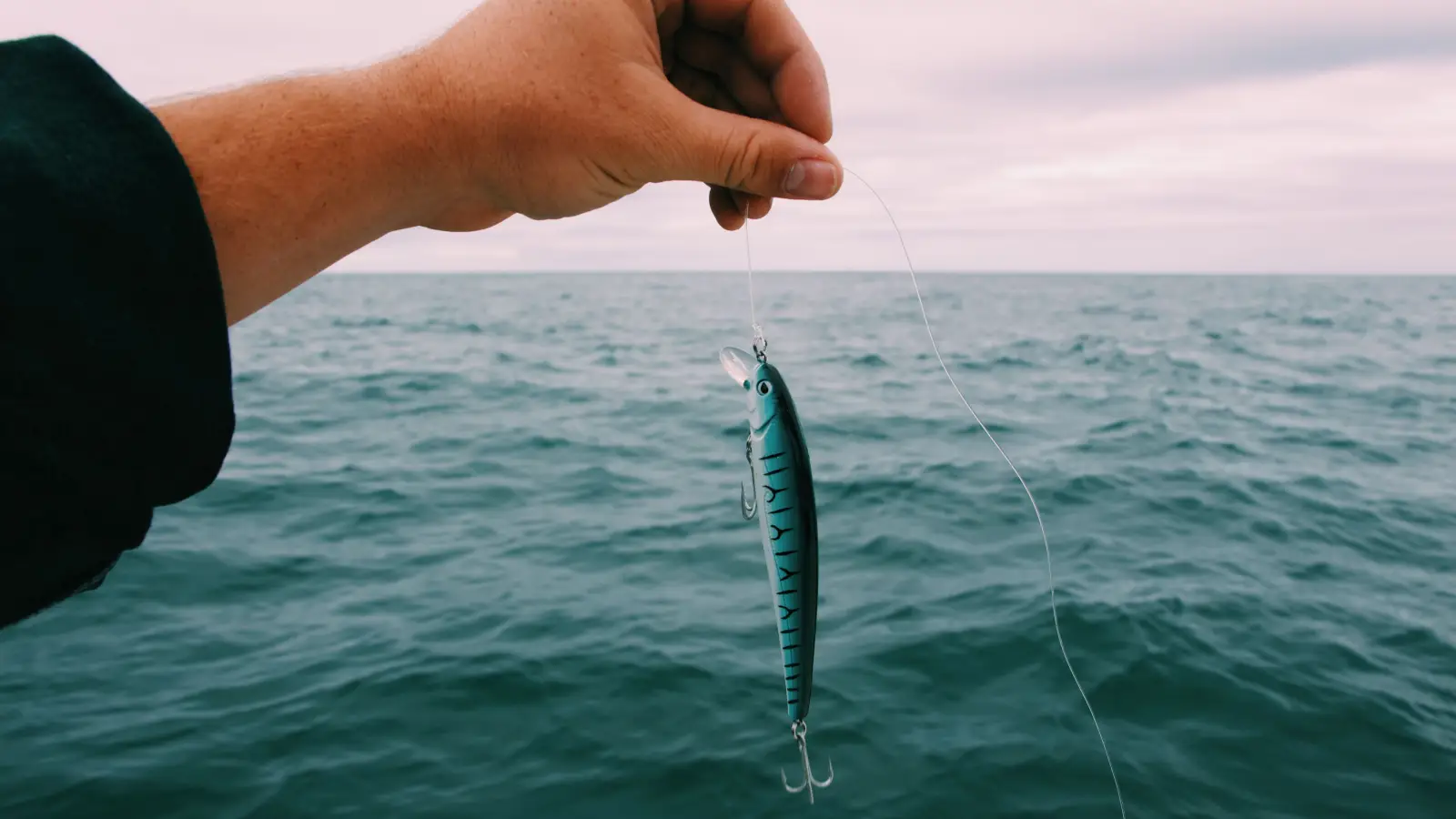
- Diving crankbaits or trolling spoons rated for the depths you’ll fish.
- Inline trolling weights or snap weights to reach deeper without oversized plugs.
- Planer boards (optional) to spread lines outward and cover more water.
- Line‑counter reels or a measured line system so you know how much line is out.
From Casting to Covering Water: A Step‑by‑Step Trolling Spread
Picking Diving Lures That Run Where Fish Are Holding
The fish finder screen tells you exactly where they’re at. If you see suspended arches at 15–20 feet, grab a diving plug rated for 12–18 feet—it puts your lure right in their kitchen. When fish are glued to the bottom in 30 feet of water, go deeper with a heavy crankbait or add an inline weight. Cold water calls for a tight, subtle wobble; warm fish often pounce on a wide, erratic action. The whole idea is to place the bait directly in their line of sight, just above or in front of them.
Boat Speed and Making Lures Swim Right
The rod tip is your best speedometer. A steady, rhythmic thump means the lure is swimming correctly. No movement? Bump the throttle. Jerking wildly or spinning to the surface? Ease back. Walleye and trout usually prefer the slower end around 1.5–2.2 mph; bass and pike will chase lures moving near 3 mph. Trust the rod tip—it never lies.
Deploying Multiple Lines Without Tangles
Start with two rods. Once you’re comfortable, add a third. Set them at staggered distances so they swim at different depths. Deploy the farthest line first, then work inward. Planer boards send a short line off to the side and keep things spread out. Wide, gentle turns are the secret—outside lines speed up, inside lines slow down, and everything stays orderly. Everyone tangles at some point; when it happens, stop, reset, and learn from it.
Using Sonar to Find Active Fish, Not Just Structure
Your fish finder is the crystal ball. Arches are individual fish. Dense clouds are bait balls—predators love them. A sharp, flat line at a steady depth is a thermocline where fish stack. Crank the sensitivity until you see fine detail without clutter. When you spot arch after arch hovering over a bait ball, that’s where you want to be. If the screen stays blank, don’t waste time—cruise to another depth or spot until you find life.
Adjusting Depth as Fish Marks Move
Fish marks move, so your lures should too. If arches appear at 30 feet but your plug runs at 15, let out more line or switch to a deeper runner. If fish rise, reel in or swap lures. A trick that works: while trolling, slowly drop line back until you feel bottom, then lift a couple feet. That keeps your bait right above the fish, in the zone where strikes happen. When sonar shows suspended fish, aim to put your lure at that exact depth.
When the Rod Goes Down – Reacting to a Strike
When the rod doubles over and line screams out, that’s the payoff. Grab it, keep the boat moving just enough to avoid slack, and fight the fish. Leave the other lines in—often a second rod gets hit right away. After landing, circle back through the area; schools of active fish tend to hang together, and you can pick off several on a single pass.
Signs Your Trolling Spread Is Working
- Rod tips bouncing with a steady, rhythmic thump.
- Sonar screen consistently showing arches and bait clouds.
- At least one strike within 20 to 30 minutes of working a zone.
- Lines running straight and clean, no tangles.
- Lures tracking at the same depth as the fish marks on your finder.
When Fish Refuse Your Trolling Spread
No fish marks on sonar. Move to a different depth or structure until you find bait or arches. Follow a contour line or troll across points and ledges if the water looks featureless.
Lures keep snagging bottom. You’re running too deep. Shorten the line or switch to a shallower‑diving lure. If you’re using inline weights, reduce the weight.
Lines twist and tangle on turns. Make wider, slower turns. In a tight spot, temporarily reel in the inside line.
Plenty of marks but no bites. Change lure color or action. A natural finish works well in clear water; a bright, noisy lure can draw strikes in stained water. Also try varying speed by half a mile per hour.
Common Trolling Questions Answered
What’s the best trolling speed for walleye vs bass?
Walleye tend to strike at 1.5 to 2.2 mph, while bass often chase lures at 2.5 to 3.5 mph. Cold water slows everything down—drop speed to the low end and use slow‑action lures.
Do I need downriggers to troll effectively?
Not for depths under about 25 feet. Diving plugs and inline weights cover that range. Downriggers become useful when fish are holding deeper than 30 feet, especially in clear water where they shy from a boat.
Can I troll from a kayak?
Yes, with two rods in rod holders, a compact fish finder, and a steady pedaling or paddling cadence. Speed of 1.5 to 2 mph is easy to maintain and works for many species.
How do I keep multiple lines from tangling?
Stagger lengths by at least 15 to 20 feet, use planer boards to separate them, and make wide turns. Deploy the outside line first and reel in inside lines before sharp turns.
With a simple trolling spread and a little trust in your sonar, blank trips become days you’ll remember. Once you’ve cracked the pattern, the next step is to experiment with colors and sizes—because every day, fish have a preference, and you’ll learn to read that too.