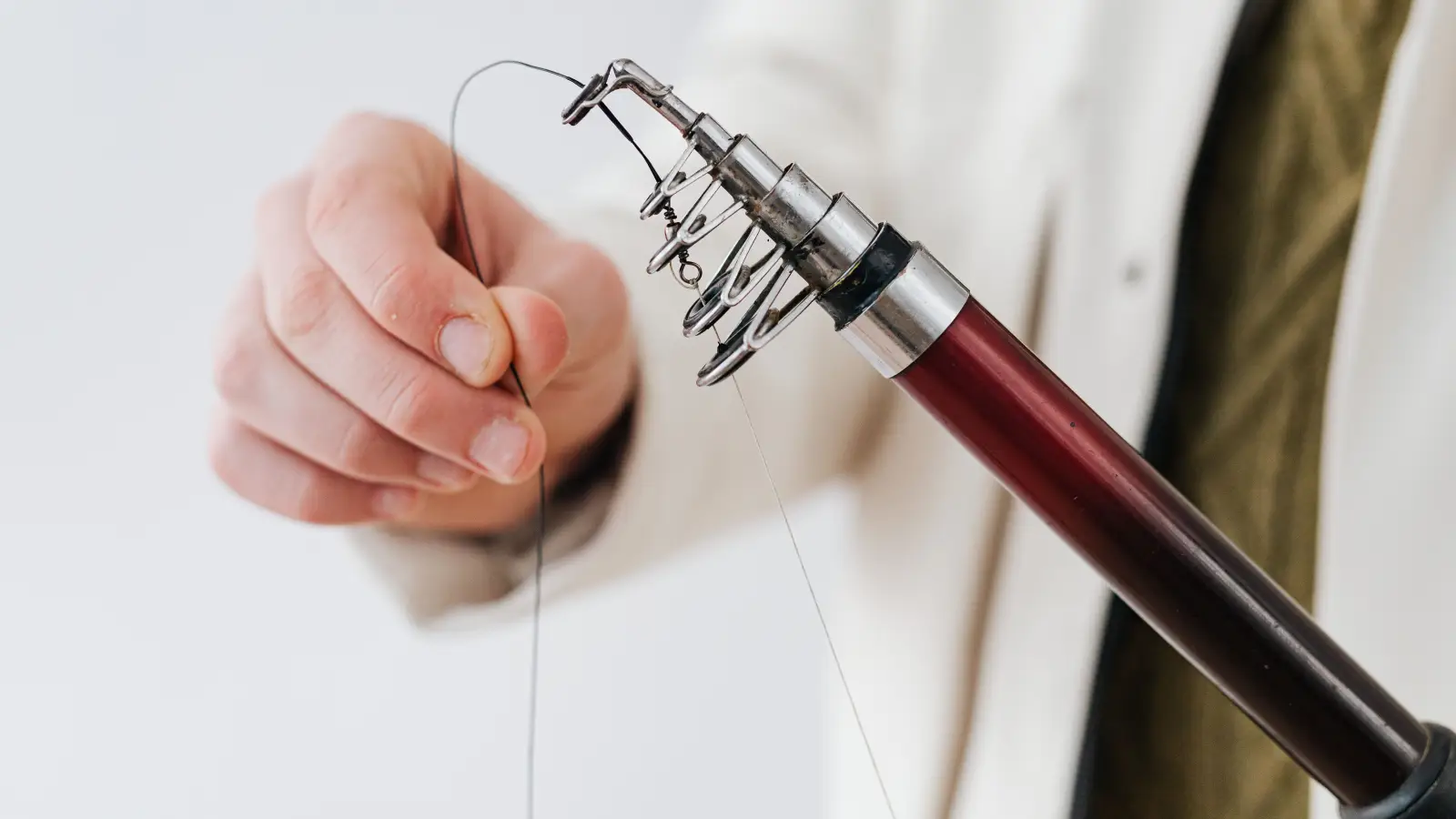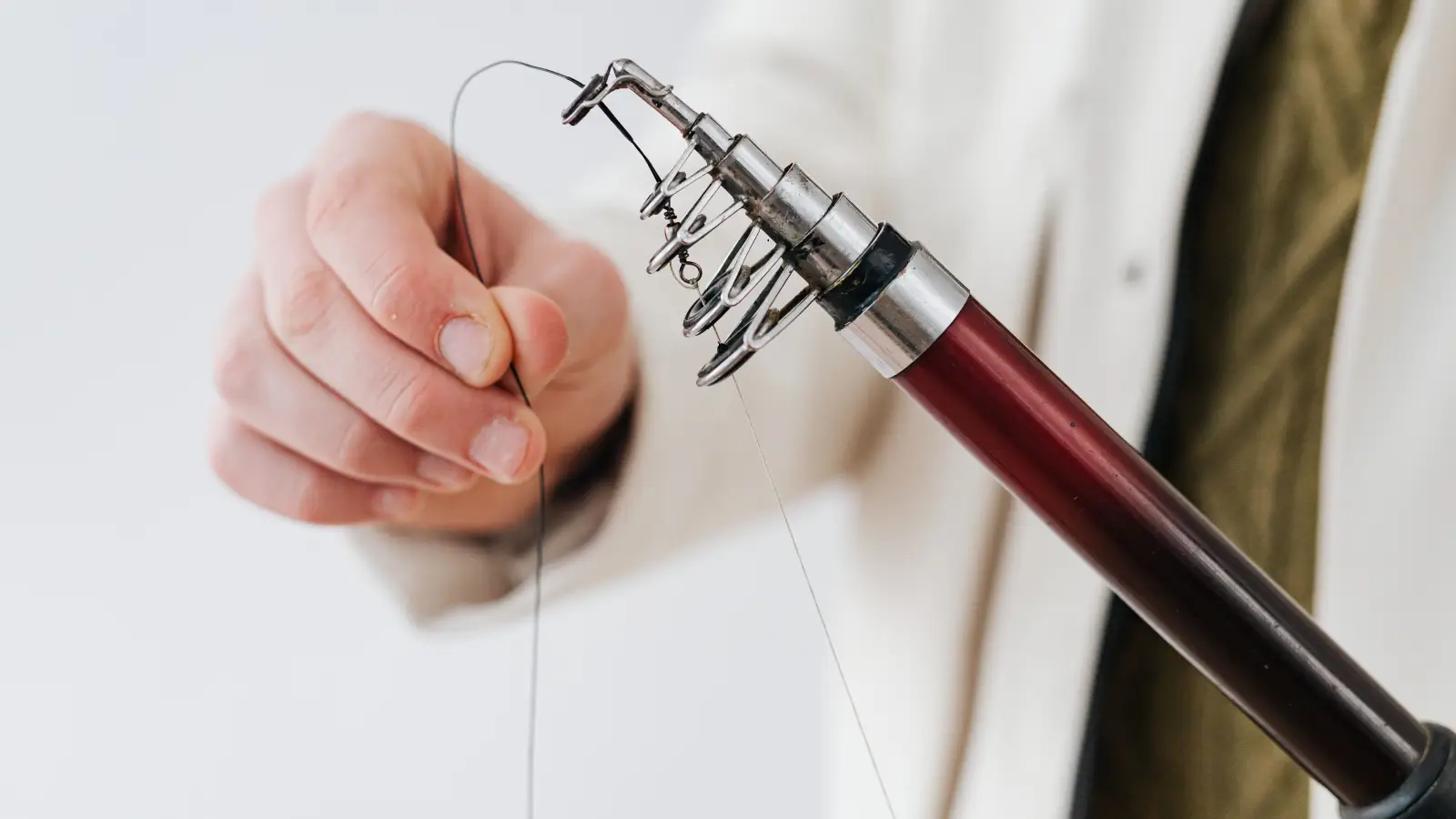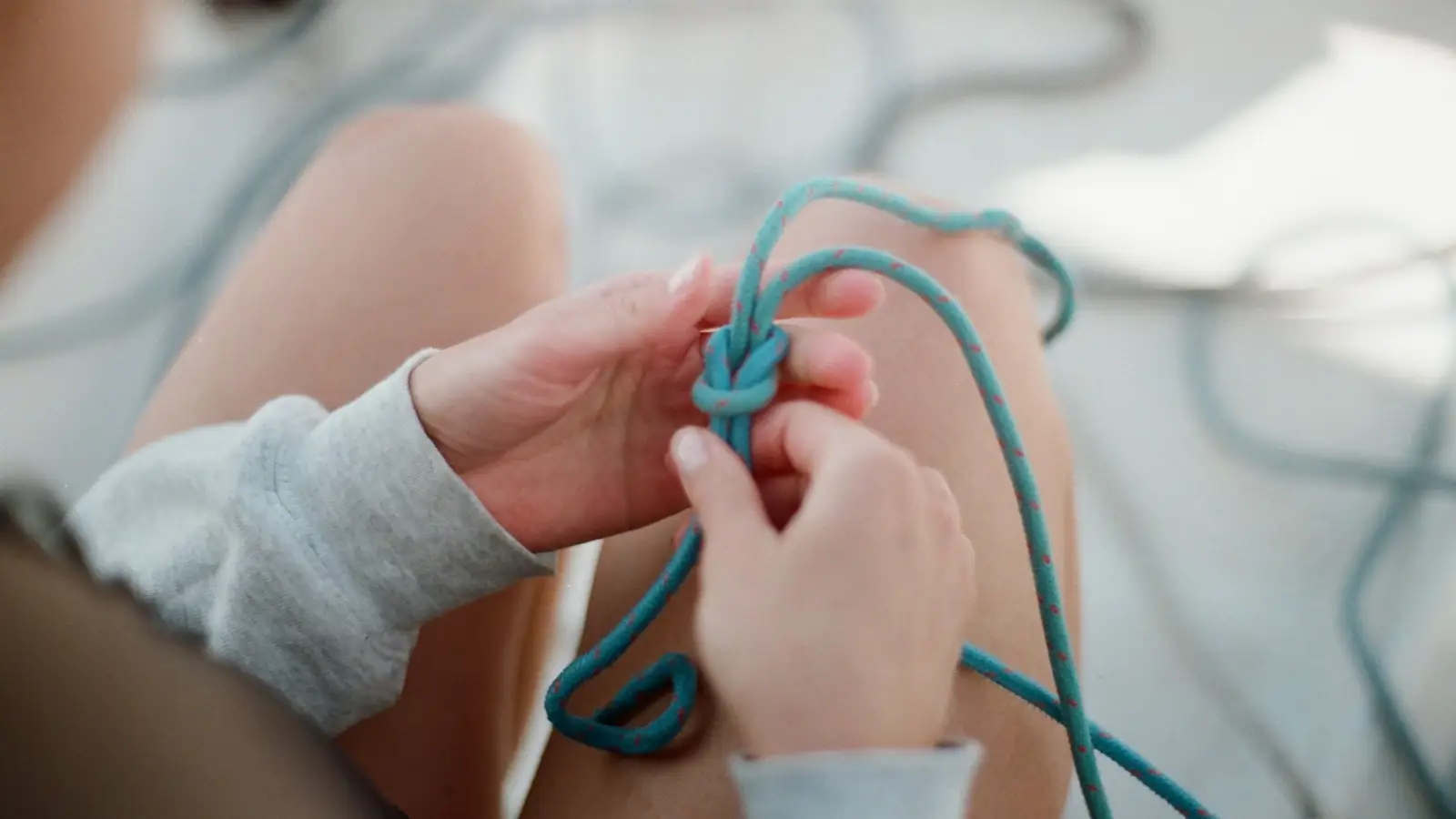
Braid knots fail for one reason: they slip before reaching any reasonable break point. The line is too slick, the diameter too small for generic knots designed for mono. The knot that holds is not a single name. It’s the one that matches your line diameter, your connection type, and the knot’s actual grip mechanics. Forget bait‑shop favorites. Use the table below and you’ll never strip down to a bare spool wondering what went wrong.
Quick Setup-to-Knot Table
| Your Fishing Situation | Recommended Knot | Why It Works |
|---|---|---|
| Light braid (6–20 lb) to fluorocarbon leader | FG Knot | Nearly 100% strength, slim profile clears guides, no loop to cut the line |
| Medium braid (20–50 lb) to monofilament or fluoro leader | Alberto Knot | Strong, far easier to tie than FG, handles diameter differences well |
| Heavy braid (50+ lb) straight to large lures (swimbaits, topwaters) | San Diego Jam | Grips thick, slick braid without slipping, stays tight under impact |
| Direct-to-lure with light–medium braid | Palomar Knot | Simple, extremely high strength, almost impossible to tie incorrectly |
| Any emergency connection when time matters most | Uni Knot | Versatile across all materials and diameters; one knot for everything |
Light Braid to Fluorocarbon Leader: The Thin-Line Connection
When the setup is light braid—10‑ or 15‑pound—tied to a fluorocarbon leader, the knot that holds is the FG. It works not by pinching a loop but by wrapping the braid around the leader so tightly that friction alone does the job. This is the only knot that spreads the load across the entire leader surface. No sharp bend, no high‑stress point where the braid cuts itself.
Anglers who chase that tick‑free glide through rod guides know what happens with a loop knot here: the knot bounces, casts shorten, and over time the line digs a groove into the guide insert. The FG is thin enough to disappear on the retrieve. Its strength test numbers are not “good.” They are effectively the full breaking strength of the line.
The hard part: an FG tied poorly is worse than no knot. It will slip at hand pressure, let alone a fighting fish. It requires a steady, practiced sequence of tight wraps and a finishing half‑hitch that bites. Cold hands, a windy boat deck, no practice—skip it. For every angler who bothers to master it, it’s the end of the conversation.
Heavy Braid to Big Lures: Grip Over Everything
Heavy braid—50‑pound and thicker—does not fail because it’s weak. It fails because it’s slick, and when you throw a heavy swimbait or topwater, the knot sees repeated shock loads that work it loose. The wrong knot slips a millimeter at a time until the lure sails off.
In this scenario, the San Diego Jam beats everything else. It wraps the line through the lure eye multiple times, then back down the standing line in a tight barrel. The result is a knot that grips the braid from the inside out. Palomar with heavy braid? The doubled line is too stiff to cinch fully, and the loop can actually cut the standing line. Uni? Decent, but not as tight under impact.
Yes, the San Diego Jam is a bit bulky. On a 6‑inch swimbait no one cares. The real cost is time—it takes a few more seconds to tie correctly. The trade is simple: spend the seconds now or lose the fish later.
The One-Knot Solution: When Speed and Versatility Win
There’s a moment on the water when the only goal is a bait in the strike zone, right now. For that, the Uni knot stands alone. Tie it to a hook or swivel and it delivers 80–90% breaking strength. Double Uni to connect braid to leader: it’s not elegant, but it’s reliable enough to land bass, redfish, and pike all day.
What you sacrifice is peak performance. As a braid‑to‑leader connection, the double Uni is bulky and will catch on microguides. In heavy line diameters, it can slip before the San Diego Jam would. But when the alternative is staring at a tangled leader with no backup plan, the Uni gets you fishing again in two minutes. That’s worth more than a theoretical 5% strength advantage.
The Things You Can Stop Worrying About
Stop agonizing over a few percentage points of breaking strength. Once a knot is tied correctly for its intended use, the difference between the very best and the very good is typically under 5%. A tiny nick in the line from a shell or a bad backswing costs more strength than that.
Also, with light braid (under 20‑pound), any of the direct‑to‑lure knots here will hold—Palomar, Uni, even a San Diego Jam in a pinch. The knot structure only becomes the deciding factor when you add a leader, a thick diameter, or a shock‑heavy retrieve. Obsessing over tables when you’re tying 10‑pound braid to a panfish jig is wasted mental energy.
Hard Limits: When a Knot Just Won’t Work
Every knot has a condition that rules it out instantly.
- FG Knot: Worthless without consistent tying. One loose wrap and the entire knot will slip. It also cannot handle leaders above roughly 80‑pound test—the braid can’t compress the heavy material enough to lock.
- Alberto Knot: Slippery with very thin fluorocarbon (under 10‑pound) if the diameter difference is too great. The wraps lose bite.
- San Diego Jam: Hard to untie after a heavy fight; overkill for finesse setups where the extra bulk is a pure nuisance.
- Palomar Knot: Kills itself on thick fluorocarbon leaders. The doubled line cannot cinch evenly and the loop will cut the standing line under load. This is a direct‑terminal knot, period.
- Uni Knot: In a double‑Uni connection, the knot is too fat for ultralight rods with micro guides. It can crack a guide insert on a hard cast.
Frequently Asked Questions
What is the strongest knot for braid to fluorocarbon?
The FG knot. It preserves nearly 100% strength and is the thinnest option. The Alberto is close and much easier, so choose based on your willingness to practice.
Can I use the Palomar knot for everything with braid?
No. Palomar works only for direct connections to a lure, hook, or swivel. Trying to use it for a braid‑to‑leader knot will cause immediate slipping.
Why does my braid knot slip even when it looks tight?
It wasn’t fully cinched. Braid knots must be tightened slowly with lubrication. A dry, fast pull traps air inside and leaves the knot ready to fail.
Is there a knot that won’t slip on any braid?
No single knot is universal, but matching knot structure to your line diameter and connection type eliminates the problem. The table above is the shortcut.
For the most common situation—anglers tying light braid to a fluorocarbon leader—the FG knot wins if you can tie it under any conditions. The only question that matters: are you willing to practice a knot that demands precision, or do you need the one you can tie blind?