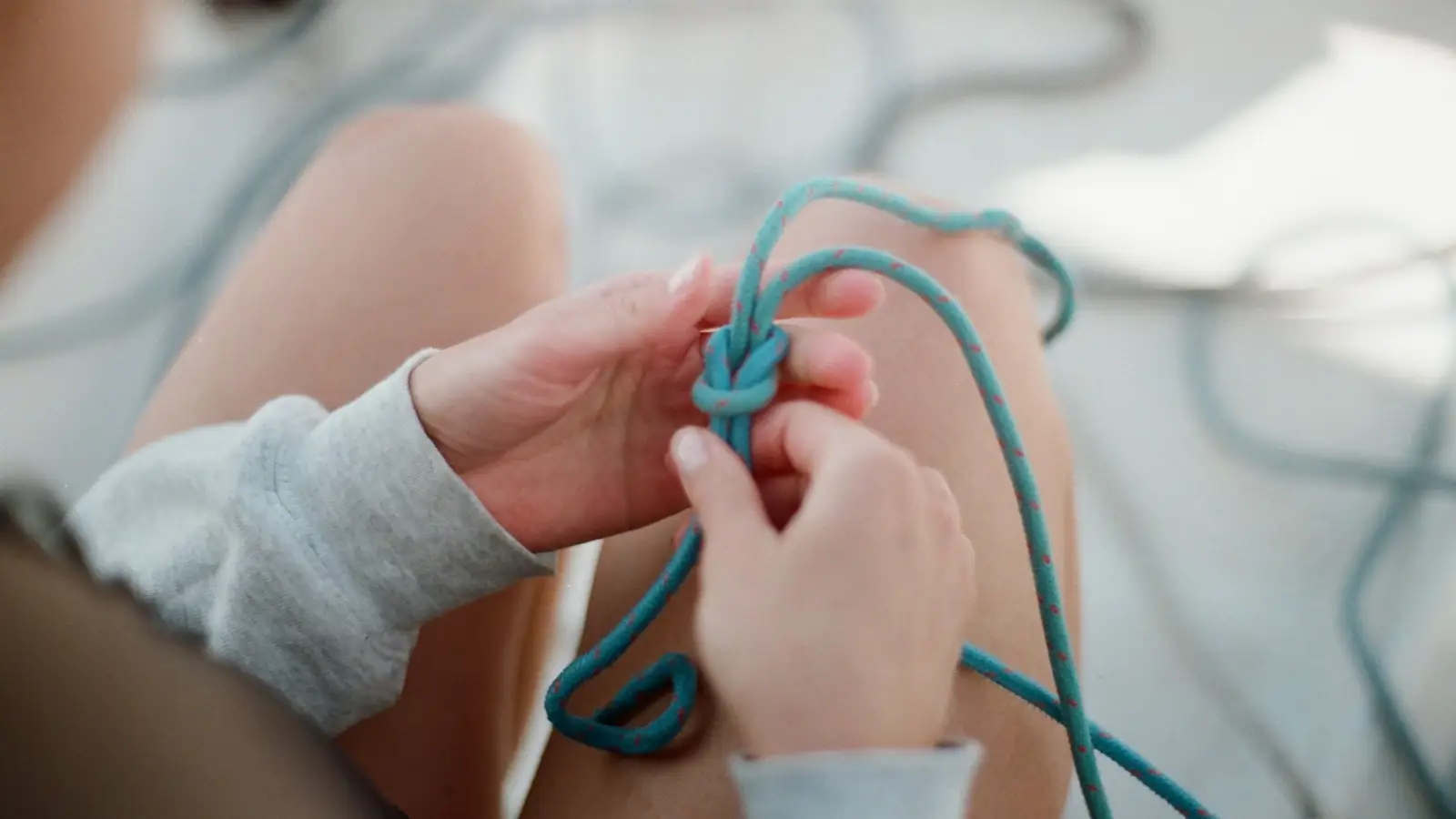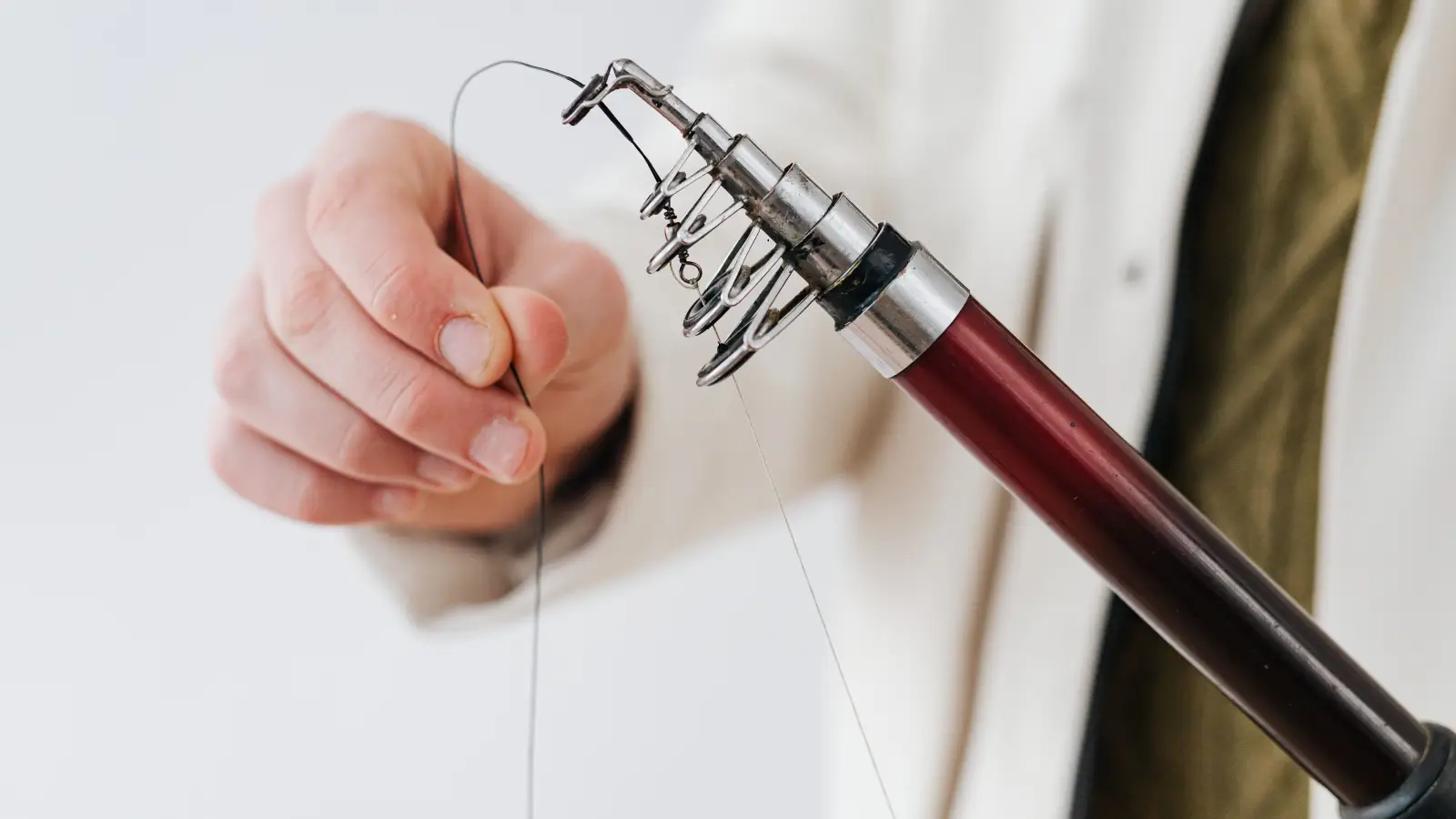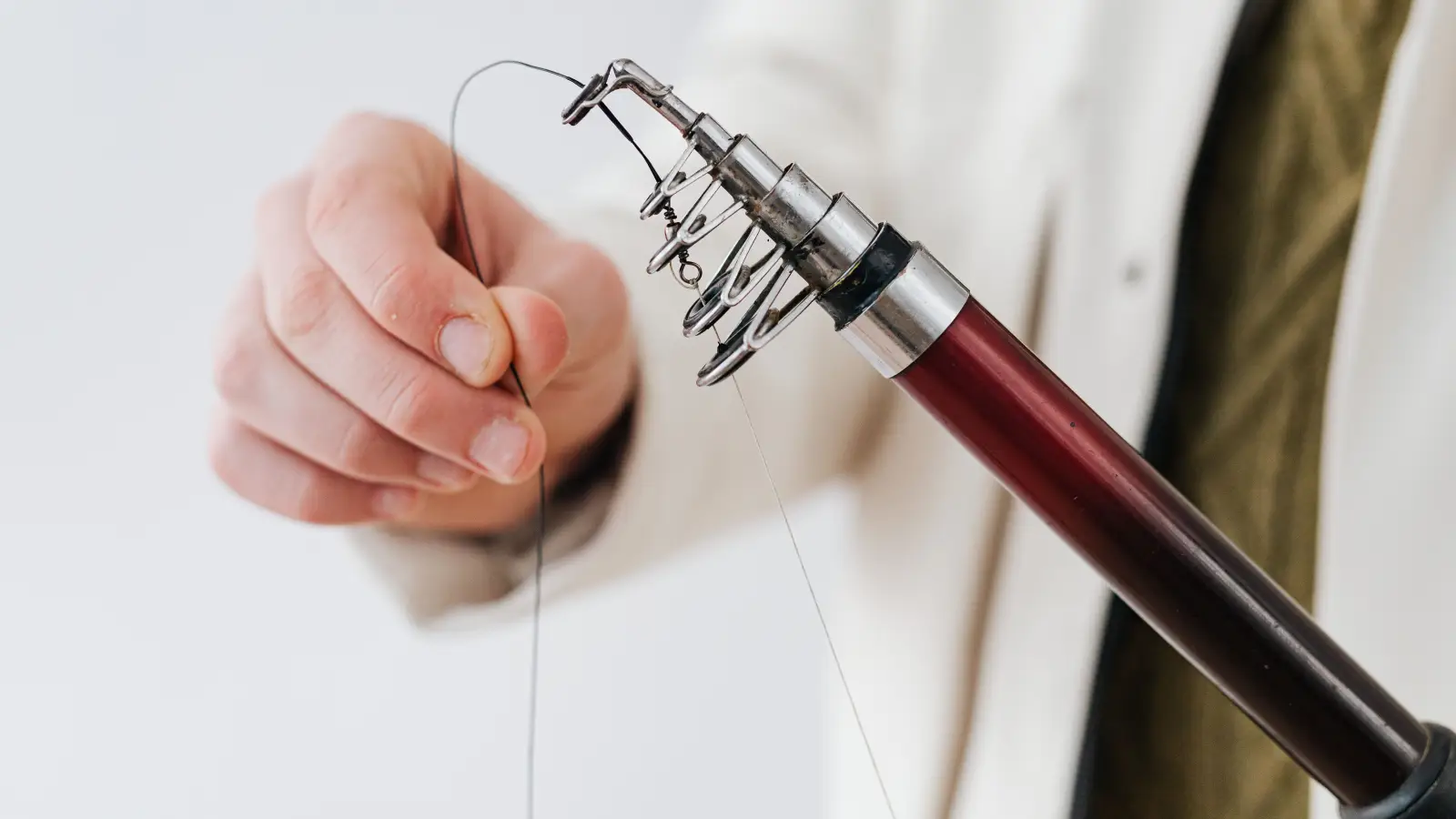
A knot’s failure on a hookset is rarely a knot problem—it’s a mismatch problem. The FG, Alberto, and Double Uni each balance three factors differently: through-guide profile, shock-load strength, and tying reliability under field conditions. The knot that won’t pop is the one whose balance matches the cast and the set the angler will actually make. For braid-to-fluoro, that means the right choice shifts between surfcasting a hundred yards and flipping a dock six feet away.
The comparison below isn’t a ranking of static breaking strains. It’s a stress test of that hidden trade-off: how knot profile affects casting smoothness, and how ease of tying determines whether the knot ever gets formed correctly in the first place. The winner changes with the fishing, not the workshop.
At a Glance: Which Knot Matches Your Fishing
| Scenario | Winner | Why |
|---|---|---|
| Surfcasting long distances with violent hooksets | FG Knot | Thinnest profile passes guides cleanly; highest shock strength |
| Flipping docks, pitching short into heavy cover | Alberto Knot | Fast to tie, strong enough for moderate hooksets, slim enough for short casts |
| Quick tie in the dark or when you can’t practice knot craft | Double Uni | Simplest to tie, reliable if you accept the bulk and guide clatter |
When the Cast Traverses Sixty Yards or More
At distance, casting energy bleeds through every bump a knot makes against the guides. The FG knot’s slender, wrapped build is nearly flush with the line diameter—its profile through ceramics is less an obstacle and more a continuation of the leader itself. That matters because each strike of a bulky knot against a guide insert robs line speed and, over time, can micro-fracture the insert. For surfcasters reaching barrier bars, the FG often preserves enough energy to add yards that decide whether a plug lands in the strike zone.
The hookset at range adds shock. Line stretch across 80 yards is minimal, and the rod must transmit force instantly. A knot that holds 95–100% of the line’s rated breaking strain under that impulse is the difference between a connected fish and a clean break. The FG’s construction distributes shock into the wraps rather than concentrating it at a single crunch point.
The cost: execution. Tying an FG in wind and blowing sand isn’t a minor inconvenience—it’s a task that introduces inconsistencies even in practiced hands. Anglers who treat FG leaders as pre-trip assembly work, not on-the-water repairs, extract the full benefit. Those who try to tie it once a fish breaks them off usually produce a knot that slips or snaps.
The Alberto exists in this scenario’s middle ground. Its body is roughly 2–3 times the leader diameter, so it will reduce casting distance compared to an FG, but it won’t clunk through guides like a Double Uni. For surfcasters who need a faster, less technique-dependent tie and aren’t fighting for the outermost bar, that’s an acceptable compromise. The Double Uni simply costs too much distance here to justify its simplicity.
When the Target Is Under the Dock You’re Standing On
Flipping and pitching operate inside 30 feet. Casting friction is negligible, and the hookset loads the knot differently—more leverage, less stretch-assisted shock. The Alberto knot aligns with the conditions: it forms quickly, even with wet fingers, and its strength envelope (85–95% of rated breaking strain) handles the close-quarters burst without failing. In a day of flipping where leaders get frayed on pilings, the speed of retying directly affects how many casts go into the zone.
The FG’s slimness is wasted here. Large flipping-stick guides won’t notice a slightly thicker knot, and the time spent tying an FG is time a bait could be in the water. The Double Uni works, but its bulk creates audible ticks through the rod tip that are more annoyance than performance risk.
Choosing the Alberto means accepting a small drop in ultimate strength and a profile that isn’t invisible if the rod gets swapped into a finesse spinning setup. For the job it’s asked to do—close-range power—those sacrifices are nearly irrelevant.
Where the Differences Aren’t Wide Enough to Matter
A few comparisons don’t deserve the weight anglers give them.
- Static pull strength on lines under 15-pound test: When properly lubed and cinched, all three knots exceed 80% of line rating. The variation is smaller than the effect of a single poorly-seated wrap.
- Slow, steady pressure tolerance: If a knot is correctly formed, none of the three breaks under a gradual load. Failures arrive through impact or repeated shock, not a smooth tug.
- Survival over a day of average fish: Barring abrasive leader damage, a competent FG, Alberto, or Double Uni endures dozens of normal hooksets. The weak point shifts to the leader’s nicks, not the knot’s design.
When a Knot Is Immediately the Wrong Tool
- Micro guide rods: The Double Uni’s doubled tag creates an obstruction too large for many small-ring inserts. It jams, frays, and can snap mid-cast, rejecting it outright.
- Situations demanding a leader change every few minutes: The FG’s tying sequence is 3–5 minutes of deliberate steps. An angler hopping spots can’t afford that. The FG is disqualified.
- Inconsistent cinching of FG wraps: If the braid doesn’t bite consistently—if the technique isn’t fully ingrained—the FG is more likely to slip under load than an imperfect Alberto or Double Uni. A realistic self-assessment rules it out faster than any line-test data.
- Total darkness without a headlamp: Tying a Double Uni is a blind tactile sequence many anglers can perform by feel. The FG requires visual line management; the Alberto sometimes does, depending on the lighting. In pure dark, the Double Uni is the only option that avoids a break-off at the tying stage.
Knot Questions Anglers Ask Before a Trip
Which braid-to-fluoro knot is strongest?
In controlled pull tests, the FG knot typically holds 95–100% of the line’s rated breaking strain, making it the highest-strength option among the three. The Alberto reliably falls in the 85–95% range, and the Double Uni in 75–90%. Strength, however, is a workshop number; on the water, a knot’s ability to survive the cast is equally important.
Can the Alberto knot handle saltwater gamefish?
Yes. It performs well in surf and inshore scenarios with leader material up to approximately 30-pound fluorocarbon. Above that, the harder leader surface can resist the wraps’ bite, and many anglers transition to a variant of the FG or a well-seated Albright. For striped bass, redfish, and schoolie tuna, the Alberto is adequate.
Does the Double Uni slip when braid is the main line?
It can. Slick braids often prevent the wraps from locking completely. The antidote is more turns (8–10 on the braid side) and thorough lubrication before cinching. Even then, under sudden shock, the Double Uni slips more frequently than the FG or Alberto.
What’s the most common Alberto knot failure point?
Incorrect line overlap during the initial loop—specifically, passing through in the wrong direction so the coils don’t stack in a straight, compressed line. The resulting lump concentrates stress. The fix is to watch the formation and cinch slowly so the coils settle evenly.
The FG knot remains the strongest performer under extreme hookset shock and long casts, making it the default for surfcasting when tying skill is present. The single pragmatic question is not “which knot is strongest?” but “which knot can I reproduce exactly right, under time pressure, in the actual conditions I fish?” The answer to that question is the knot that won’t pop.