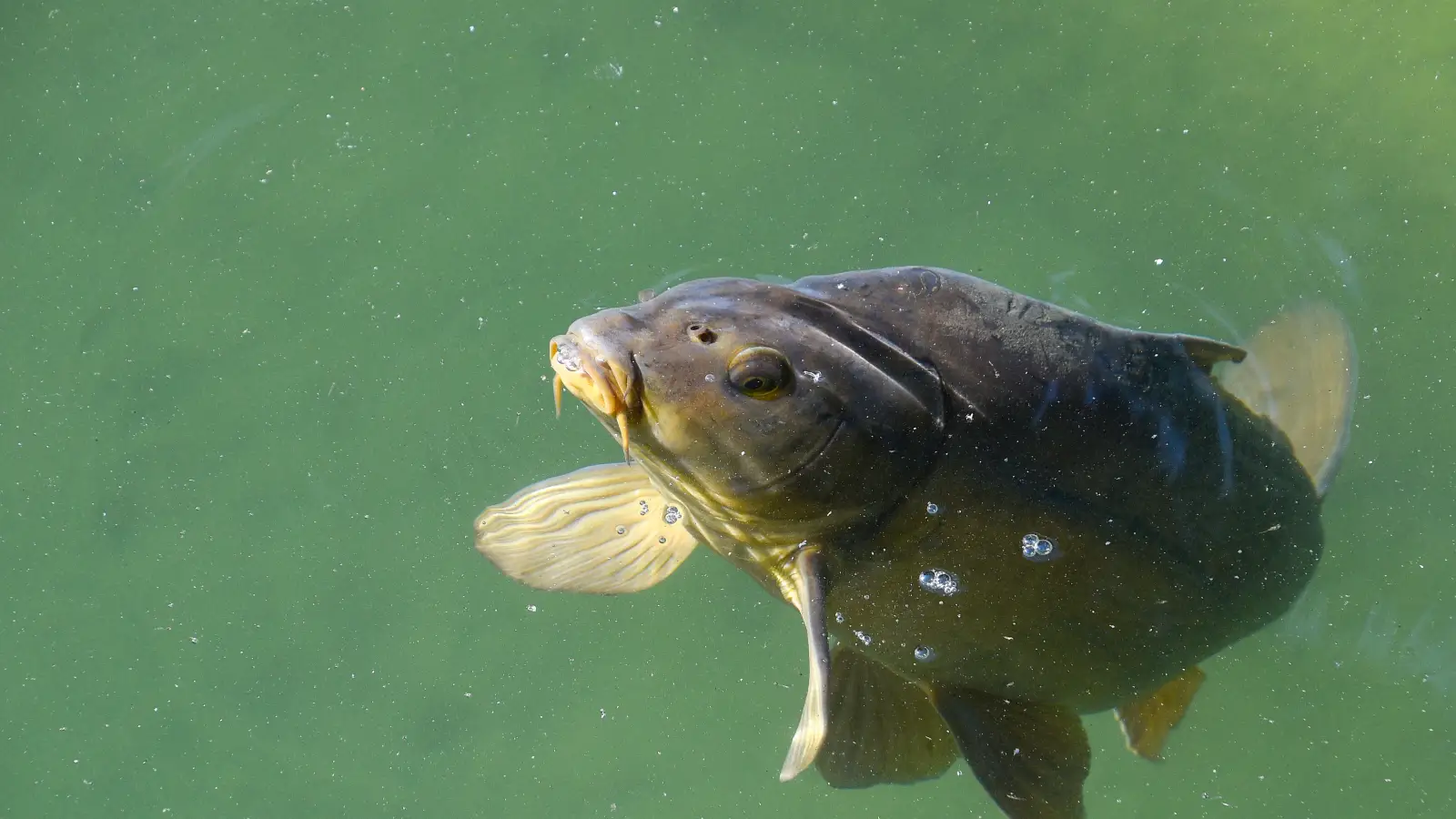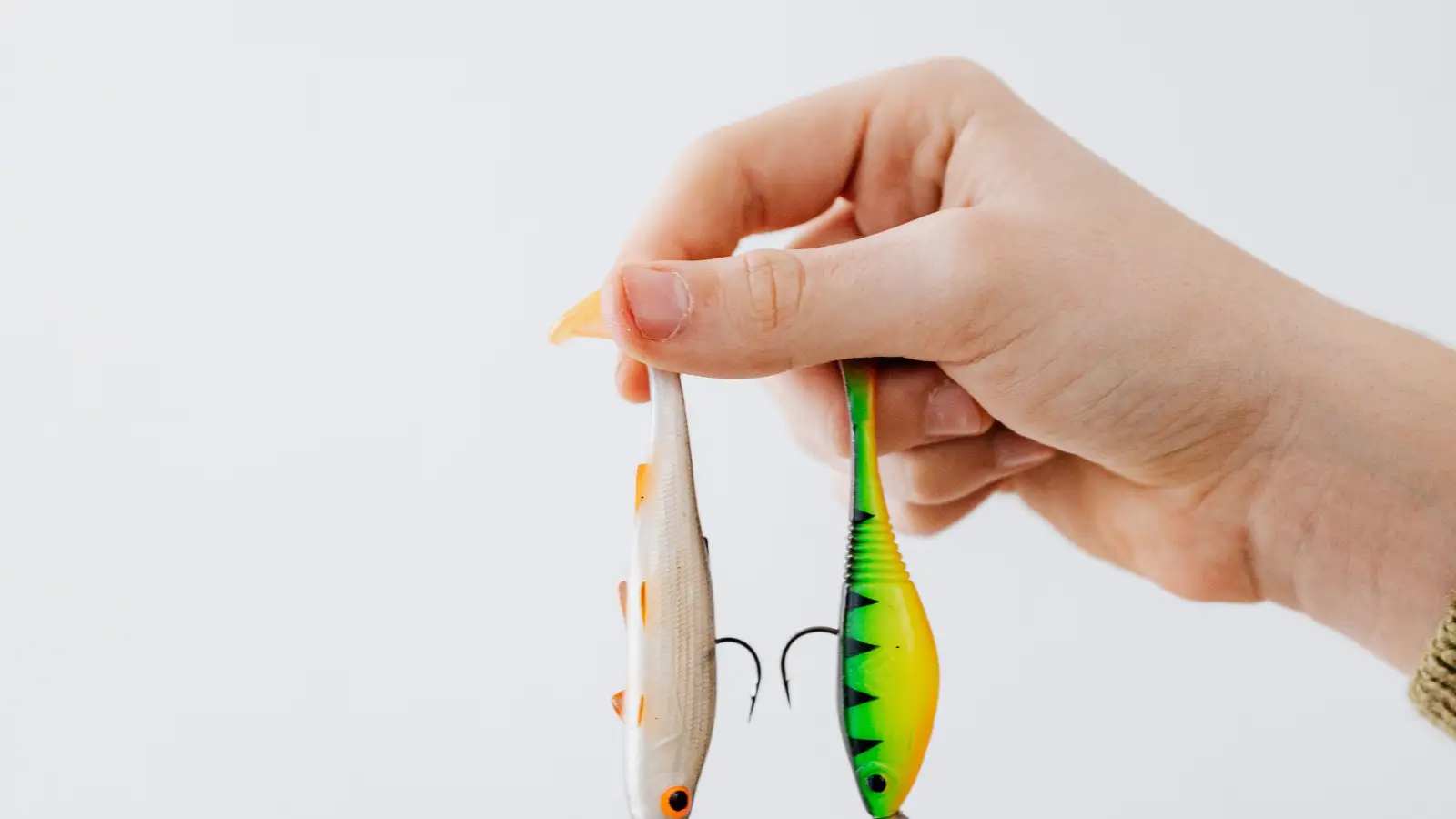
When bluegill are the main course, the right lure length usually sits between 3 and 4 inches—the average size bass actually eat, not the biggest panfish someone can find. But length alone isn’t the real key; the body shape matters more. A tall, flat-sided profile that copies a bluegill’s compressed outline gets hit far more often than a slim minnow bait, even one with the right number of inches. The trick is learning to read what’s in the lake, then matching it.
What a Correctly Matched Lure Looks Like on the Water
A 3.5-inch squarebill with deep slab sides and a wide, rolling wobble—that’s what a well-matched lure looks like. When it swims over a flat full of 4-inch bluegill, bass eat it because it presents the same egg-shaped silhouette they’ve been seeing all morning. The result isn’t from guessing; it’s from observing the forage’s true size and shape.
The Bluegill-Forage Lure Selection Checklist
- Sample a few bluegill from the area you fish and measure their total length (average).
- Visually gauge the body depth relative to length—look for a depth that is roughly half the fish’s length or more.
- Note the shape details: high forehead hump, large eye, forked tail.
- Select a hard bait (crankbait, jerkbait, or swimbait) that matches the average length within ½ inch.
- Choose a bait with a tall, laterally compressed profile—flat sides, wide body—that mimics the bluegill’s silhouette.
- When fish show interest but won’t commit, try a profile slightly larger or smaller to provoke a reaction.
Breaking Down What You Need to See on the Water
Measure the Common Bluegill Length, Not the Record
How to do it: Catch or closely observe a handful of bluegill exactly where you plan to fish. Use a tiny piece of worm or bread on a barbless hook to land three to five fish quickly. Measure total length from nose to tail tip. In many waters where bluegill drive the bass diet, bass focus on the 3- to 4-inch size class, even if bigger panfish exist.
Time: 10–15 minutes.
Common mistake: Picking out the largest bluegill and using that as the guide. Bass often ignore the biggest individuals and feed on whichever size is most common. Match the abundant, not the outliers.
Read the Body Depth: A Tall Shape vs. a Lean One
How to do it: While a bluegill is in hand, hold it sideways and notice how tall it looks compared to its length. Bluegill are deep-bodied, often close to half their length in depth. If the fish appears almost as tall as it is long (minus the tail fin), it’s a tall-profile forage. A fish that looks longer and leaner—common in stunted ponds or large reservoirs—calls for a slimmer lure profile.
Time: A few seconds per fish during the sampling.
Common mistake: Assuming every bluegill is thick and slab-sided. Overcrowded lakes or late-summer conditions can produce flatter, more football-shaped fish. The lure must mirror what’s actually swimming, not a textbook image.
Notice the Little Things: Forehead Hump, Big Eye, Forked Tail
How to do it: Look at the actual fish—the steep forehead, the large eye set high, the forked tail. Those shapes aren’t just decoration; they’re what a bass’s prey-recognition system keys on. A crankbait with a high, rounded back that suggests that hump can draw strikes even when color is slightly off.
Time: A minute or two of observation per fish.
Common mistake: Stopping at length and ignoring shape details entirely. Two lures of the same length—a slim stickbait and a wide-bodied crankbait—produce completely different reactions. The shape tells the story.
Set Lure Length by What You Caught, Not a Rule
How to do it: Take the average length from the sample and pick a hard bait within a half inch of that number. If the average is 3.2 inches, a 3-inch or 3.5-inch lure matches. Resist the urge to go bigger just because it “looks right for big bass.” An oversized bait often gets ignored when bluegill are the primary food.
Time: Almost none, once the measurement is in hand.
Common mistake: Thinking all lakes serve up the same bluegill size. A weedy farm pond might hold 2.5-inch fish; a clear highland reservoir might grow them to 4.5 inches. Let the water dictate the number, not a chart from a magazine.
Choose a Bait with Flat Sides and a Wide Wobble
How to do it: Search the tackle box for crankbaits, jerkbaits, or paddletail swimbaits with slab sides and a broad belly. The classic squarebill with a wide body and a slow, rolling wobble is hard to beat. The key angle is from below: a bass looking up sees a tall, wide outline. Round-bodied minnow imitations, even the right length, don’t flash that same signal.
Time: A couple of minutes comparing lures.
Common mistake: Choosing a lure by color or diving depth first. Profile always comes first. Color and running depth fine-tune a presentation that is already shape-right.
Bump the Profile Up or Down When Bass Are Picky
How to do it: When bass follow but won’t strike, swap to a lure about a quarter-inch longer or shorter, and slightly taller or shorter in body depth. A bulkier profile sometimes triggers a reaction strike; other times, a smaller, subtler offering seals the deal.
Time: Two to three minutes to switch and test.
Common mistake: Staying locked on one exact size and profile all morning. Fish moods shift; a small profile tweak often flips a looker into a biter.
Before You Cast: A Quick Profile Check
- Lure length is within ½ inch of the average bluegill length sampled.
- Body depth measures at least 40% of the lure’s length.
- The lure has visible flat or slab sides, not just a rounded belly.
- The retrieve speed and action showcase the wide, rolling wobble that shows off that profile.
Checking all four means the presentation is dialed in far beyond a simple color match.
Quick Sheet: Bluegill Profile Cheat Sheet
| Water Type | Typical Bluegill Size | Recommended Lure Length | Ideal Profile Traits |
|---|---|---|---|
| Small farm pond (stunted) | 2–3 inches | 2–2.5 inches | Very tall, deep, short body; wide wobble |
| Typical lake | 3–4 inches | 3–3.5 inches | Flat-sided, moderate depth; wide rolling action |
| Large reservoir (high growth) | 4–5 inches | 3.5–4.5 inches | Broader, still compressed but longer profile; moderate wobble |
Frequently Asked Questions About Bluegill Lure Profile
Does color matter as much as profile?
Profile is what gets the strike. Color can help, but if the shape is wrong, a bass usually won’t commit. Get the profile right first, then tweak the hue.
What if my lake has a mix of bluegill sizes?
Pay attention to which size bass are chasing. If small 2-inch juveniles are schooling and getting busted, match that size. If larger 4-inch adults are the target, match those. Let the visible feeding tell you.
How do I know if bass are feeding on bluegill or shad?
Bluegill show a deep, rounded chunk when they turn sideways; shad look like thin silver streaks. Watch the bait schools: a tall flash means panfish, a slim streak means shad. Some areas hold both, so observe where the strikes happen.
Can I use soft plastic lures for the same profile approach?
Yes. A paddletail swimbait on a jighead with a wide, compressed body, or a creature bait worked with hops that push that tall silhouette, can be deadly. Match the length and keep the profile deep and slab-sided.
Why does a wide wobble work better with a tall lure?
A tall, flat-sided bait displaces water in a rolling motion that alternates the silhouette from broad to narrow—just like a real bluegill swaying through the water. That triggers both the lateral line and the eyes at the same time.
Conclusion: Dialing In What Really Works
When the lure matches the actual bluegill shape you’ve seen with your own eyes, the strikes come. The fastest shortcut for the next trip: hand-sample a bluegill right where you’re about to fish, using a small barbless hook and a bit of bread. That fish, held in your palm, instantly shows you what length and profile to tie on. Cut out the guesswork and let the water tell you what to throw.