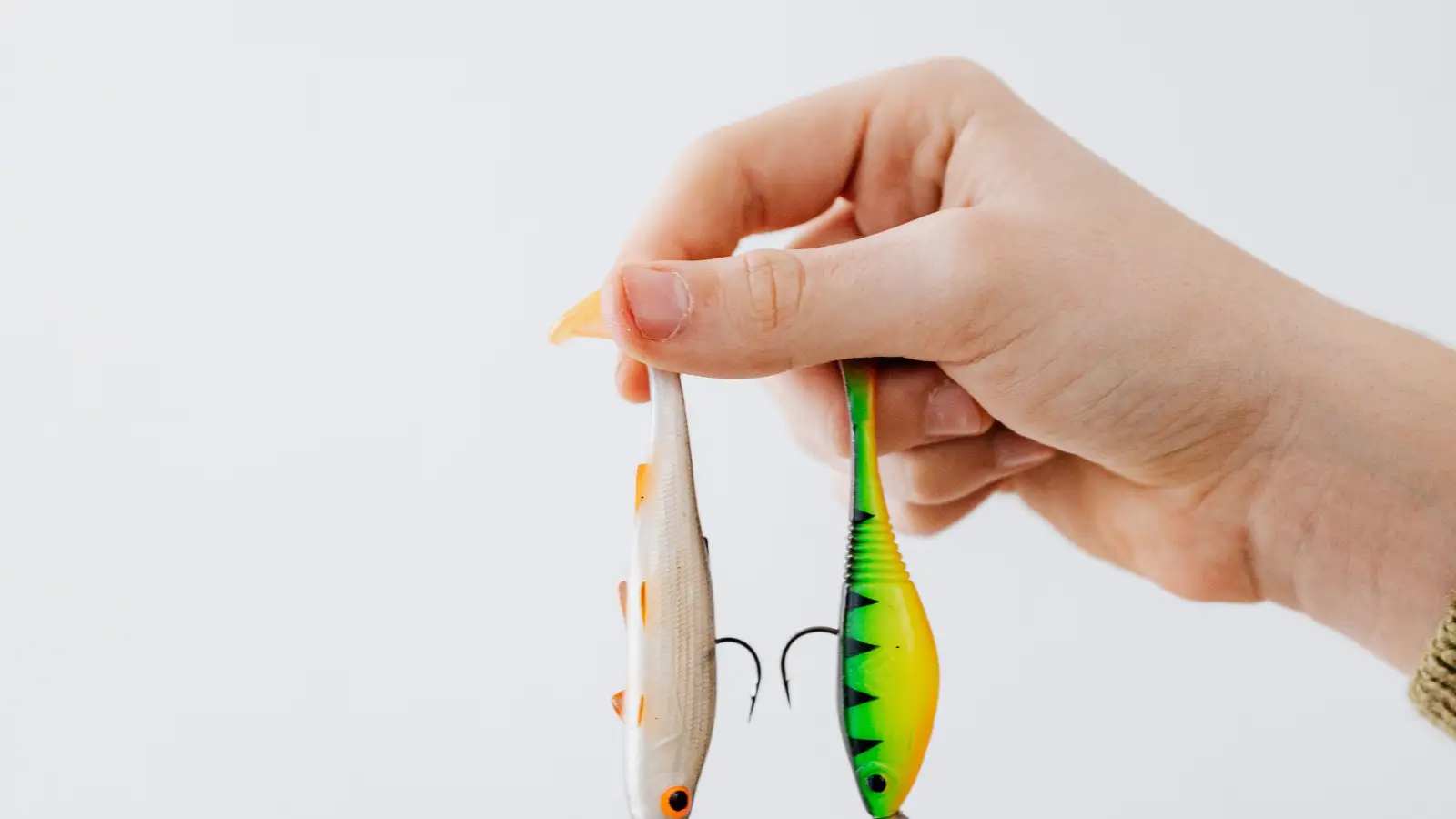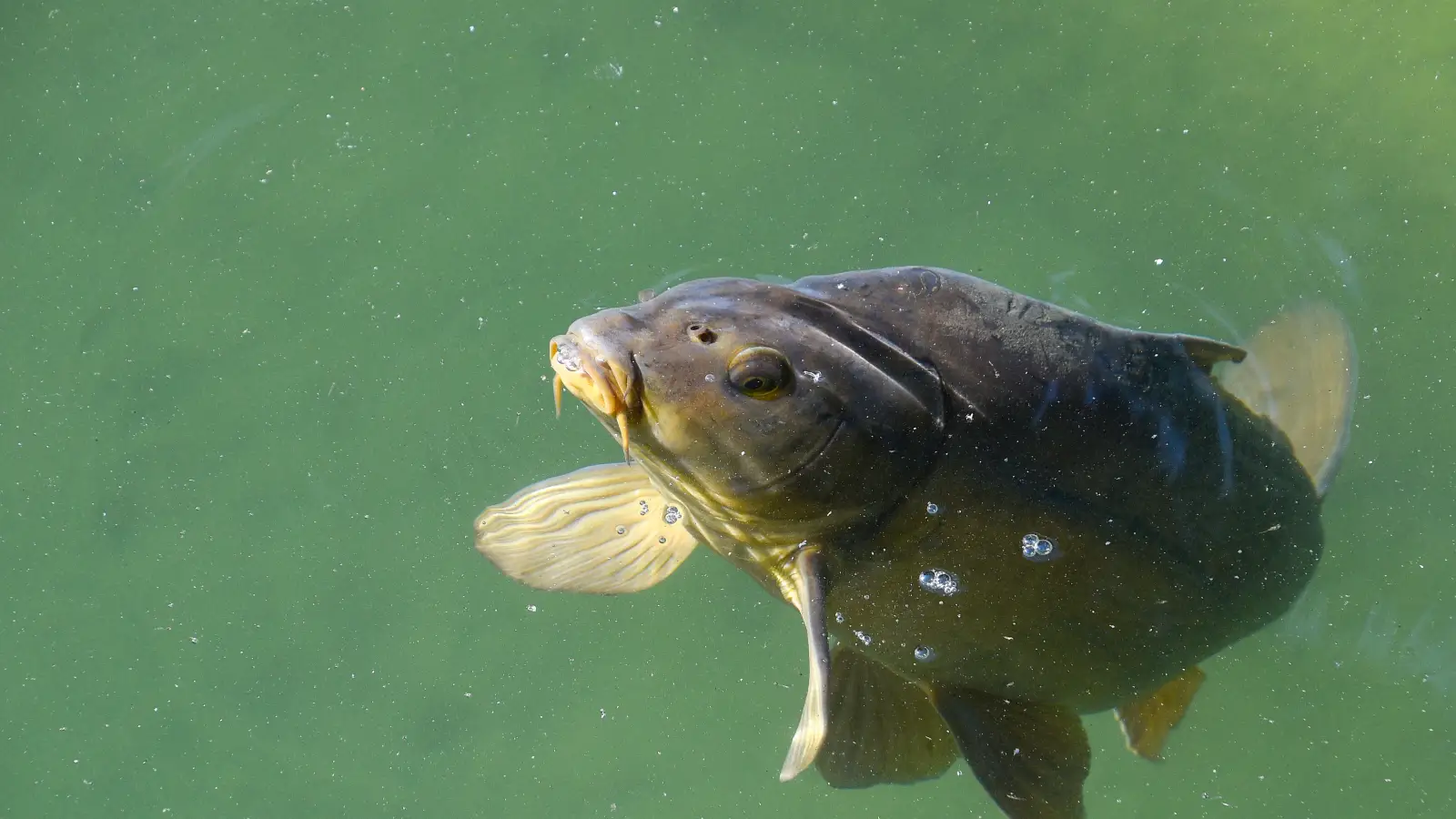
You followed the script: sunny morning, crystal water, you reached for the most obnoxious chartreuse crankbait in the box. And the bass ignored it like a tax bill. The “bright day, bright lure; dark day, dark lure” maxim feels foolproof—after all, more light should mean brighter colors pop, and less light should make darker tones easier to see. But that logic drowns the moment it hits water, because fish aren’t evaluating a lure’s paint job; they’re hunting by contrast and silhouette. What matters is how sharply that chunk of plastic separates from its background—the sky glare, the muddy bottom, the suspended muck—not how loudly the color screams in the tackle tray.
A fluorescent stickbait on a bright day often merges with surface glitter into a formless flash. A solid black worm on an overcast morning can dissolve into the gray murk, leaving no edge for a bass to track. The reliable path isn’t matching brightness to weather; it’s picking a lure that carves a readable shape against whatever the fish is staring at. The rest of this article shows how to use that one principle to stop guessing and start getting hit.
The Contrast-First Shortcut That Beats the Old Rule Every Time
Strip everything down to this: make your lure look like a distinct object backlit against its background. Here’s how to do it without overthinking:
- Decode the background. Is the fish looking up at open sky, nosing into a thick weed mat, or hanging over a dark silt bottom? A lure silhoutted against the bright surface demands a totally different shade than one dragged across a sunless floor.
- Exploit the color that creates a hard edge. Against light—sky, sand—you want dark: black, junebug, dark motor oil. Against dark—deep weeds, timber—go light: pearl, white, or chartreuse. When the background is vague, use a two-tone bait (dark back, pale belly) that builds its own outline.
- Let water clarity sharpen your choice. In glassy water, fish pick out subtle hues; use natural colors that still contrast (green pumpkin with black flake over a gravel bottom). In stained water, ditch subtlety. Solid black, black-and-chartreuse, or deep purple cut the murk better than any “realistic” pattern ever will.
- When light crashes (dawn, dusk, heavy overcast), stop chasing color. A fish’s lateral line takes over. Throw something that thumps and moves water—a Colorado-blade spinnerbait, a squarebill with a wide wobble—instead of trying to fix a visibility problem color can’t solve.
Why the Brightness Rule Keeps Leaving You With an Empty Line
Every angler has stared at a lifeless rod tip on perfect-rule days. The rule fails for concrete reasons, and they stack up in a predictable order.
The Fish Looks Up, But Your Lure Was Picked for the Weather Report
A bass holding near the bottom and looking toward the surface sees a bright, washed-out field. Toss a bright lure into that glare and it vanishes. The rule got applied to the air above the water, not the world the fish lives in. This is the most common blunder: picking based on sky conditions, not the fish’s actual viewpoint.
What gives it away: Short strikes, last-second turnaways, fish that follow but never commit—especially around drop-offs or submerged timber where fish tilt upward to ambush.
The fix: Flip the thinking. For bottom-staged fish, a dark jig, Texas-rigged worm, or crankbait becomes a sharp black silhouette against the bright surface above. Black, blue-black, and watermelon loaded with black flake do the job because they create that unmistakable solid shape.
Brightness Doesn’t Equal Visibility—It Flattens Into Glare
Underwater, a hyper-bright lure on a sunny day often turns into a chaotic mirror, reflecting stray light until it looks like sun flicker. Meanwhile a dark, opaque lure absorbs that light and stays a crisp, obvious target. The old rule treats “bright” like “visible,” but fish hunt edges, not lumens.
What gives it away: Fish follow but flip away at the last instant, especially in high-sun afternoons when surface glare is worst.
The fix: Use lures that block light, not flash it. Solid darks, matte finishes, and two-tone patterns with a dark back and light belly mimic real forage: the belly catches ambient light, but the back stays a solid form against the overhead brightness. A bone-colored topwater popper works in blazing sun not because it’s bone, but because its white underside holds contrast while the surface turns silver.
Muddy Water on a Sunny Day Is Not the Same as Clear Water on a Sunny Day
The brightness rule mashes water clarity and sky into one knob, so anglers toss chartreuse into chocolate-milk runoff and get blanked. If you can’t see your lure past a foot, the sky condition barely matters—light cannot penetrate.
What gives it away: Zilch action in stained water on a bright day with a bright lure; or no interest in clear water on an overcast day with a black lure.
The fix: Check clarity first. Visibility under 12 inches? Vibrations and silhouette matter more than color. Retrieve a black-and-chartreuse spinnerbait with a big Colorado blade; the blade thumps and the black blade or skirt makes a dark smudge in the murk. In crystal water under dark clouds, even a light gray swimait can cut a fine silhouette; natural tones with a subtle contrast (green pumpkin with a dark vein) often beat an all-black bait.
A Dark Lure on a Dark Day Can Become a Featureless Blob
Overcast skies erase shadows. A solid black crankbait becomes a formless lump against a uniformly gray background. Fish detect edges, and a monochrome dark lure gives them none unless positioned just right. This is the rule’s most sneaky failure: it assumes dark = silhouette, but silhouette needs a boundary.
What gives it away: Sonar shows fish suspended in open water, but your dark lure under heavy cloud draws zero reaction.
The fix: Create internal contrast. A firetiger pattern (bright green back, orange belly) or a white bait with a black lateral line gives the fish outlines to track, even in dim light. The trick is introducing a color break—a bright throat, a metallic flash point—that stays visible without washing out the shape.
When the Rule Gets Close (And How to Dial It In)
At the far ends—sizzling sun on a sandy flat, or predawn drizzle in deep timber—the rule brushes against a truth. A pearl Super Fluke ripped across a high-sun flat can trigger reaction strikes because its brightness matches the ambient glare and forces a chase; a black buzzbait before first light can be the only thing getting attention. The grain of truth is that extreme lighting demands a strong attractor.
But the adjustment never stays at “bright or dark.” On that sandy flat, the pearl fluke still needs a green back or a lateral stripe to outline it against the pale expanse. In the timber, the black buzzbait works because the background is shadow on shadow; adding a chartreuse blade tip gives a strike point without killing the silhouette.
For anglers who cycle through five baits an hour, profile joins the equation. A skinny jerkbait may not throw enough visual heft on a bright clear day; a wider swimbait with a strong lateral line reads as a more distinct shape. The choice is silhouette, profile, and contrast operating together—not just color in isolation.
Killing the Brightness Rule for Good
The quickest way to stop the pattern is to open your tackle box and never ask “Sunny or cloudy?” Instead, run three checks:
- What’s the water clarity right now? Under two feet visibility? Noise and vibration lead. Over four feet? Color gets more precise but still orbits contrast.
- Where are the fish relative to the light source? Looking up: go dark. Looking down into bottom structure: a lighter natural hue often stands out.
- What’s the background behind the lure? Sky, bottom, mid-column murk? Pick the color that draws the hardest line against it.
Try a simple field test: at a new spot, tie on a high-contrast lure for the suspected background, plus a second that follows the old rule. Fish the contrast one 15 minutes. If you hook up, you have your answer. If not, swap to the rule-based lure and note any difference. A season’s worth of that data leaves no doubt.
Common Questions That Follow the Contrast Shift
Does lure color even matter for bass?
It matters most in clear water during daylight, when bass hunt visually. In murk or at night, vibration, profile, and noise override color. The real question isn’t “which color” but “does this color carve a shape the fish can track?”
What’s the single best color for stained water?
A solid dark body with a bright accent—black spinnerbait, chartreuse blade—covers most scenarios. The dark creates a silhouette; the flash gives a strike point. In truly thick mud, pure black or dark purple, because beyond a foot everything is grayscale anyway.
Should I match the hatch or go for contrast?
Match the hatch when fish are hovering and inspecting—clear water, pressured fish. Otherwise, contrast draws reaction strikes faster. A bait that looks identical to every shad in the school is invisible; one with a sharp outline or odd flash gets noticed.
How do UV and fluorescent colors work underwater?
UV penetrates deeper than visible light, so UV-reactive baits stay noticeable when standard colors fade to gray. Fluorescent colors convert UV into visible light, popping on overcast days or in stained water. But fluorescence alone doesn’t build an edge—without a dark element, it still lacks a silhouette.
When Even the Right Contrast Won’t Cooperate
If you’ve matched the background, tuned for clarity, and added thump, and still nothing, the issue likely isn’t color. Check presentation: speed, depth, retrieve. A well-colored lure at the wrong depth is invisible; a perfectly contrasting bait buzzing too fast can’t be tracked. Downsize, slow down, or switch delivery entirely—drop shot instead of crankbait. If that fails, move: a negative fish doesn’t strike no matter how textbook the contrast.