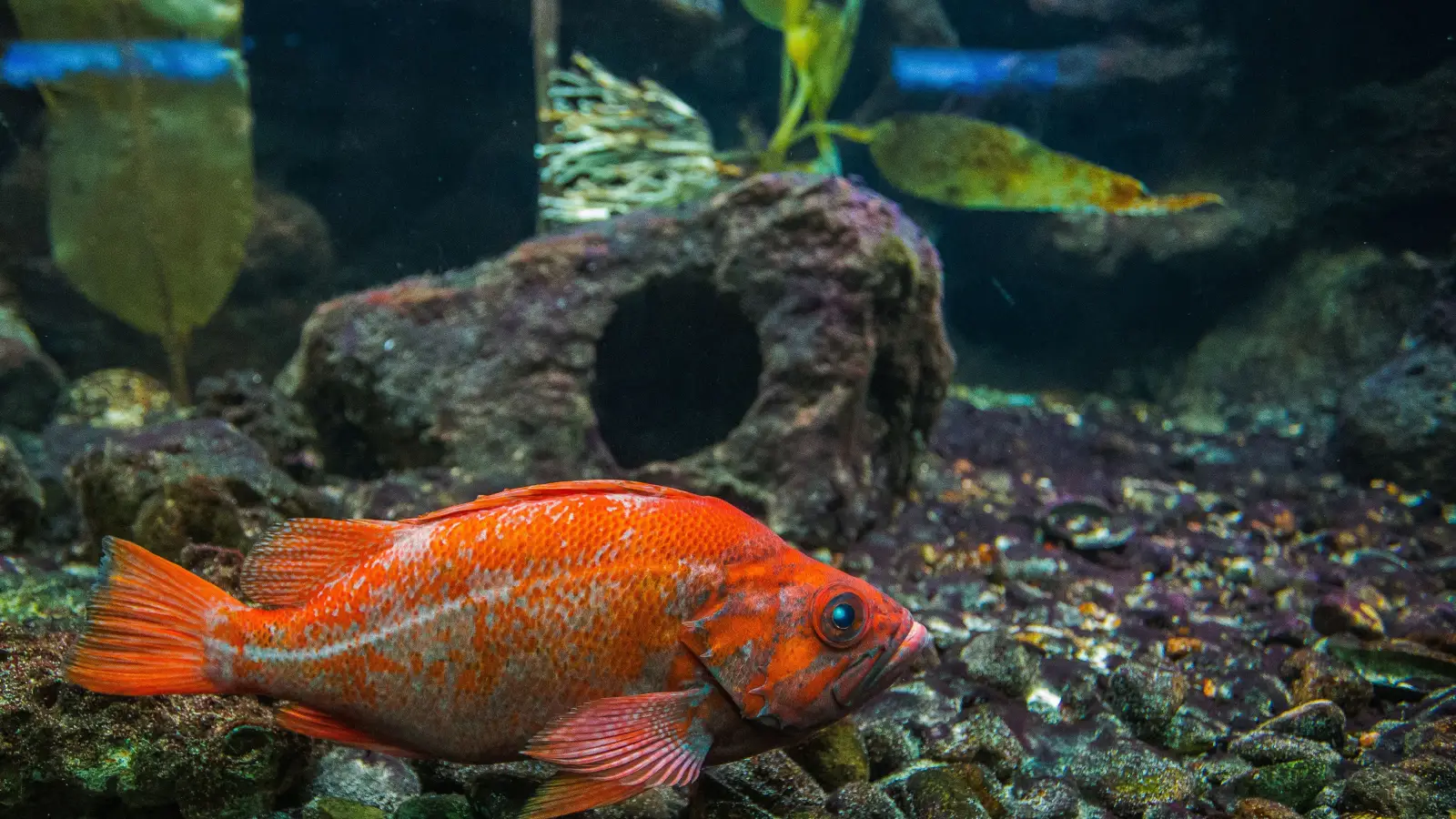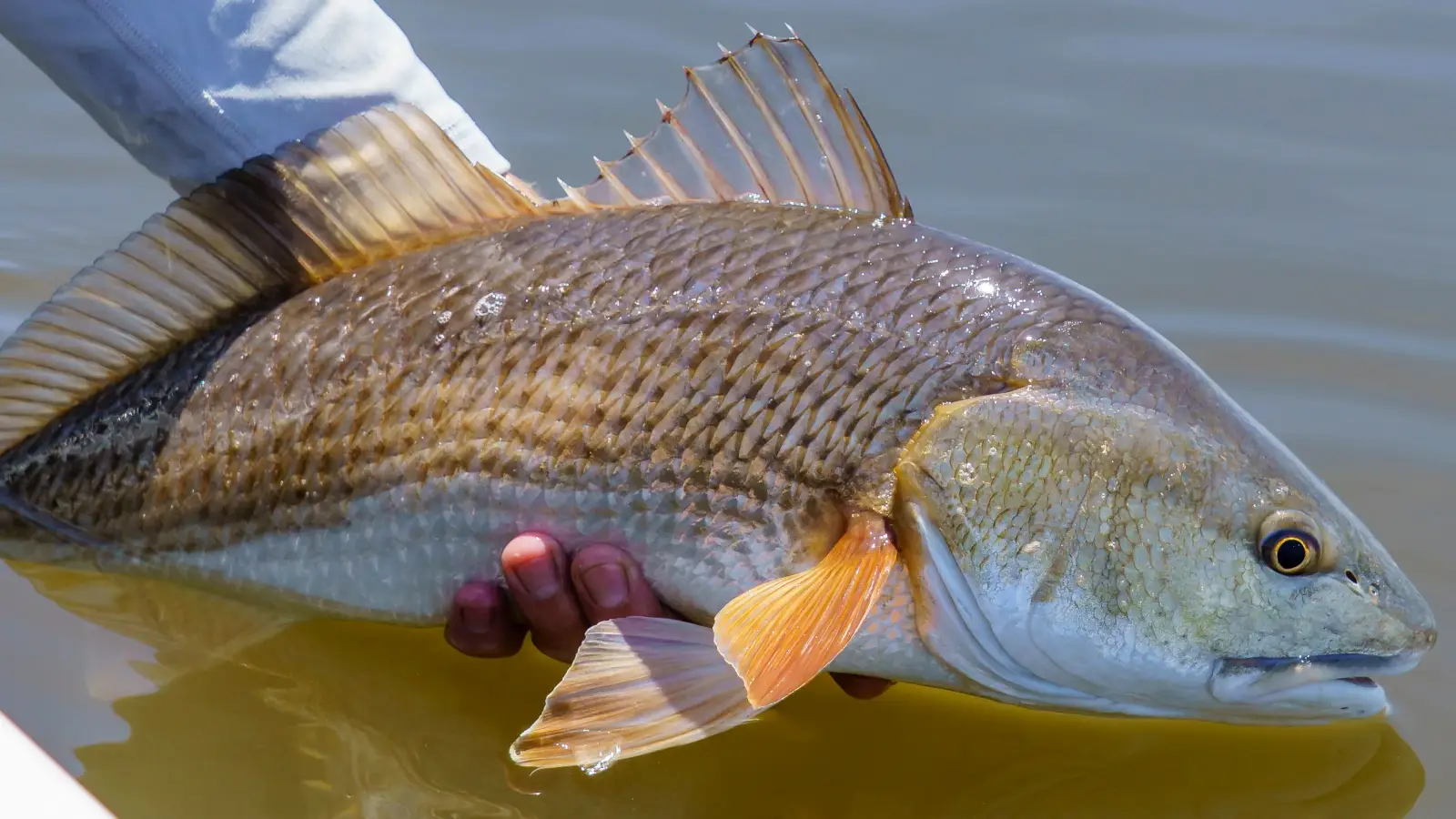
The incoming push is the most dependable redfish feeding trigger. Slack tide limps in last—not because it’s dead, but because the window is narrow and you have to fish it differently. This ranking sorts the three stages by how reliably they put fish in the boat.
The Two Factors That Determine a Feeding Frenzy
This order is based on two practical measures:
- Current Velocity & Bait Displacement — Strong, directional current forces bait against structure, concentrating it. Redfish feed hard when they don’t have to hunt.
- Bite Window Predictability — How long the action lasts. The longer and steadier the window, the higher the stage ranks.
#1 – The Incoming Push
The incoming tide comes first because the flood current organizes the whole feeding event. Water rises, sweeps across the flat, and pushes shrimp and baitfish against grass edges, oyster bars, and drop-offs. Redfish line up facing the flow, waiting. This is as close to a guarantee as inshore fishing gets.
It beats the outgoing pull because bait gets pinned to predictable edges rather than flushed through scattered drains. The bite often starts as soon as water moves and stays on until the flat is fully covered.
Caught at the wrong time, though, too much current can ruin it. On a big swing, water rips across a shallow flat, bait pushes deep into the marsh out of reach, and redfish go so shallow you can’t follow. Then the edge bite shuts off and you wait for the tide to ease.
Exact current behavior: Current pours from deeper water onto the flat. Bait schools crumble at structure edges. Redfish tilt into the flow, using barely any energy to hold position while snapping at disoriented prey.
Presentation adjustments:
- Drift a natural bait or soft plastic with the current, letting it tumble toward ambush points.
- Use a popping cork to keep the bait in the strike zone—usually just off the bottom or over submerged grass.
- Match the size of the prevalent bait. Large mullet moving in? Throw a 4–5 inch paddle tail.
- Keep bottom contact with a 1/8–1/4 oz jighead, enough to feel without stalling the drift.
#2 – The Outgoing Pull
Falling water flushes bait out of creeks and off the flat, funneling redfish into drains, cuts, and creek mouths. Set up where the current narrows and fish face into the flow to pick off anything washing past. It’s reliable once you find the right choke point, but that takes more work than fishing an incoming edge.
It earns this spot over slack tide because moving water keeps redfish active. It trails the incoming push because bait disperses across more spots—you’ll likely have to check several drains, while the flood often stacks fish along a single grass line.
The outgoing pull loses the top rank on a slow-draining flat, where water barely moves and bait drifts out without forming a clear feeding lane. The window can also end abruptly when the flat drains completely.
Exact current behavior: Water sheets off the flat, speeds up through narrow cuts, and sweeps bait downstream. Redfish hold in eddies behind oyster bars or on the downstream side of a cut, expending little effort while scanning the current.
Presentation adjustments:
- Cast up-current and let the lure sweep into the strike zone, keeping just enough retrieve to feel the bait.
- Topwater plugs shine when bait is scattering on the surface; a walking retrieve mimics a fleeing mullet.
- A steady, medium-pace retrieve on a soft plastic matches the current speed and keeps the lure in the right depth.
- Fish the edges of current seams, not the fastest water—redfish hold in the slower water right next to the rips.
#3 – Slack Tide
Slack tide lands last for one reason: no current equals no forced feeding pattern. Bait scatters, shrimp hide, and redfish settle into low-energy mode. You’ll get short, spotty feeding bursts when a breeze or a slight tide shift moves bait near a fish’s face.
It stays off the bottom of the list only because redfish will still eat a perfectly placed presentation. In clear water, sight-fishing can pick off a few fish. But overall, slack tide is the weakest stage by a wide margin.
Low current velocity demands a presentation that crawls. Fish won’t move far to chase. Precision matters more than action.
Exact current behavior: Water sits still. Bait hangs suspended or rests near the bottom. Redfish station in potholes, under mangrove overhangs, or along the deep edge of a flat, barely moving. They feed only when an easy meal drifts within inches.
Presentation adjustments:
- Dead-stick a small soft plastic (2–3 inches) on a light jighead; cast, sink, and twitch once every 10–15 seconds.
- Work a suspending twitchbait with long pauses—let it hover in the fish’s face.
- Target shade: dock pilings, mangrove roots, deeper troughs.
- In clear water, sight-fish with a weightless shrimp imitation. Long, delicate casts pick off cruisers.
The Drop Where the Bite Collapses
The quality gap between the outgoing pull and slack tide is enormous. Moving water produces strikes for hours. Slack tide might give you two half-hearted bumps in the same time. Many anglers burn through slack tide fishing too fast, covering ground, and expecting reaction strikes. Stop doing that. The moment current dies, switch to a near-static presentation or sit out the lull until the next push.
Where to Fish Each Stage
- New flat, no intel: Fish the incoming push. The flood reveals bait stacks and ambush points—you’ll learn the water while catching fish.
- Falling tide at a known drain: The outgoing pull wins. Station near the mouth and work the seam.
- One hour, right at slack: Downsize, slow way down, and pick apart the deepest edges and shaded cuts. Keep expectations low.
- Post-front, bright sun, clear water: Slack tide sight-fishing can rescue a day. Redfish spook easy, so long casts and a weightless bait are essential.
Questions You’re Likely Asking
Can redfish feed during slack tide?
Yes, but feeding is subdued. They’ll take a bait that drifts into their zone, but chases are rare. Finesse and patience are non-negotiable.
What’s the single best tide for redfish?
The incoming push. It activates feeding and concentrates bait along predictable edges better than any other stage.
Should I switch lures with the tide?
Absolutely. Heavy jigs and larger profiles on the incoming push; lighter, smaller baits and slower retrievals on slack tide; the outgoing pull calls for natural-drift presentations with medium tackle.
The Incoming Push Is the Rule—Make an Exception Only for Falling-Side Drains
Stick with the incoming push as your default redfish stage. It sets up predictable zones and triggers aggressive strikes. The only time you should choose the outgoing pull over it is when you know a specific drain that funnels bait on a falling tide. In that case, the current delivers fish to a choke point you can target precisely. Otherwise, plan your trip around a rising tide and let the flood do the work.