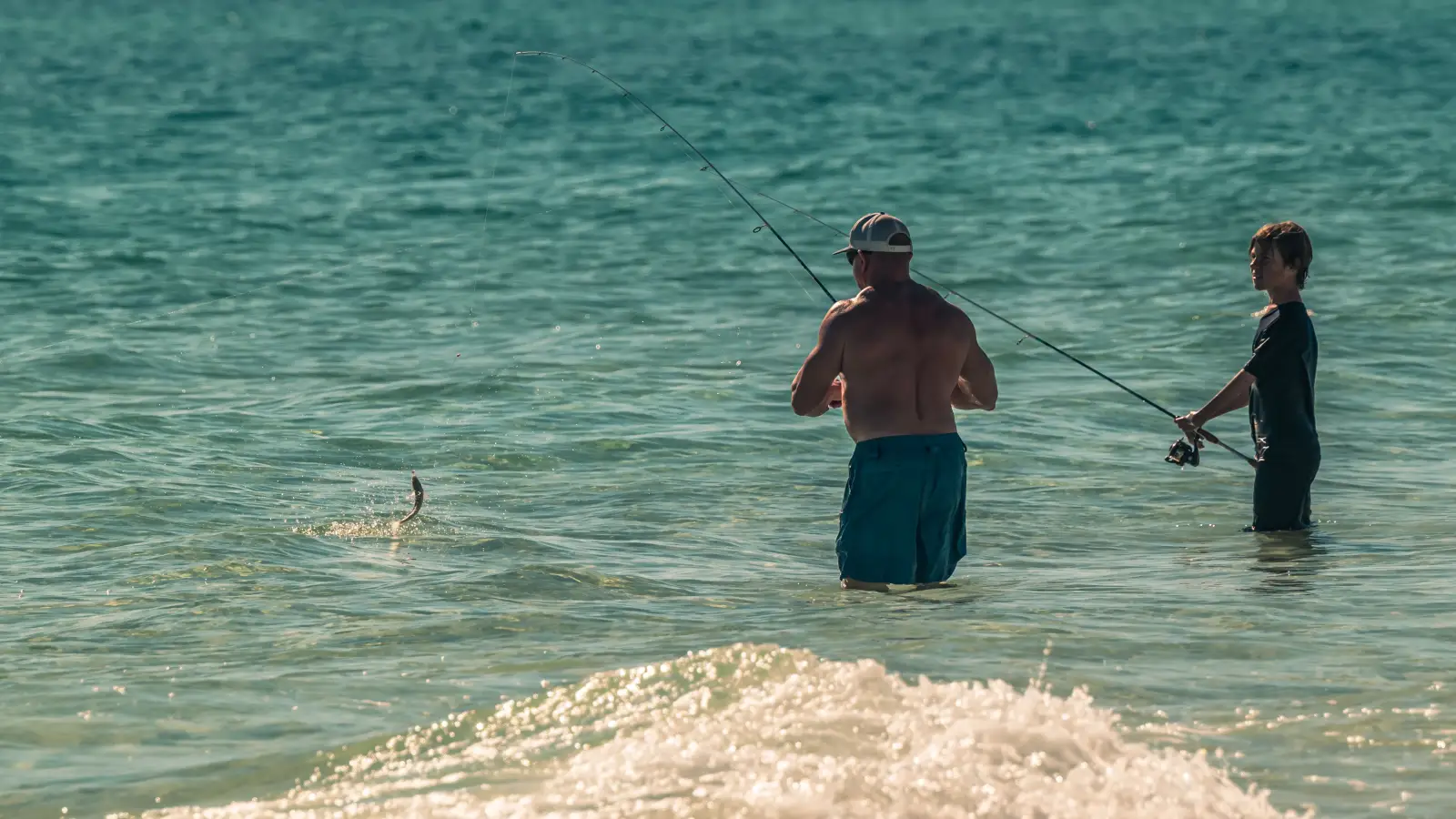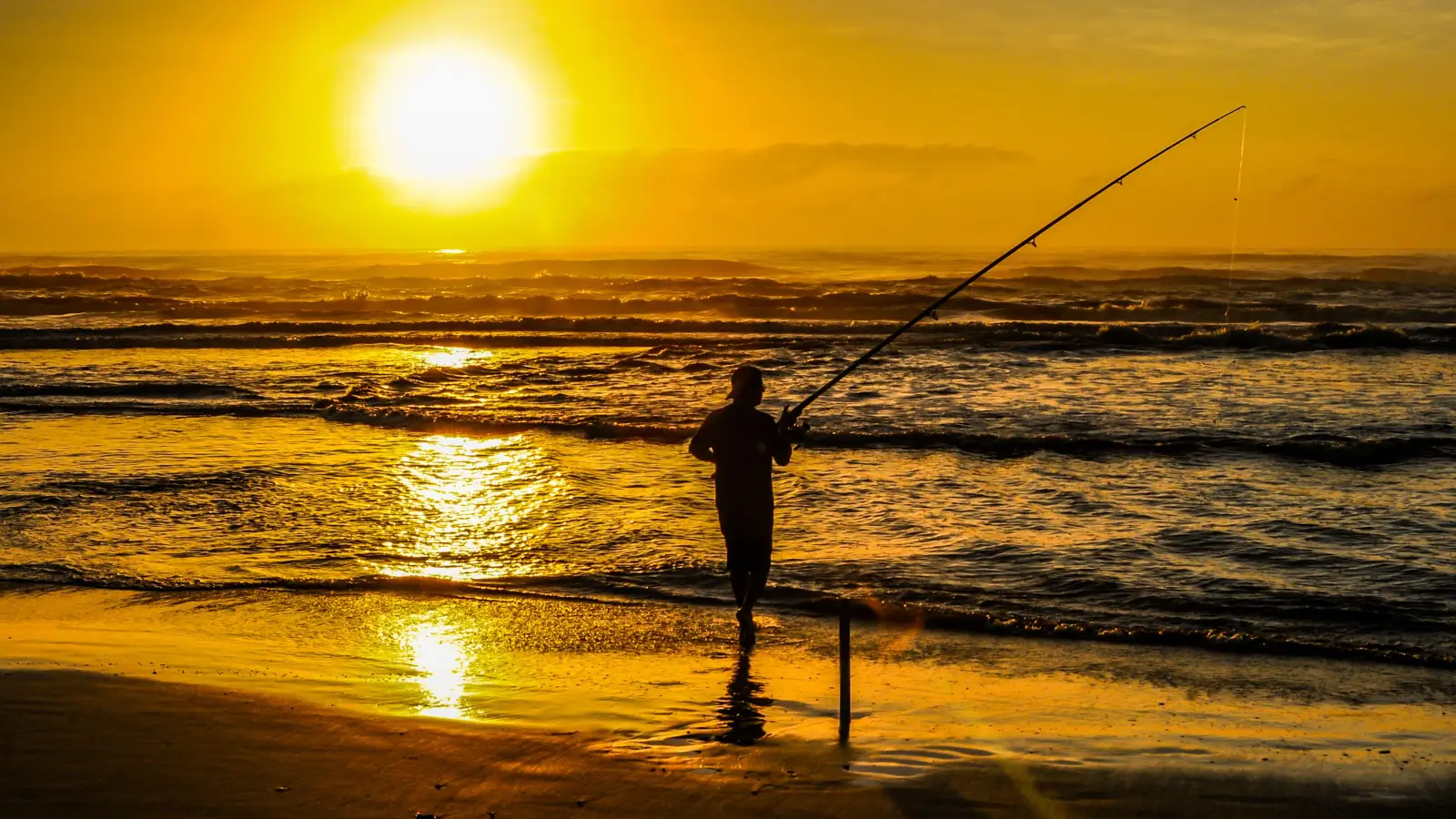
Surf fishing is not an extension of bank fishing. It is a different game entirely—one where the environment dictates every move, and you either read it or waste your time. What separates beach casting from dock or pond fishing is this: you are not casting into still water next to a static edge. You are casting into a moving, three-dimensional system of waves, currents, and shifting sand that determines whether a fish even sees your offering.
The solution is to stop treating the beach as scenery and start treating it as a puzzle with a repeatable solution. This guide distills surf fishing into a framework of three steps: decode the water, build a gear system that matches the conditions, and adapt your presentation to the relentless movement of the surf. Master those, and you stop guessing and start connecting.
The Three Forces That Make Surf Fishing Its Own Game
Every success or failure in the surf ties back to the same three factors: the invisible underwater terrain, the sheer energy of moving water, and the behavior of fish in that energy. A grassy bank or a pier does not have waves gouging deep channels and piling up sandbars overnight. The surf does. It creates gutters that act as fish highways, rip currents that funnel bait offshore, and constantly shifting break zones that dictate where bait and predators intersect.
Gear must beat this environment—not just survive it. A setup that works in a calm lake falls apart when a five-knot longshore current swings your sinker into the beach. If you ignore any one of these forces—reading where structure forms, choosing tackle with enough backbone, and presenting something that looks alive in turbulence—you are not surf fishing. You are just getting your line wet.
Stage 1: Read the Water Like a Map
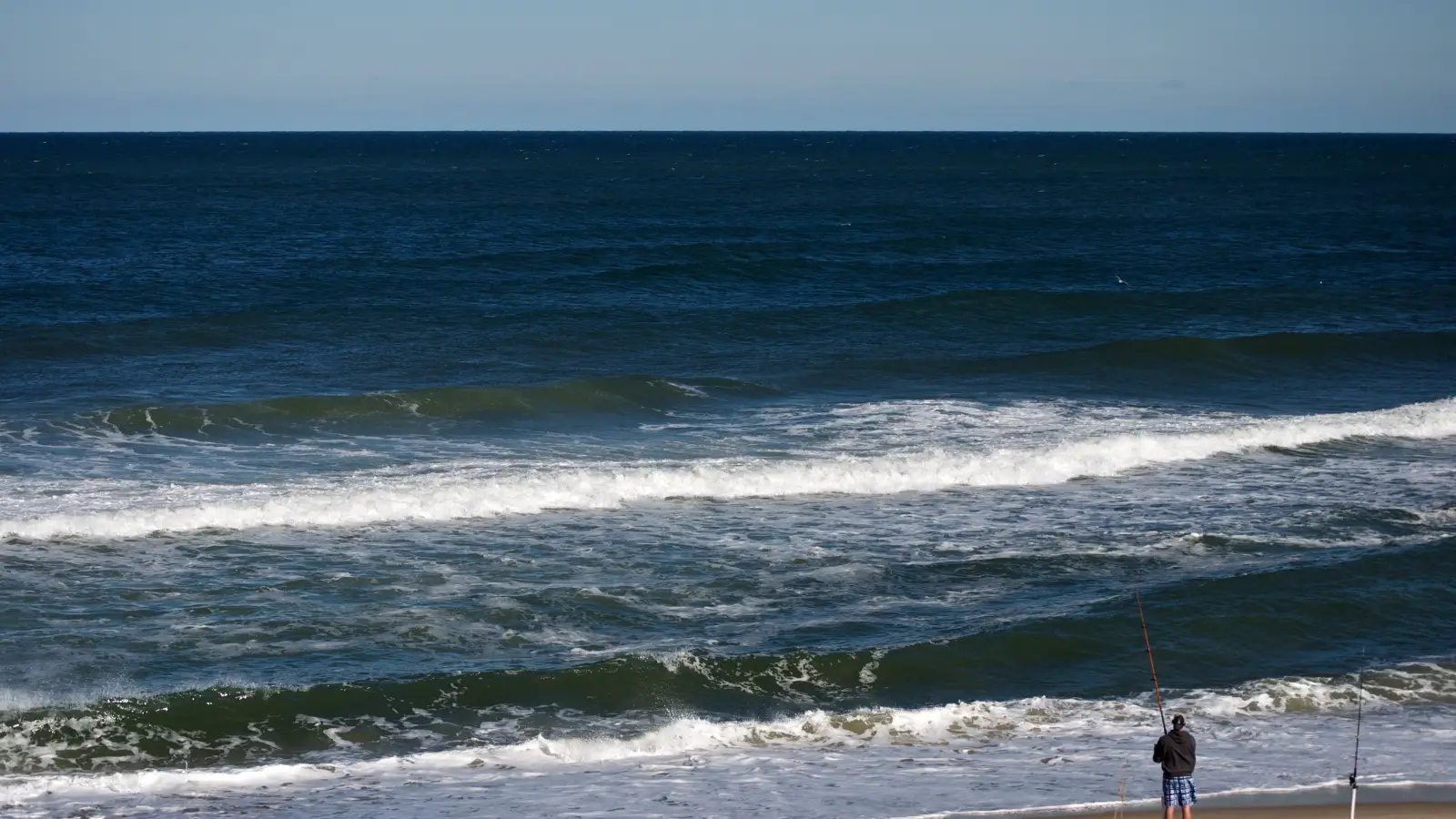
Before you open a tackle bag, read the surf line. The single skill that separates productive surf anglers from everyone else is the ability to scan breaking waves and translate surface patterns into a mental map of bottom structure. The ocean writes a roadmap on its surface. Ignore it, and your casts land in sterile sand.
Why This Comes First
Every choice about weight, leader length, and target distance flows from one question: Where is the fish-holding structure? You cannot choose a rod length or sinker size until you know how far out that structure sits and how much current you must fight to stay in it. Starting with reading ensures you place your offering on a fish highway, not a sandy parking lot.
What to Look For
Three features matter most. Gutters—dark, calm troughs between the beach and the outer sandbar where waves do not break. Rip currents—discolored, turbulent lanes cutting through the surf and heading offshore. Sandbar gaps—stretches where waves flatten out before reforming, signaling a break in the bar that allows water and bait to move.
Watch for birds working bait, dark color changes that reveal depth, and the behavior of breaking waves. Low tide exposes structure you cannot see at high water, so a pre-dawn walk on a dropping tide gives you a blueprint for the entire session.
What Done Well Looks Like
You scan 300 yards of beach, mark two distinct gutters flowing into a rip, and know exactly where a 60-yard cast puts your bait in the current seam that funnels food to waiting fish. You stopped hoping. You started targeting.
Stage 2: Assemble Gear That Fights Moving Water
Surf tackle is not a collection of heavier versions of freshwater gear. It is a system built to meet three demands that calm-water setups never face: casting distance into a headwind, holding bottom in surge and side-current, and surviving the grinding combination of salt spray and sand.
Why Gear Comes Second
Once you know the structure’s distance and the current’s strength, you can select a rod that loads correctly and a reel that carries enough line. Buying gear before you understand the beach’s demands forces compromise. The conditions choose the tackle, not the other way around.
Rod Length and Power
A 9- to 12-foot rod rated for 1–4 ounces or 2–6 ounces covers most Atlantic and Gulf surf. Length adds casting leverage and lifts the line over breakers during retrieve. But power must align with the sinker weight the current demands. If you need 5 ounces to hold bottom and your rod maxes at 3, you lose ground and lose fish. At the same time, a rod that requires 8 ounces to load properly will hide the faint tap of a pompano.
Reel Size and Line Weight
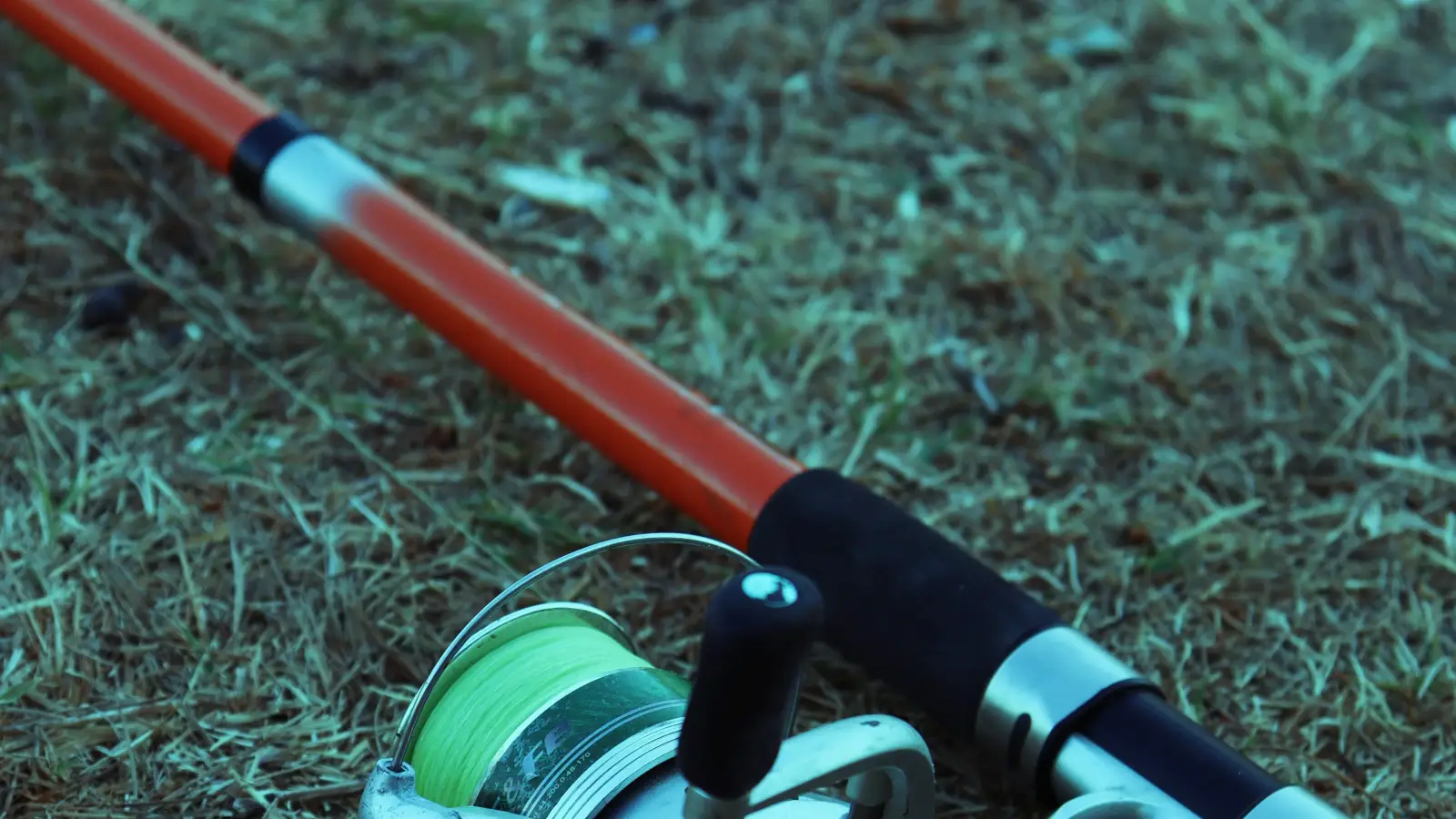
Balance the rod with a 4000- to 6000-size spinning reel spooled with 15- to 30-pound braid. Braid’s thin diameter slices wind and sends a bait farther, while its lack of stretch transmits light bites through a tight line. Attach a 20- to 40-pound mono or fluorocarbon leader for the abrasive zone where sand and teeth meet.
Rigs and Terminal Tackle
The fish-finder rig—a sliding sinker above a swivel and short leader—allows a fish to mouth the bait without feeling resistance. Pyramid or sputnik sinkers dig into sand and resist rolling; round or bank sinkers fail in moving water. For lures, carry metal spoons and bucktails from ¾ to 2 ounces, heavy enough to buck the current and still deliver action.
What Done Well Looks Like
You hold bottom through a full set of waves with a rod that bends smoothly into a 4-ounce load and a reel that holds 250 yards of 20-pound braid. You feel the subtle thump of a whiting while a two-foot roller surges past your line—and you hook it.
Stage 3: Adapt Your Presentation to the Surf
Even perfect structure and ideal gear fail if the bait or lure moves unnaturally in the current. Most technique mistakes happen when anglers treat the ocean like a pond, letting a bait sit static or retrieving a lure at one speed regardless of flow direction.
Why Technique Completes the Framework
Reading water and matching gear set the table. Presentation is the meal. The goal is to make your offering behave like something alive in the turbulence—not something the current owns.
Holding Bottom with Bait
Set the sinker to anchor the rig without burying it. If strong side-current bows the line into a huge curve, increase weight by an ounce and shorten the leader to 12–18 inches to reduce swing. Check every few minutes by briefly tightening the line; if it moved, adjust weight or recast slightly up-current so the drift settles into the strike zone.
Lure Retrieval in Current
Speed must match water flow. Retrieve faster against the current so the lure maintains action; slow down when running with it so it doesn’t spin out. Cast up-current at a 45-degree angle, then use rod sweeps and pauses to let a spoon or bucktail swing through a gutter like a struggling baitfish. Vary depth by counting down before starting retrieve—more count over deeper gutters.
What Done Well Looks Like
Your sinker stays planted, your bait stays in the target zone, and a bucktail tracks through the rip at the right depth without washing out. The rig transmits a strike, not a guess.
Putting the Framework to Work: A Morning on a Mid-Atlantic Beach
Dawn. A moderate northeast swell with a dropping tide. Walk the high-tide line reading surface patterns. Spot a rip current 200 yards down: waves clean on both sides, a choppy, discolored lane pushing offshore, and a dark gutter inside it about 40 yards out. That’s the zone.
Pull a 10-foot rod rated 1–4 ounces, a 5000-size reel with 20-pound braid and a 30-pound fluorocarbon leader. Tie a fish-finder rig with a pyramid sinker and a small circle hook baited with fresh shrimp. Cast just beyond the gutter’s edge, let the sinker settle, and take up slack until the line tightens. The rod tip pulses with each wave but holds its bend.
Alternate that bait rod with a 1-ounce silver spoon cast up-current and retrieved with sweeping rod lifts that cross the rip. Within an hour, the bait rod bows over. The system proved itself.
Where Anglers Skip Steps and Pay the Price
Skipping Beach Reading and Casting Blind
Picking a spot because it’s convenient and launching a cast without studying the water is the single biggest mistake. It guarantees you throw into featureless water while fish travel a deeper gutter 60 yards away. Ten minutes spent watching the surf before rigging up would have revealed that gutter. Without it, you fish blind.
Relying on Freshwater Gear in Salt and Surf
A 7-foot bass rod and a 2500 reel cannot launch a sinker heavy enough to hold bottom in current, and the reel lacks the line capacity for a proper cast. Worse, salt spray and sand eat unprotected components not built for the marine environment. The result is broken-off rigs, stripped gears, and a shortened trip.
Failing to Adjust Weight as Conditions Change
Tide and current shift constantly. A weight that held at sunrise drags at mid-morning. Ignore that and your bait swings into ankle-deep water or wraps on a sandbar. A quick weight adjustment—or simply checking and recasting—often turns a dead window into a bite. Treat sinker weight as a dial you turn, not a setting you leave.
Surf Puzzle Framework at a Glance
| Stage | Goal | Key Action |
|---|---|---|
| Read the Water | Find where fish travel and feed | Identify gutters, rips, and bar gaps by reading wave patterns and color changes |
| Assemble Gear | Reach the target zone and hold position | Match rod length/power, reel size, and sinker weight to observed distance and current |
| Adapt Presentation | Deliver natural bait or lure movement in moving water | Adjust sinker weight, leader length, and retrieve speed/direction to current flow |
Common Questions About Surf Fishing
What is the difference between surf fishing and shore fishing?
Shore fishing is the broad term for any bank or shoreline angling. Surf fishing narrows that to the ocean’s surf zone, where breaking waves, currents, and shifting sand structure force a specialized approach to reading water, selecting tackle, and presenting baits or lures in moving conditions.
What rod length do I need for surf fishing?
A 9- to 12-foot rod handles most surf situations. Longer rods cast farther and keep the line above breaking waves; shorter rods offer more sensitivity and portability. Match length to the distance you need to reach and the weight of sinker required to hold bottom.
How do you read a beach for surf fishing?
Scan the shoreline at low tide. Look for dark, calm gutters inside the whitewater, choppy rip currents flowing offshore, and gaps where waves stop breaking over the sandbar. Birds, bait activity, and color changes reveal depth and current seams that concentrate fish.
How much weight should I use when surf fishing?
Use the lightest sinker that holds bottom. Start within your rod’s sweet spot—often 2–5 ounces in moderate surf—and adjust based on whether the rig stays put or drags. Pyramid and sputnik sinkers dig into sand better than round or bank styles.
Can I use the same gear for pier fishing and surf fishing?
There is overlap, but pier gear usually runs lighter and shorter. Surf rods need extra length for casting distance and more power to fight wave surge. While some surf tackle works from a pier, true pier angling rarely demands the extreme casting distance or holding power that open surf requires.
Start with the Water, Not the Tackle Shop
The framework is sequence-dependent: read, equip, present. The step that costs nothing—learning to see gutters and rips—is the one that changes everything. Tomorrow morning, walk to the shore with your rod under your arm, then set it down and watch the waves for ten minutes before you tie a single knot. Let the beach show you where the fish are, then bring the gear that reaches them. That is surf fishing done right.