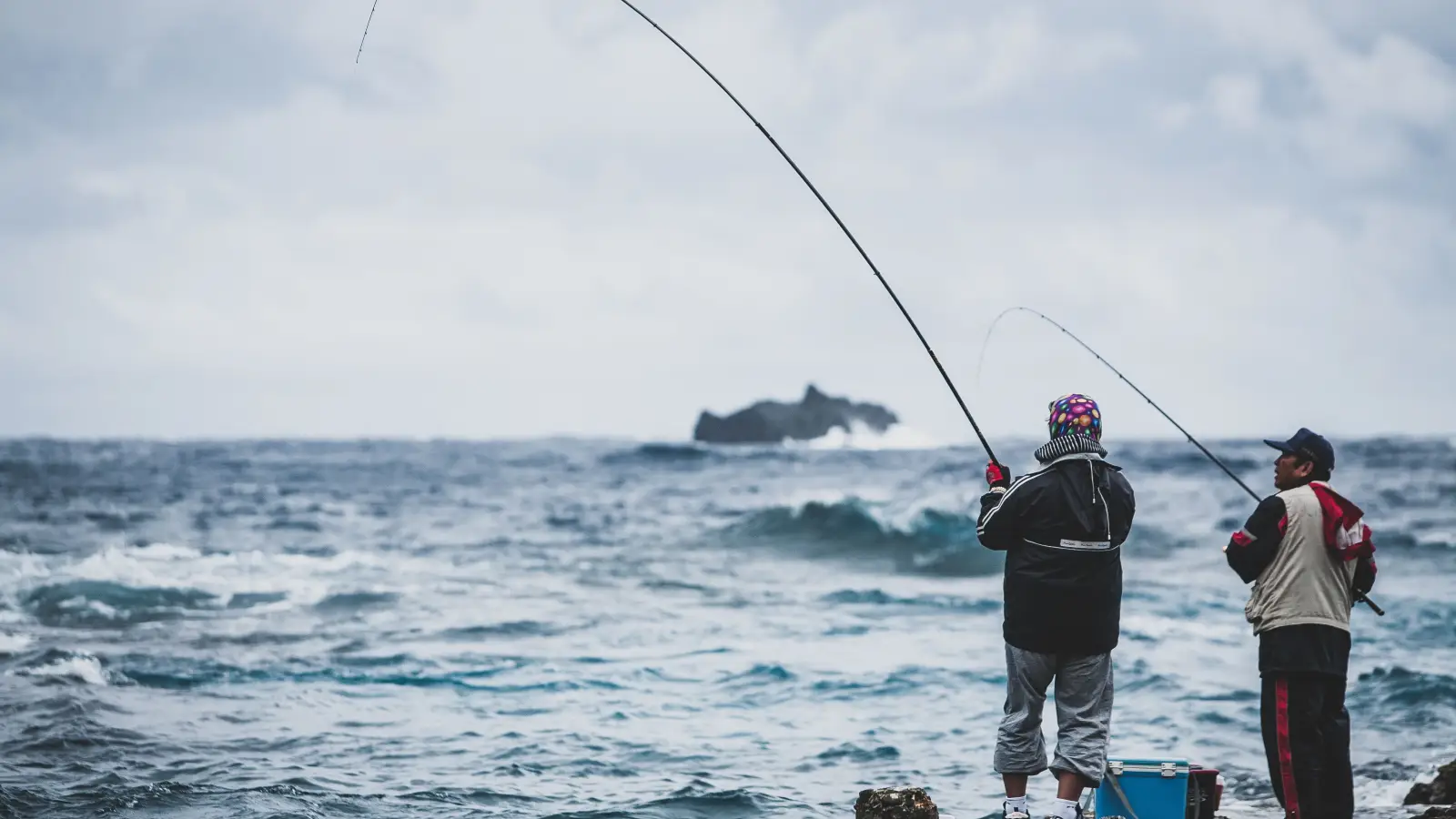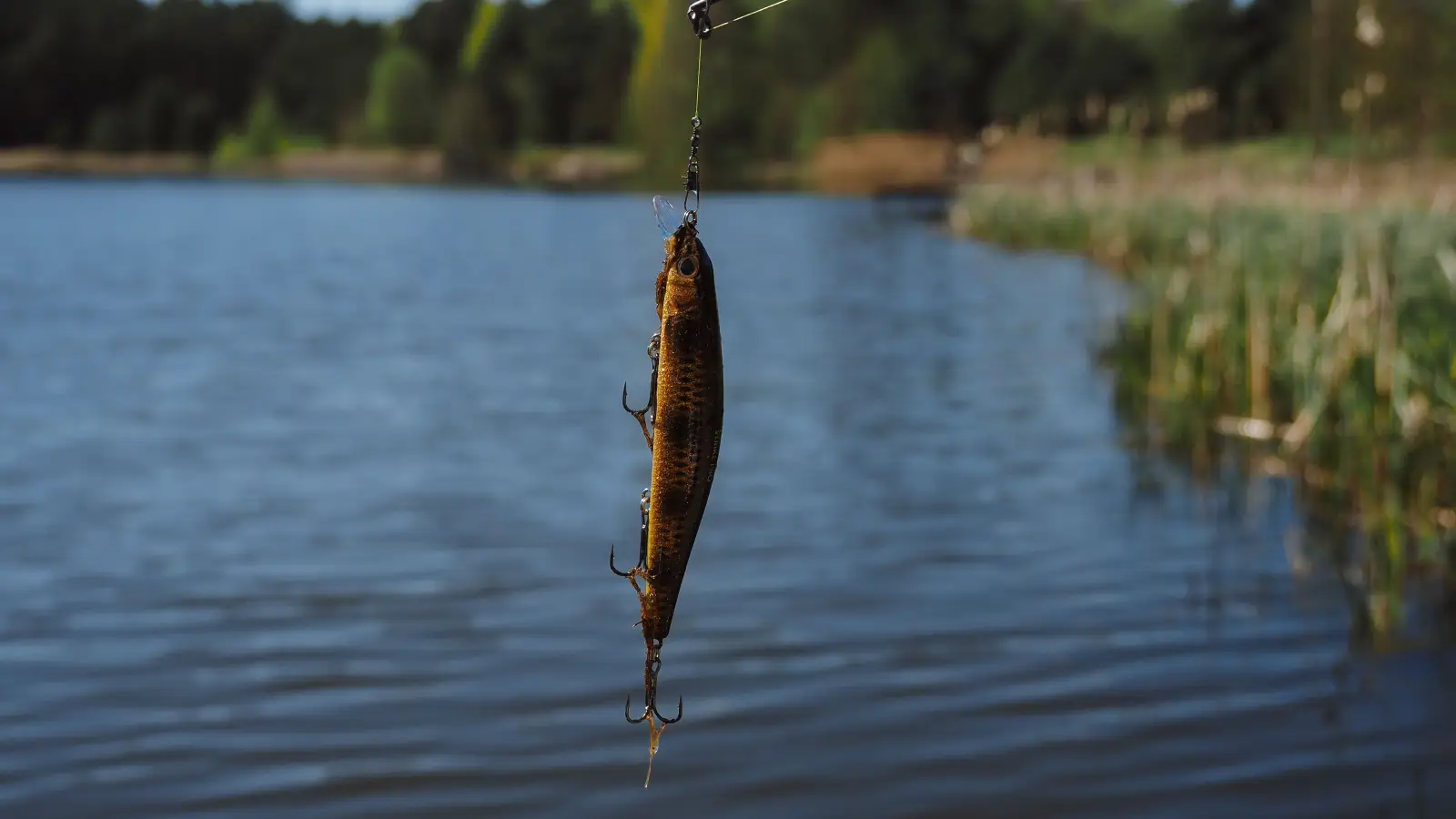
Landing more treble hook fish isn't about faster hands or sharper hooks. It's about picking a rod that refuses to give the fish a break in pressure. Moderate action blanks, which bend well into the midsection, absorb the sudden lunges and head shakes that normally pry lure hooks loose. By keeping a smooth, constant pull through every twist of a bony mouth, these rods quietly keep bass and walleye pinned when stiffer sticks would throw the bait.
The Hookup That Stays Hooked
Imagine a square-bill crankbait running tight against a submerged log. A bass inhales it, clamps down on the hard plastic, and immediately bulls for deeper shade. With a moderate action rod, the blank loads in a long, easy arc before the angler even reacts. The curve never straightens out; it just moves with the fish. Each violent head shake gets swallowed by the flex, and the treble points stay buried in that bone-dense upper jaw. The rod's doing the work, and the fish never finds the slack it needs to twist free.
Run that exact strike on a fast action rod, and the story changes fast. The tip registers every tremor like an unfiltered signal, but the blank barely bends past the first few inches. A hard lunge yanks the bait laterally, and one tiny hook point catches the edge of a jaw plate. That's all it takes — the hook springs loose, and the fish is gone.
Why That Deep Bend Works
Pressure Without the Pause
A moderate action rod bends further, storing energy across a longer arc. When a fish pulls, the tip recovers slowly, not with a fast snap-back. That matters with treble hooks because the hold depends on thin wire and small barbs — a constant pull drives them deeper. Any moment of slack or a harsh yank is an invitation for the fish to twist and throw the bait. A moderate action blank simply doesn't offer that opening.
The Shock Absorber Built Into the Blank
Bass and walleye fight with hard, jerky motions. On a fast action rod, those shocks travel straight to the lure, like tapping a screwdriver on a hook. Moderate action spreads the load, softening the spikes before they reach the mouth. The tip doesn't stop moving, but it never spikes tension enough to enlarge the tiny hole the hook made. The fish wears itself out against a rod that bends but never breaks the connection.
Hard Mouths, Gentle Hold
Largemouth bass carry a thick, plate-like upper jaw; walleye have a bony, ridged mouth full of cartilage. Treble hooks often hang on by a single point gripping a thin membrane or a small notch in the bone. A moderate action rod respects that fragile purchase. Instead of muscling the fish and prying the hooks out, it uses water resistance and the rod's own give to drain the fight. The hooks stay set because the rod never forces them against the hard surfaces at a bad angle.
Where Moderate Action Saves the Day
Cranking Wood for Bass
Throwing crankbaits or lipless plugs into stumps and laydowns means the fish is nearly always on the strike right next to cover. Moderate action softens the initial hit — often a sharp hookset isn't needed; the rod loads automatically. When the bass dives back into the snags, the bend stays deep and prevents the line from going slack, which is the single biggest reason treble hooks get thrown.
Trolling Plugs for Walleye
Long trolling passes with deep-diving plugs put steady, heavy tension on the gear. A fast action rod under constant load will telegraph a thousand tiny ticks, but it can violently unload when a walleye surges or shakes its head side to side. Moderate action trolling rods, especially those with a glass or composite blend, keep a uniform bend. That steady curve shrugs off the lateral headshakes that are so effective at flinging small trebles.
Pause-Strikes on Jerkbaits
A suspending jerkbait sits still, and the fish often just clamps down. A fast action rod reacts to the angler's instinctive sweep by ripping the bait away. Moderate action absorbs some of that movement, giving a split second to feel the weight of the fish before the rod moves. That brief lag keeps the hooks in the mouth instead of pulling them out before the bite turns into a hookup.
The Mistake That Costs Fish
The most damaging misunderstanding is equating moderate action with weak power. A rod can be medium-heavy in the butt and still bend well into the midsection. Action is about where the blank flexes, not how much backbone it has. A stovepipe-stiff rod rated for heavy line might still be fast action and terrible for treble hooks. A moderate action rod in a medium-heavy power can drive home beefy hooks yet still protect the thin wire of a treble. The rod's job isn't to be strong or soft — it's to bend in the right region to keep the hooks buried while controlling the fish.
A Different Take: Walleye Trolling with Leadcore
Leadcore line stretches and bows under its own weight, creating a steady, hypnotic pull. Pair that with a fast action rod, and the setup fights itself — the rod snaps back when the line should just give. A moderate action rod, particularly one with a glass underlay, syncs with leadcore's slow stretch. When a walleye taps, the tip bows without jerking. The line-to-rod curve becomes one continuous shock absorber. Through long, uneventful trolling runs, that harmony keeps the ultra-fine treble points anchored in a bony mouth.
Questions That Come Up After Losing a Few
What does moderate action actually mean?
A moderate action rod bends into the upper third to half of its length under load. It returns to its original shape more gradually than a fast action blank while still having enough lower-section stiffness to control the fish. This spread-out bend is what cushions head shakes.
Can I get away with a fast action rod for treble hooks?
You can reduce lost fish by loosening the drag, adding a mono leader for stretch, and taking out the sharp snap from your hookset. But a fast action rod will always hit the lure with quicker, peakier loads. Moderate action is the simpler, more consistent tool for keeping trebles pinned.
Which fish need moderate action the most?
Fish with plate-like or cartilage-heavy mouths gain the most: largemouth and smallmouth bass, walleye, pike, and hybrid stripers. The principle applies generally to any treble-hooked lure, but bony-mouthed species expose the difference quickest.
Does a longer rod help keep hooks in?
A longer lever arm (7 feet and up) increases the rod's sweep and can add shock absorption simply through extra length. A 7'6" moderate action rod often bends deeper than a 6'6", but it's the action, not the length, that primarily prevents hook pulls. Length amplifies the benefit, it doesn't replace the action.
Let the Rod Fight the Fish
Every time you tie on a treble hook bait, think of the deep, steady arc from that laydown example — a continuous, loaded curve that never let the hook find an opening. The simplest rule: pick a rod that bends well into the middle, set the hook with a long, sweeping motion, and then let the blank do the absorbing. When the rod fights the fish for you, bony mouths stay hooked.