A released fish that swims off still dies at a significant rate, and the culprit is rarely fight length. Research consistently ranks air exposure as the most lethal factor—followed by water temperature, hook location, handling damage, and fight duration. The survival threshold is unambiguous: under 20 seconds out of water dramatically increases the odds a fish lives, particularly when water is warm.
1. Air Exposure: The 20-Second Ceiling
Even a few seconds out of water collapses gill filaments and halts oxygen exchange. Survival studies place air exposure at the top of the mortality list because it delivers an immediate, often irreversible shock. Mortality can double after just 30 seconds; in water above 70°F, that window contracts further. The practical rule—under 20 seconds—is not a suggestion. It is a line drawn from data showing that exceeding it reliably kills fish.
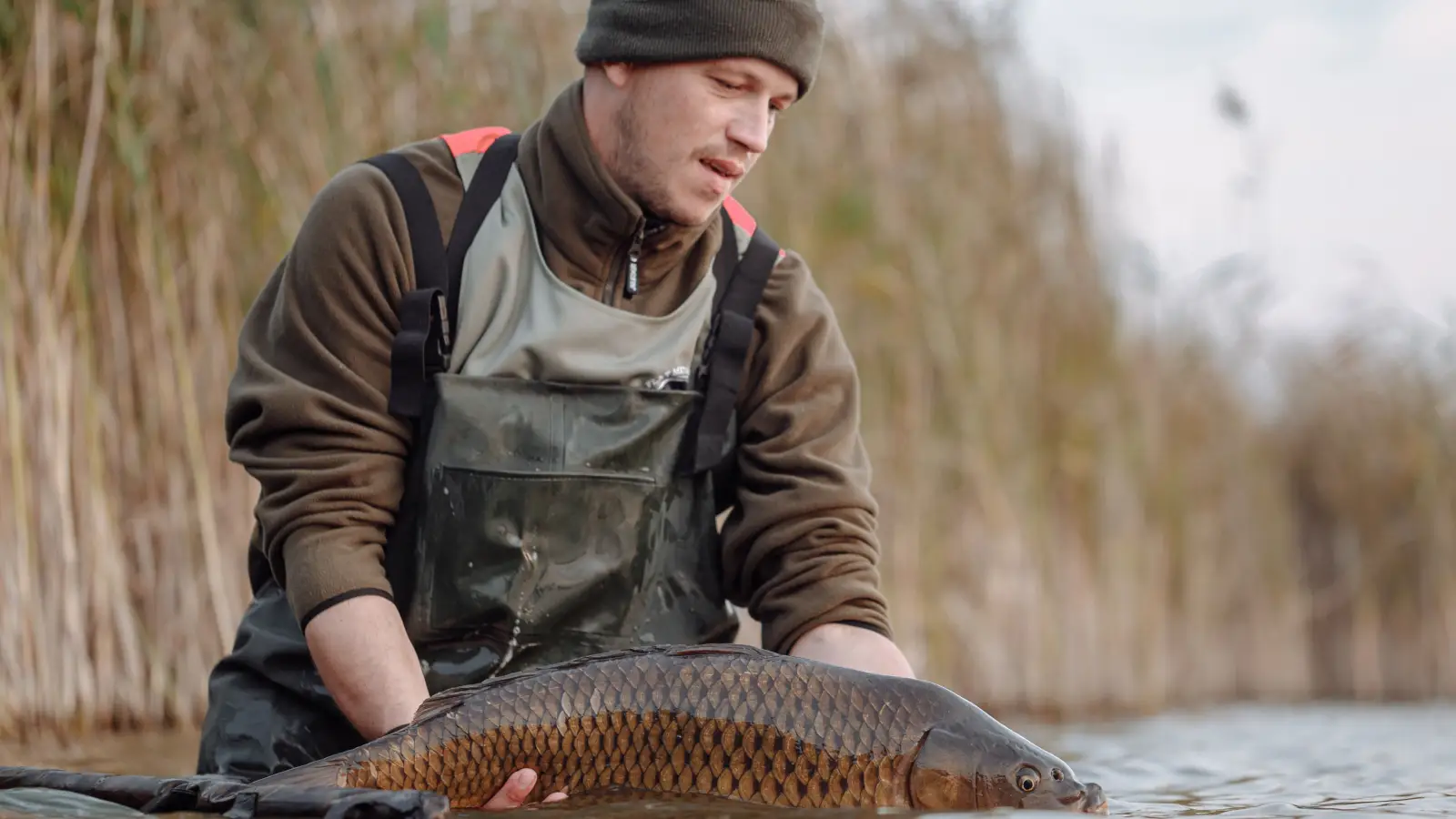
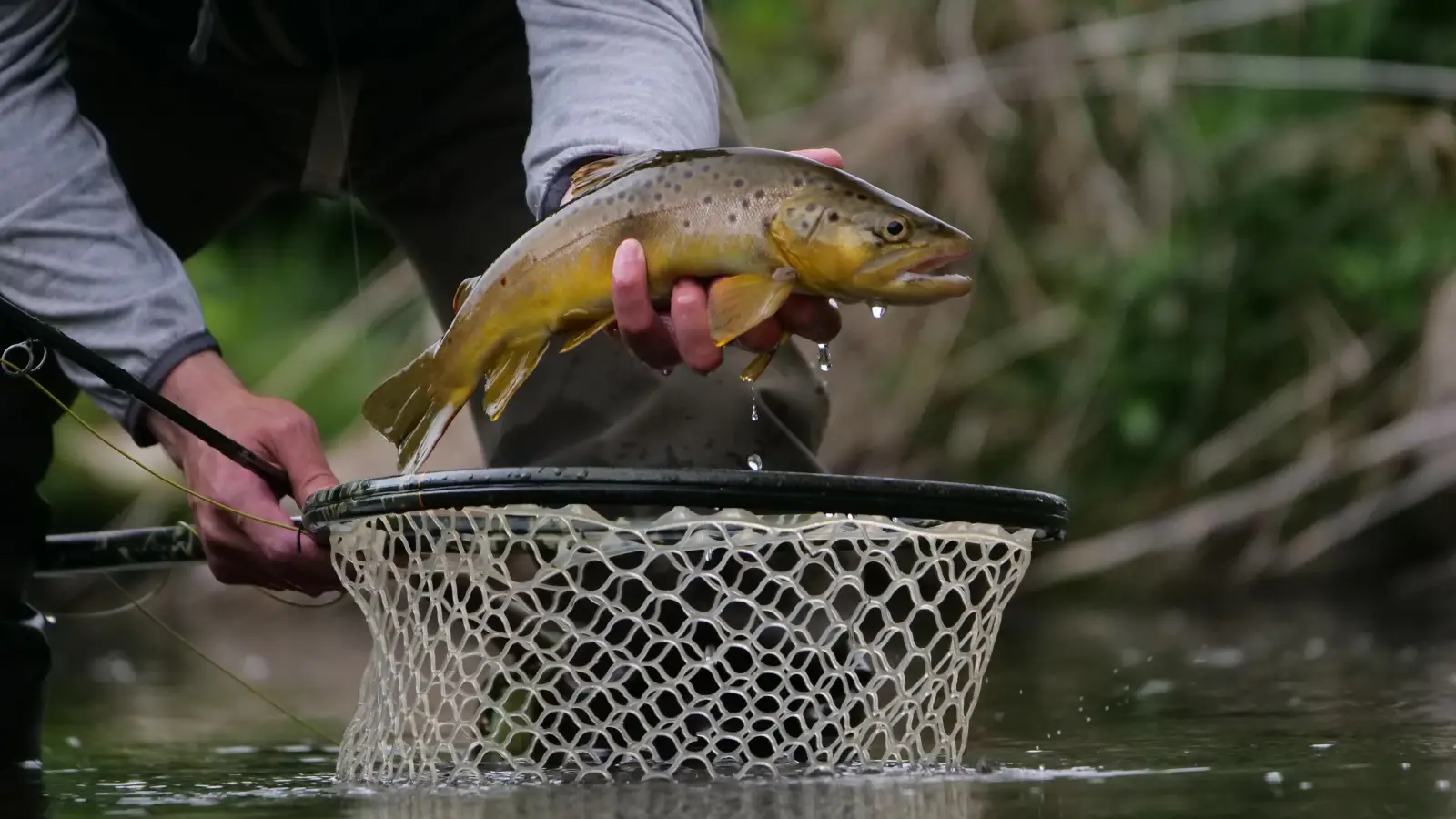
Make it practical: Keep the fish in a submerged net while removing the hook. If a photo cannot be avoided, leave the fish cradled in water until the camera is ready, lift only for the shot, and count seconds out loud. Wet hands and a rubber net protect slime, but they do not buy you extra air time.
2. Water Temperature: The Stress Amplifier
Warm water contains less dissolved oxygen while a fish’s metabolic rate climbs, so the same struggle that is survivable at 60°F becomes lethal at 78°F. Fish in water over 75°F accumulate lactic acid faster, recover slower, and often die hours later from exhaustion that never resolved. Above 80°F, the risk is so high that some fisheries scientists advise against targeting certain species entirely.
The danger lies in how temperature compounds every other factor. A 10-second air exposure that a fish handles in cold water can kill it in warm water. Temperature explains why identical catch-and-release habits fail in July but succeed in October.
Make it practical: In water over 75°F, shorten fight times, avoid deep-hooking baits, and release fish without lifting them from the water whenever possible. If deep-water fish are targeted, barotrauma amplifies thermal stress—use a descending device or skip deep species in summer.
3. Hook Location: The Damage Site
Lip-hooked fish released quickly have survival odds near 100%. A hook in the esophagus, gills, or gut changes the arithmetic entirely. Gill-hooked fish bleed from major vessels and die at rates approaching 100% in field observations. Deep hooking also creates paths for infection and prevents normal feeding.
Bait fishing produces the most deep hooking, especially when anglers delay the hook-set. Circle hooks virtually eliminate gut hooking because they slide to the jaw corner as the fish turns. Barbless hooks reduce removal trauma when a hook does travel deep.
Make it practical: When a hook is lodged deep and access is poor, the highest-survival path is to cut the line close to the hook and release the fish with the metal left inside. The alternative—prying and twisting—adds more air time, more tissue damage, and usually kills the fish anyway.
4. Handling Damage: The Contact Cost
A fish’s slime coat is its primary pathogen barrier; dry hands, knotless rubber nets, or contact with a dry deck strip it away in an instant. Gripping a fish vertically by the jaw or squeezing its abdomen transfers pressure to organs, causing damage that kills days later. Dropping a fish onto any surface—even a wet mat—introduces spinal injury and internal bleeding.
Handling mortality is underestimated because the effects are delayed. A fish that swims away with half its slime removed may be dead from fungus within a week, never counted in real-time release records.
Make it practical: Wet hands before any contact. Use a rubber net, keep the fish horizontal and supported, and never let it touch dry surfaces. Plan measurements and photographs while the fish stays in the water, then lift only for the minimum needed interval.
5. Fight Time: The Myth of the Short Fight
Anglers often believe that a short fight guarantees survival. That belief is false. A fish landed in 30 seconds can still die from deep hooking, warm water, or prolonged air exposure. Post-catch treatment dwarfs fight duration as a predictor of mortality. A fish fought for two minutes but handled correctly will frequently out-survive one fought for 20 seconds and then held out of water while someone searches for pliers.
Prolonged fights do carry their own risk—lactic acidosis becomes severe past two minutes, and recovery can take longer than the fish can afford, especially in water above 75°F. The threshold is real, but it is not the first concern. Fight time ranks last on this list because the other four factors kill faster and more predictably.
Make it practical: Match tackle to target species to land fish efficiently, but treat fight duration as a secondary metric. When a fish arrives exhausted, skip the photo and focus entirely on revival, holding it into current until it swims away under its own power.
Lethality Ranking at a Glance
| Rank | Factor | Lethality Mechanism | Critical Threshold | Primary Mitigation |
|---|---|---|---|---|
| 1 | Air Exposure | Gill collapse, asphyxiation | Under 20 seconds | Keep fish submerged; brief lifts only |
| 2 | Water Temperature | Low oxygen, high metabolic stress | Above 75°F | Minimize time out of water; use heavier tackle to land fast |
| 3 | Hook Location | Organ damage, bleeding | Deep hook in throat/gills | Use circle hooks; cut line on deep hook |
| 4 | Handling Damage | Slime removal, internal injury | Any dry or rough contact | Wet hands, rubber net, support body horizontally |
| 5 | Fight Time | Lactic acidosis, exhaustion | Over 2 minutes (worse in warm water) | Match tackle; prioritize post-catch care |
Which Factor Should Command Your Attention?
Assign priority by examining your fishing conditions, not a generic list:
- Bait fishing in summer lakes: Hook location and water temperature dominate. Circle hooks and keeping fish in the water are non-negotiable.
- Fly fishing in a cool mountain stream: Handling damage and air exposure take precedence, because cold water already buffers metabolic stress.
- Trophy photo sessions: Air exposure becomes the single greatest threat. Pre-plan the shot, lift only when the camera is ready, and keep the lift under 10 seconds.
- Deep-water reservoir fishing in summer: Barotrauma interacts with warm water and air exposure to magnify risk. A descending device may be the only release option that works.
- Light-tackle specialists: Longer fights are inevitable. Do not count on brevity to save the fish—instead, perfect handling and air-exposure discipline, especially when the water is warm.
Common Questions About Released Fish Survival
How long can a fish stay out of water before it dies?
Mortality rises steeply after 20–30 seconds of air exposure. In warm water, 10–15 seconds can be enough to cause fatal stress. Holding air exposure under 20 seconds is the pragmatic limit; under 10 seconds is a stronger safeguard.
Does a short fight guarantee the fish will survive?
No. Fish die from deep hooking, air exposure, and handling damage even when landed in under a minute. Fight duration is a minor variable—post-catch treatment is the dominant one.
What is the best way to release a deeply hooked fish?
When a hook is lodged in gills or deep throat, cutting the line close and leaving the hook in place gives the fish a higher survival chance than a prolonged, damaging removal that adds air time and tissue trauma.
Can fish survive after bleeding from the gills?
Bleeding from gills signals severed blood vessels, and survival rates in research are often below 10% even with immediate release. Prevention—through circle hooks and barbless hooks—is the only reliable defense.
The Most Controllable Killer
Air exposure is the factor every angler can slash immediately, regardless of gear or conditions. Even 15 extra seconds out of water, combined with summer temperatures, collapses survival odds. The single most effective action is keeping fish wet, holding air time under 20 seconds, and treating photos as a rare exception, not a habit.