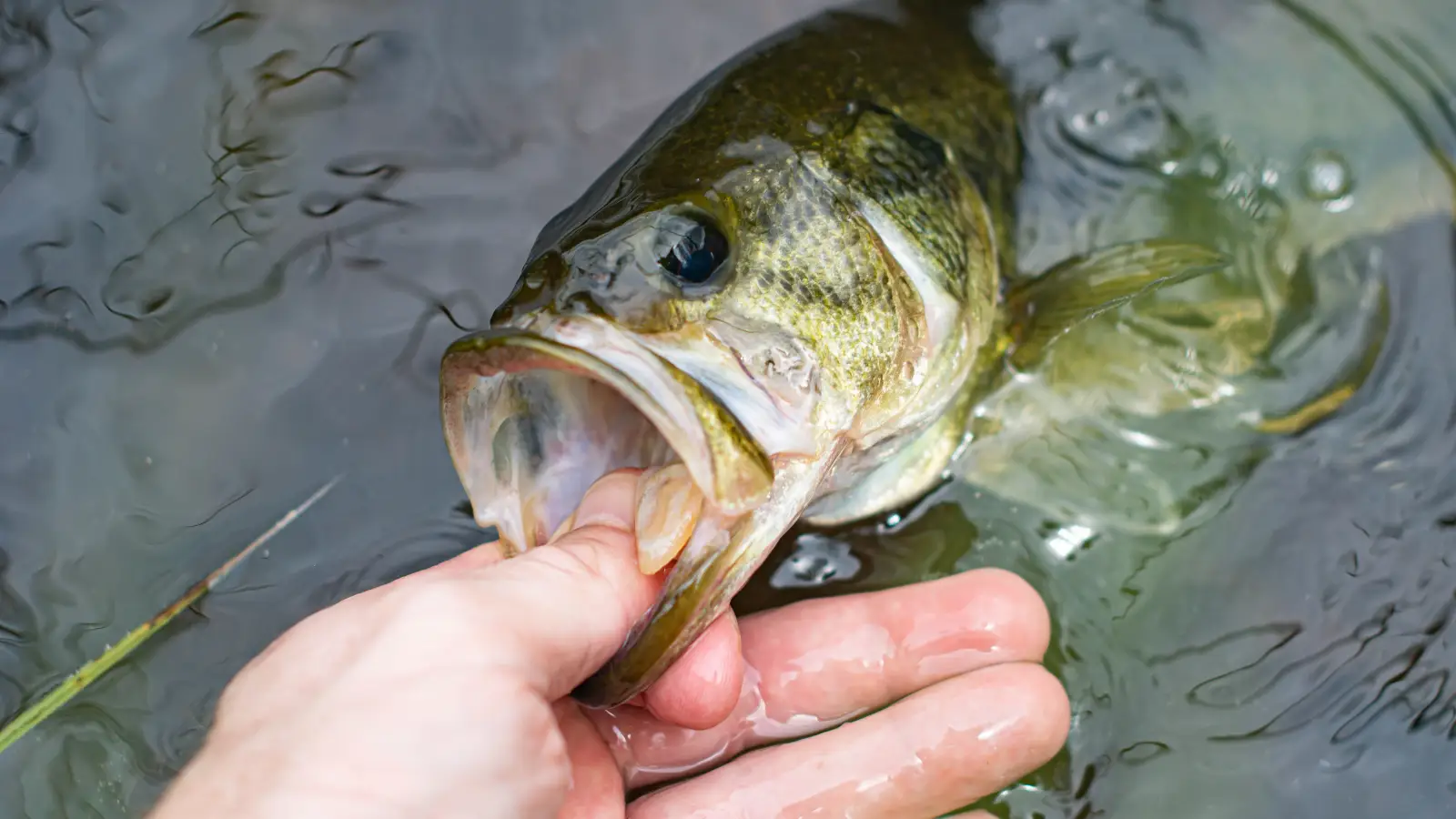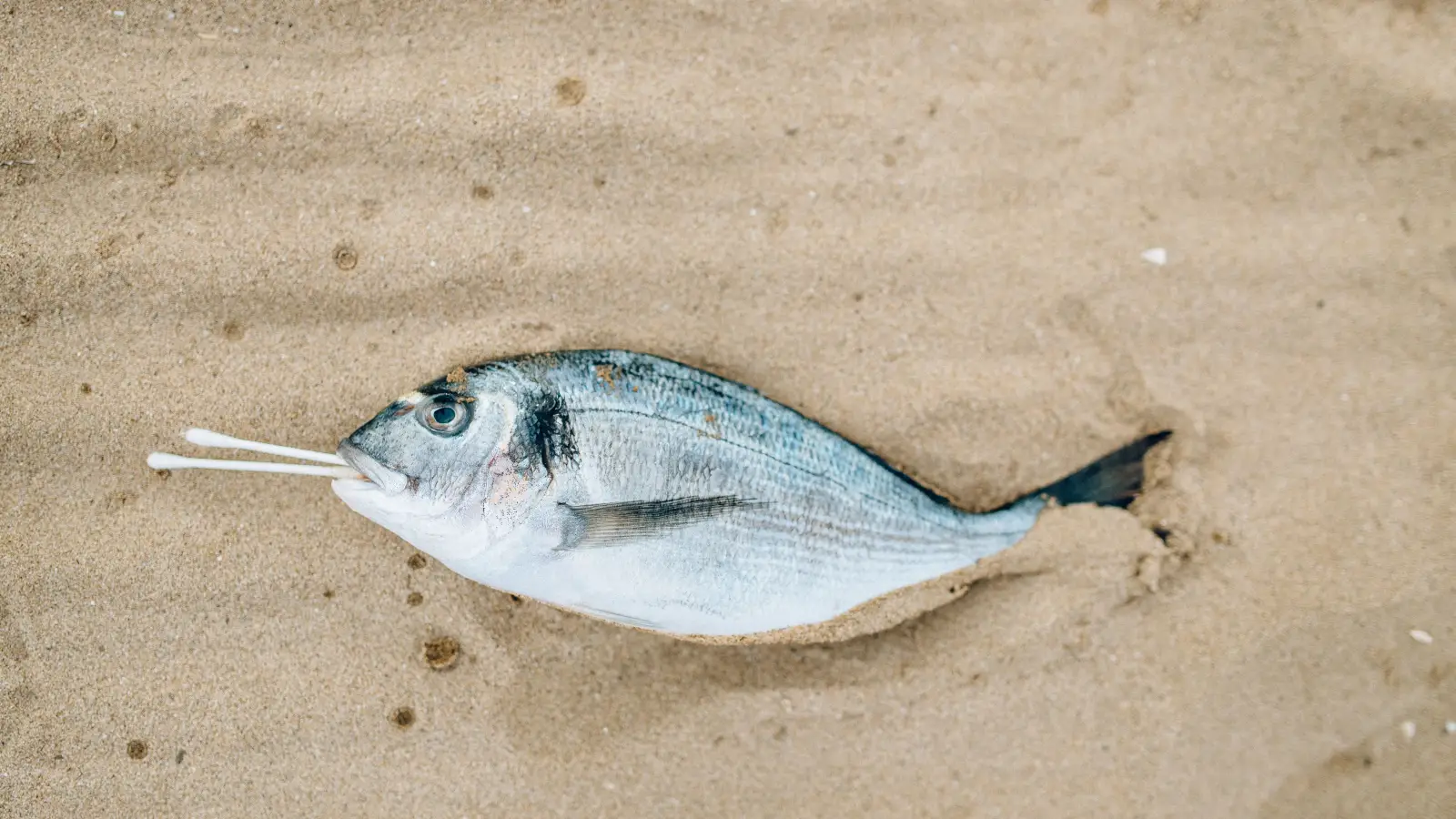
A fish floating motionless at the surface, gill covers still, is not a lost cause. What it needs is water washing over its gills in the right direction—enough to flush out carbon dioxide and bring in fresh oxygen. That straightforward intervention, not any superstitious back-and-forth motion, gives the fish its best shot at swimming away.
What a Full Recovery Looks Like
After a proper revival, the fish will be upright in the water, its opercula fluttering in a steady rhythm. It will swim off on its own without a hint of drift or sinking. That single moment is the only dependable sign the revival succeeded. If the fish lists, sinks, or needs a push, it still needs water moving over its gills.
The Revival Checklist
- Support the fish upright with a gentle belly hold, without pressing on the gills or heart.
- Identify the natural water flow direction—current, gentle boat drift, or the path you create by moving the fish.
- Open the mouth just enough to allow water in, without forcing it wide.
- Glide the fish forward in slow, steady pushes; never move it side to side.
- Watch for the first opercular flutter (a tiny gill cover twitch).
- If the fish stays unresponsive after 60–90 seconds, adjust speed and angle to match the species.
- Release only after the fish kicks away on its own.
Checklist Items Explained
Support the Fish Upright Without Squeezing
A limp fish cannot keep itself oriented. Cradle the belly with wet hands, letting the fish hang in its natural swimming posture. Avoid gripping the tail or squeezing the body—both add stress and can damage tissue. The most common misstep is holding a fish by the jaw or tail; that pinches the body and undercuts the support the gills need to work. This gentle hold stays in place for the full revival, often 1–3 minutes.
Set the Water Flow Direction for Oxygen Exchange
Gills extract oxygen only when water moves front to back—exactly the way it does when a fish swims. In moving water, point the fish upstream. In still water, create flow by slowly moving the fish forward through the water, or use the subtle drift of a boat. Getting this right takes only a few seconds, but many anglers miss it: they sweep the fish in circles or push water backward over the gills, which reverses the natural flow and stalls recovery completely.
Open the Mouth Just Enough for Water to Enter
When the mouth is clamped shut, water cannot reach the gills. Gently pull down the lower jaw a few millimeters—no more than the small gap the fish uses for normal breathing. This step takes a moment. The number-one error is prying the mouth wide open; that can dislocate the jaw and does nothing to improve flow. A slight opening combined with a forward push is all that’s needed.
Glide Forward—Never Swing Side to Side
The back-and-forth revival method isn’t just folklore; it actively works against oxygen uptake. Each sideways sweep reverses water flow, confusing the delicate gill filaments and preventing any meaningful exchange. Instead, hold the fish steady and push it forward in one smooth, sustained glide of roughly 2–3 feet per second, then pause. Repeat. This rhythmic forward motion mimics a weak swimming stroke and often takes 1–3 minutes to kickstart breathing. The common mistake is treating the fish like a pendulum—if the tail wags but the gill covers stay motionless, you’re only delaying recovery.
Watch for the First Gill Flutter
The earliest sign of life is not a thrash. It is a tiny twitch of the operculum, the bony gill cover. That flutter means the fish is beginning to pump water on its own. Keep supporting the body and ease up on the forward movement so the fish can take over. If no flutter appears after 90 seconds, increase the water speed a notch. A frequent error is letting go the moment a tail twitches; the fish may still be in deep oxygen debt and will sink.
Adjust Your Approach by Species When the Fish Stays Unresponsive
Different fish have different gill area, cold tolerance, and slime coat sensitivity. A trout in warm water needs cold, steady flow and hardly any handling—warm hands strip the protective slime and open the door to fungal infections later. A bass or bluegill often responds to a slower, longer forward glide and tolerates a gentler hold. Large predators like pike or muskie need deeper water for proper oxygenation; trying to revive them in the shallows where the gills can’t fully open often fails. Time varies, but if a fish shows no gill movement after 4–5 minutes with species-appropriate flow, the chance of recovery drops sharply. The mistake is treating every fish the same, especially when an unconscious fish needs water speed and temperature tailored to its physiology.
Release Only After the Fish Powers Away
A revived fish should never be tossed. Once gill movement is steady and the body sits upright, open your hands slowly. The fish must kick its tail and swim away without any help. If it drifts sideways, sinks, or hesitates, keep up the water-flow support. Releasing too early—or throwing the fish—almost guarantees it will fail to recover completely.
Final Check: Is the Fish Truly Ready?
- The gill covers are moving in a regular rhythm.
- The fish holds itself upright in the water.
- There is no listing, sinking, or rolling.
- The fish swam away under its own power after you opened your hands.
Frequently Asked Questions
Can a fish really come back after appearing completely lifeless?
Yes. A fish that is limp, floating belly-up, and not moving its gills can still recover if oxygen debt hasn’t caused irreversible brain damage. Revival restarts the respiratory chain by forcing water over the gills, often within a couple of minutes.
How long can a fish be out of water before revival becomes impossible?
There is no single number because air exposure tolerance varies by species and water temperature. Warmwater fish may survive several minutes; coldwater species like trout often have less than a minute before damage begins. Revival chances drop significantly after 3–5 minutes of air exposure, but the only way to know is to try, starting the water-flow routine immediately.
Why does the direction of water flow matter so much?
Gill filaments are built for one-way flow: water must enter the mouth and pass over the gills from front to back to maximize oxygen transfer. Reversing the flow, as in the side-to-side method, collapses the delicate lamellae and makes it nearly impossible to pull oxygen out of the water.
Is the back-and-forth technique just as effective?
No. It is worse. The back-and-forth motion creates chaotic, multi-directional water flow that prevents any sustained oxygen exchange. It also stresses the fish further. A steady forward glide is what works.
What should I do if the fish still isn’t breathing after several minutes?
First, double-check that the mouth is open and water is definitely passing over the gills. Then adjust speed and angle—some fish respond to a slightly faster push, others to a slower drift. If the water is warm, try moving to a cooler, deeper spot. After 4–5 minutes with no gill movement, the chance of recovery is low, but keep trying until you’re sure.
Can I just pour water over the gills from a bottle instead of moving the fish?
Pouring water from a bottle can help if it is directed front-to-back over the gills, but it rarely creates sustained, even flow long enough to restart breathing on its own. It is better than nothing when you can’t move the fish, but the forward glide method is far more reliable.
The Next Revival Faster
When a fish kicks away on its own, the effort was worth it. To make future revivals quicker, have a plan before you even land the fish: know how you’ll create water flow, keep a hook remover or pliers within reach, and minimize air exposure to seconds, not minutes. That readiness trims the most time off the whole process and gives every fish its best chance.