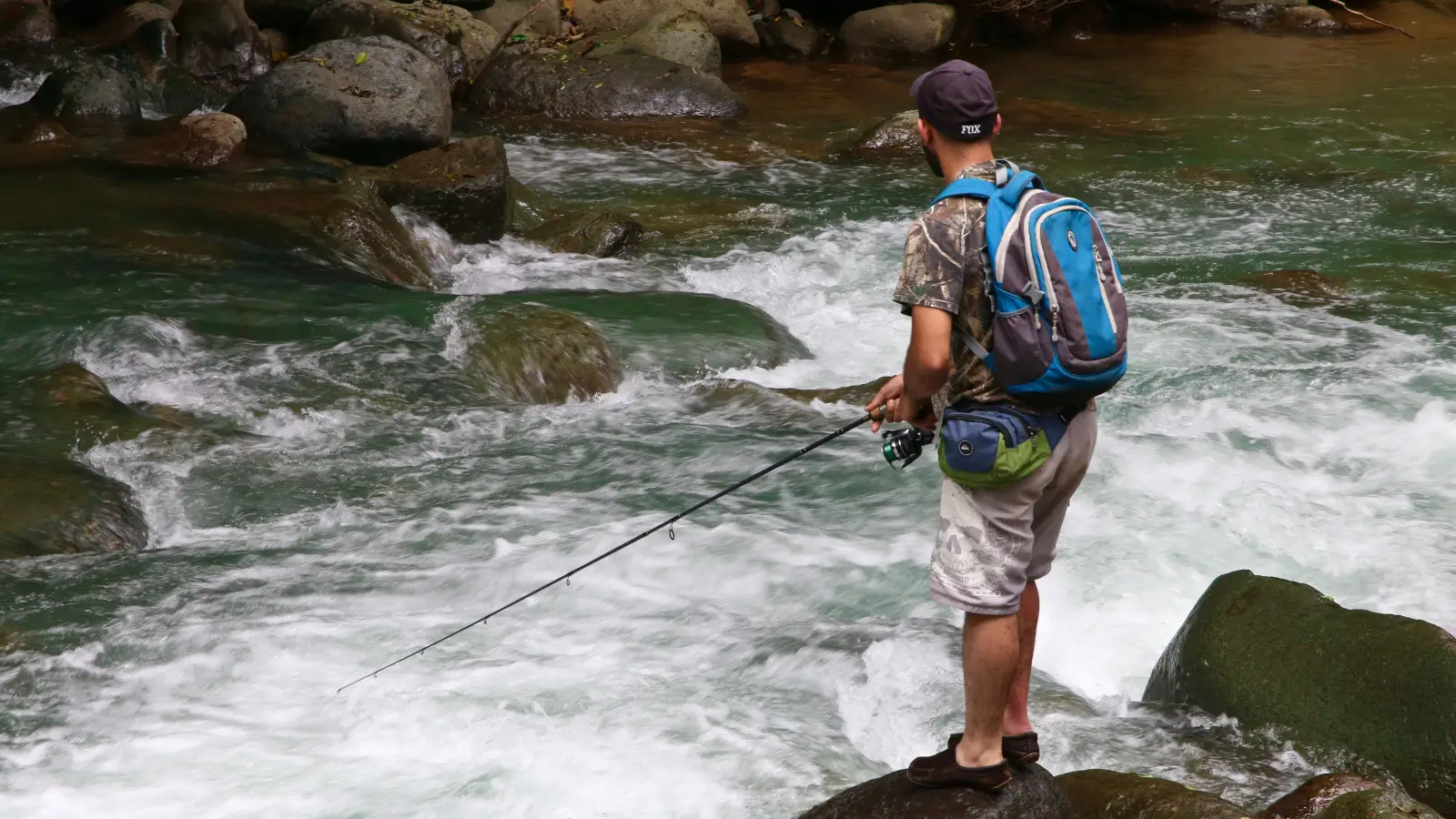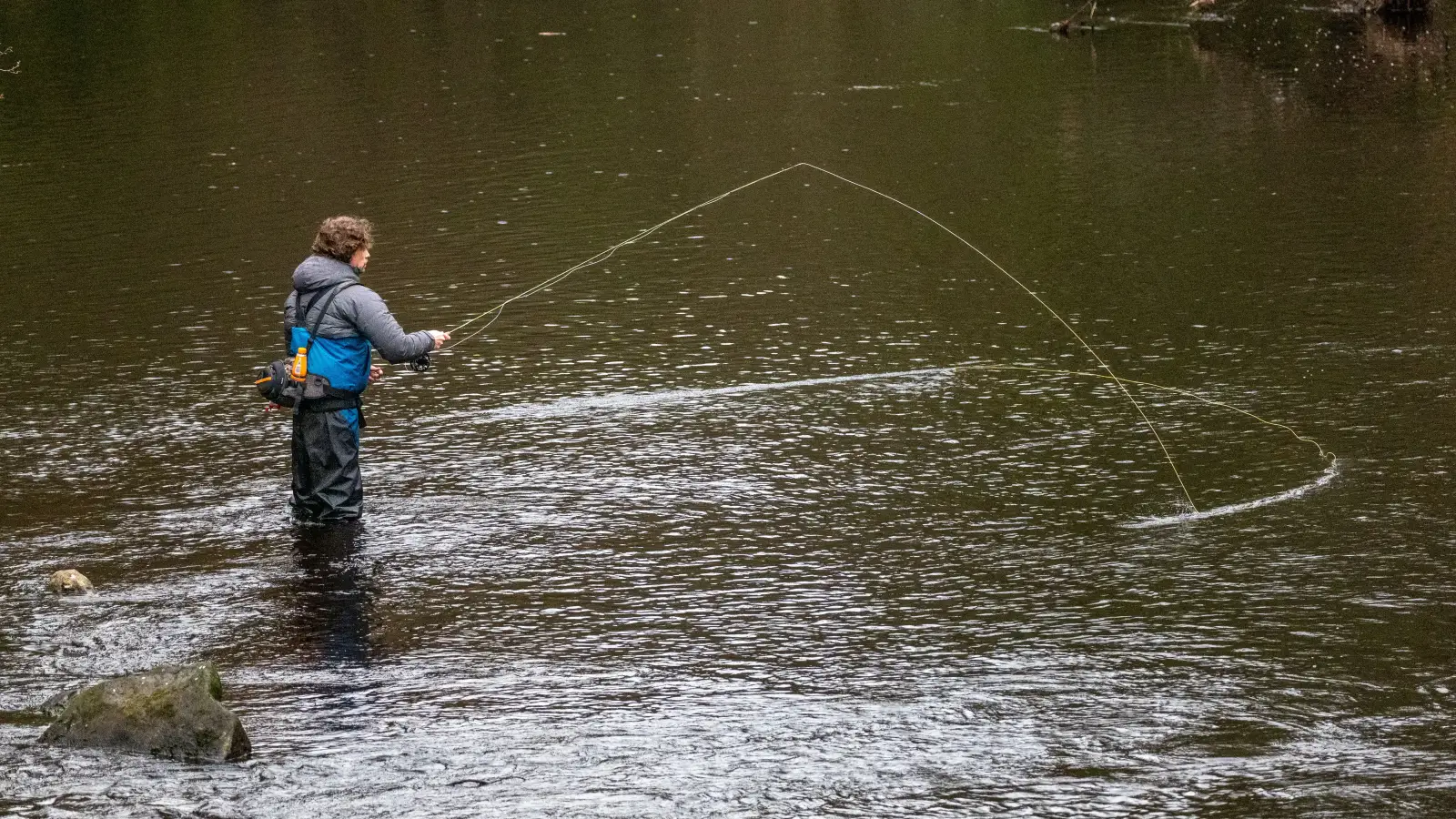
You know that sinking feeling when the fish just won’t eat, even though everything looks right. In almost every case, the problem is drag—the line pulling the fly or bait at an unnatural speed. The solution is mending and speed control, skills that work the same way whether you’re holding a fly rod or a spinning outfit. Once you understand how to match the current’s drift, those refusals turn into takes.
6 Steps to a Drag-Free Drift
- Read the water to find a feeding lane and estimate current speed.
- Position yourself across and slightly upstream so your cast lands above the target zone.
- Cast at an upstream angle and immediately mend line to remove any bow.
- Feed extra slack or hold back line to match the drift speed as the current changes.
- Watch the indicator, line tip, or float for any pause, hesitation, or sideways movement.
- Set the hook with a firm lift—not a hard strike—on the slightest suspicious movement.
Make Your Presentation Irresistible: Mending and Speed for Any Rod
First, Read the Water Like a Trout
Before any cast, study the current. Seams between fast and slow water concentrate drifting food, and fish hold in the slower water next to them. Watch how bubbles and floating debris travel to gauge the natural drift speed. If the surface is broken, focus on the line where faster ripples meet smoother slicks. That’s the seam you’ll target. Trout see a morsel moving at the exact pace of the current as safe and familiar—you want to match that exactly.
Cast So the Drift Starts Clean
Position yourself upstream and across from the target lane. For a fly rod, make a reach cast that lays the line upstream of the fly as it lands, or plan to mend immediately. For spinning gear, cast past the mark and let the bait or float land just upstream. The goal is to land the offering first, with the line following in a way that won't immediately pull it. If you’re using a strike indicator on either setup, aim so the indicator touches down first, giving the fly or bait a moment to sink before any line tension builds.
Mending for Fly Anglers vs. Spin Fishermen
The way you remove drag depends on your gear, but the goal is identical: keep the line from pulling the fly unnaturally.
Fly fishing: Fly line floats and is thick enough to sit on the surface. Mending means using the rod tip to flip a curve of line upstream after the cast. This prevents the line from being caught by faster current and pulling the fly. You can repeatedly mend as the drift progresses.
Spinning gear: Monofilament and braid sink quickly, so surface mending only works if a float or indicator keeps the line up. To mend with a spinning rod, raise the rod tip high to lift line off the water, then sweep the tip upstream to reposition the float and the line behind it. When you’re fishing without a float—such as tight-lining a nymph or drifting bait on the bottom—speed control becomes a function of how you feed line. An open bail lets you release line at the same pace as the drift, while a high rod tip keeps the line nearly vertical, minimizing the amount of line touching the current.
Keep the Speed Right All the Way Through
As the drift progresses, the current speed often changes—your fly or bait might hit a slower pocket or accelerate through a chute. You must constantly adjust.
On a fly rod, mend again whenever you see a belly forming downstream. With spinning gear, if you’re using an indicator, mend the same way. If you’re fishing without one, adjust by controlling the rate you strip line from the spool or by raising and lowering the rod tip to change the angle of line entry. The key is to feel the connection without applying tension; the line should be just taut enough that you can detect a strike, but not so tight that it pulls the offering.
How to Feel the Strike Before You See It
Strikes on a dead-drift are usually subtle. The indicator may pause, dip, or move sideways. Your fly line tip might twitch or straighten. With spinning gear, watch the line where it enters the water—if it stops drifting or moves upstream, set the hook. That’s the fish telling you it’s time.
Set the hook with a firm upward lift, not a violent strike. You’re simply closing the distance and removing any remaining slack. If you miss a fish, wait a split second longer next time; sometimes the fish hasn’t fully taken the bait.
What a Drift-Free Presentation Looks Like
- The indicator or float travels at exactly the speed of a nearby bubble.
- No V-shaped wake forms behind the indicator or line.
- The line between rod tip and indicator stays straight with no belly dragging in the current.
- The fly or bait appears to tumble freely, not skid across the water.
Quick Fixes When the Drift Drags
- Drag appears right away: Mend more aggressively. Pick up more line and throw it farther upstream. If that doesn’t work, move your position closer to the seam.
- The indicator dives or skids: Too much weight is making the rig sink too fast or catch bottom. Remove a split shot or switch to a lighter fly.
- You get takes but can’t hook up: Set the hook sooner and more gently. The fish may be short-striking or spitting the fly before you react. Watch the indicator like a hawk.
- A belly forms during the drift: You’re not mending enough. With a spinning rod, you may need to lift the rod high earlier or feed line more smoothly. On a fly rod, use a shorter mending stroke.
What Comes After a Perfect Dead-Drift
Mastering the dead-drift turns a dragged presentation into a natural-looking meal. Your next step is to spend a few minutes observing a stretch of water without casting—pick out the seams and watch how the current moves. Once you can predict where a drifting fly will go, you’ll know exactly where to place your cast every time.
FAQ: Dead-Drifting with Fly and Spinning Gear
Can I dead-drift without an indicator?
Absolutely. Tight-line nymphing or high-sticking with a fly rod keeps you in direct contact. With spinning gear, you can watch the rod tip or the line where it enters the water. It requires more feel, but fish often take a non-indicator presentation more confidently in clear water.
Why does my fly drag even after mending?
Surface currents are rarely uniform. If the line lands in a faster seam, it will pull on the fly. Mend upstream as soon as the line touches down, and keep mending as the drift progresses. Also, consider shortening your drift to a single seam.
How do I mend line with a spinning rod?
Lift the rod tip high to pull line off the surface, then sweep the tip upstream. A small float helps keep the line on top. For subsurface fishing without a float, you can’t mend on the surface; instead, control speed by the rate you feed line from an open bail and keep the rod tip high.
Is dead-drifting effective with bait?
Yes. A drifted worm, minnow, or salmon egg under a float behaves like a natural food item. The same mending principles apply—remove surface drag and let the current do the work.