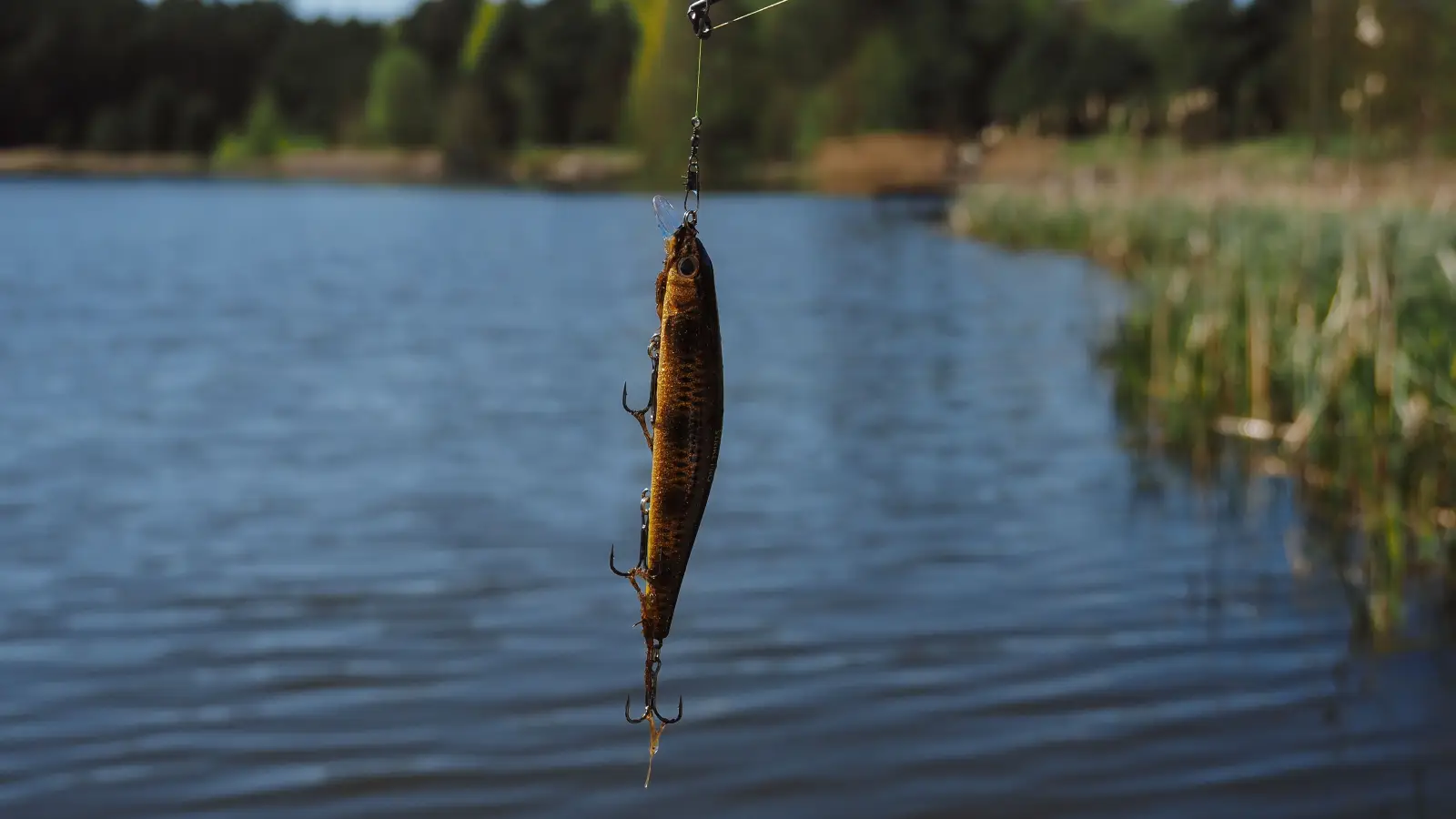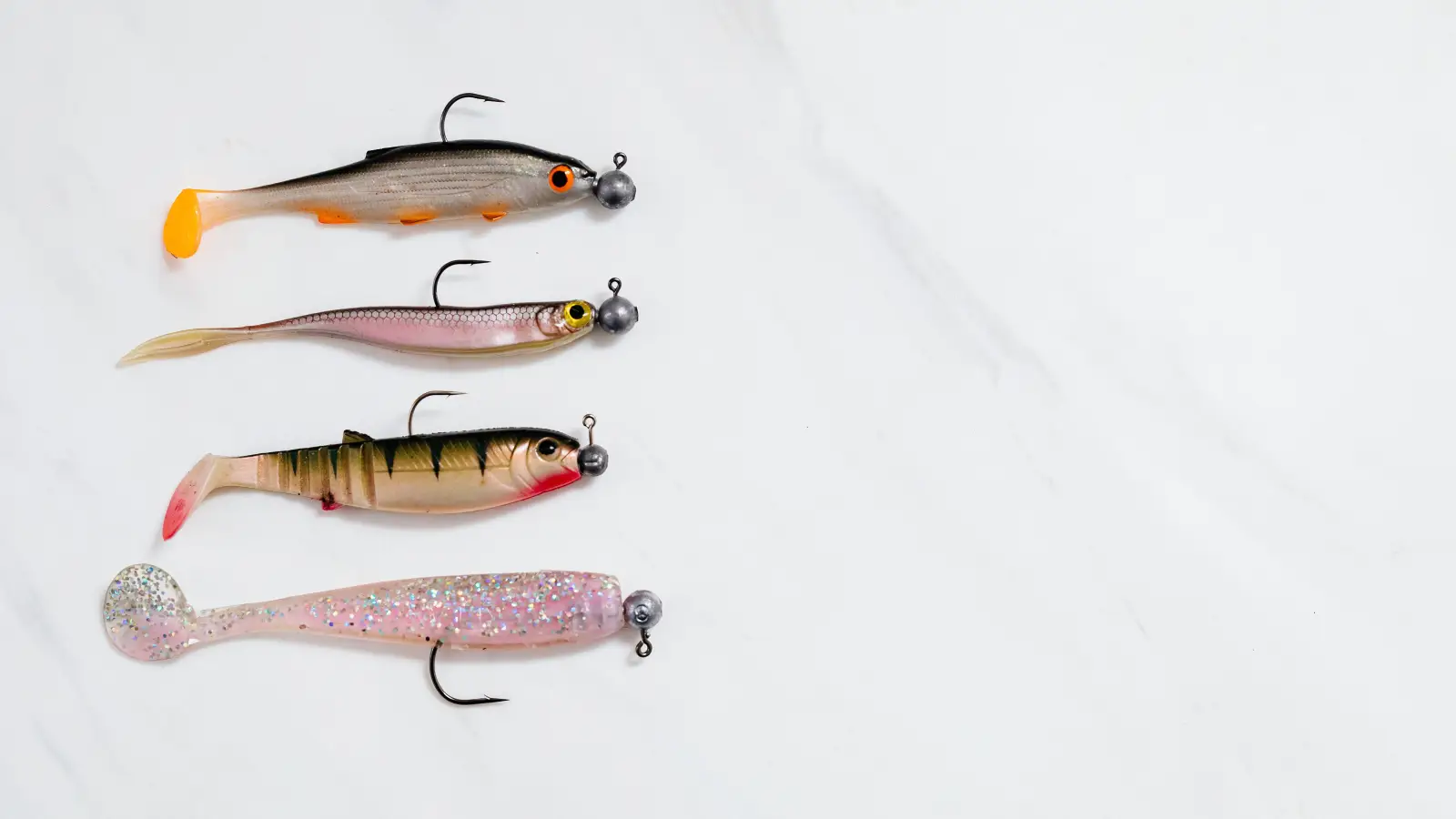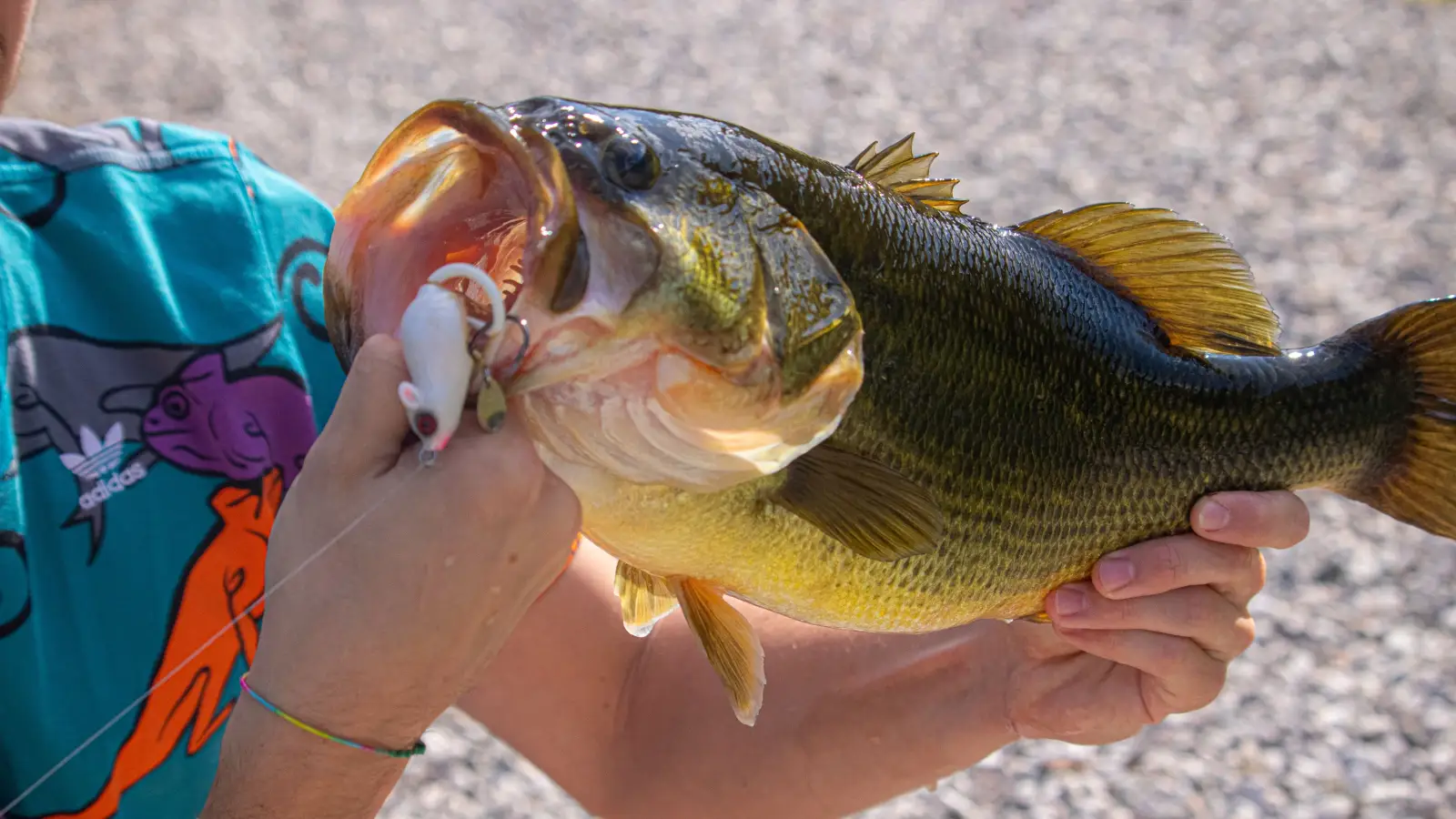
Forget which rig is "better"—better doesn't catch fish if it's not where they're eating. The Carolina rig and Texas rig are tools for two different feeding postures. Most anglers stop at "deep water = Carolina, cover = Texas," but that leaves half the decision on the table. The real difference is vertical: Carolina rig lifts a bait off the bottom when bass are looking up; Texas rig drives it into a hideout when bass are looking out from cover. Add fishing pressure and the answer tightens even more—pressured fish let a separated, gliding Carolina-rigged bait get closer before they spook, while unpressured fish in heavy weedbeds simply hit what falls into their living room. The flow chart ahead makes this automatic.
Short answer: A Carolina rig kills it when bass suspend or roam open water, where a long leader presents a natural, weightless action above a stationary sinker. A Texas rig takes over when bass wedge into cover, because the compact, pegged weight slips through without hanging up. But cross pressured fish—clear water, every angler throwing the same thing—into a moderate cover scenario, and Carolina often beats Texas because the bass have seen a thousand Texas-rig baits thump past their face and have learned to ignore it.
Verdict by Scenario
| Scenario | Winner | Why |
|---|---|---|
| Deep, open-water structure (points, humps, ledges) with fish feeding on or near bottom | Carolina rig | Keeps the bait a foot or two off bottom on a leader; slow, wide wobble with no weight near the lure looks natural to suspended or cruising fish |
| Flipping or pitching to heavy cover (grass mats, laydowns, boat docks) | Texas rig | Bullet weight pegged to the bait slides straight through cover; weedless hook and compact profile get into pockets where bass ambush |
| Slow-dragging winter or clear-water finesse presentations when fish are sluggish and pressured | Carolina rig | Weight stays on bottom while a light bait drifts naturally on a long leader, presenting without the bulky silhouette of a Texas weight |
| Skipping baits under overhangs, docks, or over weed mats | Texas rig | Carolina rig's long leader and swivel make skipping nearly impossible; Texas rig's one-piece package skips effortlessly |
| Bite detection in deep water with strong current or wind | Carolina rig | The free-sliding sinker transmits bottom composition changes and soft bites, while a Texas weight can mask a pickup if bass aren't aggressive |
When Bass Are Suspended or Cruising Open Water, Throw the Carolina Rig
Bass that back off a ledge or hang over a deep point are looking up and moving in the water column. A Carolina rig with a 1/2- to 1-ounce egg sinker dragging bottom and a 2- to 3-foot leader with a fluke, lizard, or creature bait lifts that plastic into their strike zone and keeps it there longer than any nose-weighted Texas bait. The separated weight lets the lure float, wobble, and fall at its own speed—a motion that pressured, clear-water bass examine before eating. A Texas rig's weight attached to the nose yanks the bait straight down; in open water, that looks mechanized and unnatural.
The cost: you can't place this rig into a tight spot. The long leader swings in an arc; flipping it to a two-foot gap in the grass is a fantasy. You also lose direct feel—when a bass inhales the bait, you sense the weight dragging first, then a heartbeat later the hook. In stained water or low light, that delay leads to missed fish.
When Bass Are Buried in Cover, the Texas Rig Owns the Entry
Bass stuffed under a mat of hydrilla, tucked behind a cypress knee, or tucked under a dock's walkway don't chase. You have to deliver the bait to their doorstep. The Texas rig, with a weight pegged tightly against the hook and a compact beaver or craw bait, punches straight through. The bullet shape parts vegetation and deflects off wood; the rig falls vertically into holes without snagging. In high-traffic areas, bass get conditioned to the sound of a bait crashing through cover—it cues them. The Texas rig creates that entry better than any long-leader setup ever can.
Trade-off: the bait lives on the bottom. It doesn't hover or suspend; it bumps and pops along. In gin-clear water where bass are eyeing suspended shad, a bottom-bound Texas plastic looks lost. On slow days in open basins, a Carolina rig's wide-swinging, bead-clicking presentation calls fish from farther away because of its larger visual profile and noise.
What You Can Stop Worrying About
Stop comparing these factors. The difference is either nonexistent or too slight to steer a decision away from the real priorities above.
- Hookup ratio on identical soft plastics: Same worm, same hook size, similar hookup percentages. The Carolina rig's leader doesn't cause a meaningful number of misses if you take up slack before setting the hook. The Texas rig's buried hook point pops free on a firm swing. Don't let this distract you.
- How far you can cast with the same total weight: A 3/4-ounce Carolina and a 3/4-ounce Texas rig fly roughly the same distance. The Carolina might edge out a few feet because the weight flies cleanly ahead, but that's not decisive. Choose based on presentation, not hurling distance.
- Difficulty of tying on: A Carolina rig adds 30 seconds of tying a leader and adding a swivel. If that's a factor, you're not focused on the right things. After a few trips, it's muscle memory.
The Non-Negotiables: When You Physically Cannot Use One Rig
These aren't preferences. They're mechanical limits. When you hit one of these, the choice is made for you.
Can't Skip? Carolina Rig Is Off the Table
The swivel, long leader, and sliding sinker tangle the moment they touch the water on a skip cast. If you need to slide a bait under a dock with two feet of overhead clearance or into a pocket behind overhanging branches, put the Carolina rig down. A Texas rig or a jig is the only option.
Need a Suspended Fall in Deep, Open Water? Texas Rig Won't Do It
When bass are 10 feet down over 40 feet of water and won't chase bottom contact, a Texas rig's weight drags the bait straight to the lake floor. You can downsize the weight, but then you lose distance and bottom feedback. A Carolina rig separates the two: the weight goes to bottom fast, the bait drifts down slowly, hanging in the strike zone those extra seconds while a suspended fish decides. In that one scenario, the Texas rig's single-piece construction is a deal-breaker.
Pricing: Don't Let Cost Be a Factor
Hardware for either rig costs pocket change. A season's worth of bullet weights, swivels, beads, and leader material for both rigs lands under $20. Rod and reel setups cross over well enough for most weight ranges. Put your money into sharp hooks and high-quality soft plastics—the terminal tackle isn't where the bite is won or lost.
FAQ
Can a Carolina rig handle scattered grass and isolated stumps?
Yes, up to a point. Sparse cover won't hang up a Carolina rig as often as a thick mat, but the swivel and leader still grab strands and find wood. It'll work, but you'll pick off gunk more than with a Texas rig. Keep both rigs on deck so you're not wasting time cleaning the bait.
Which rig should a new bass angler learn first?
The Texas rig. It's simpler, completely weedless, and gives direct feedback—you feel the weight, then the bite. That teaches strike detection fundamentals. A Carolina rig's indirect sensation is a skill you layer on after you've learned what a bass inhale feels like.
Does fishing pressure really swing the decision between these two rigs?
It absolutely does. Bass on heavily pressured lakes see hundreds of Texas-rigged baits daily. A Carolina rig's separated, free-moving action and the noise of a bead clicking against the weight offer a profile and sound they haven't been conditioned to ignore. On clear-water fisheries, the difference is stark—a Carolina rig can trigger strikes when Texas baits get inspected and rejected. That one detail flips a scenario from "Texas wins because of cover" to "Carolina wins because of pressure."
Can one rod handle both rigs effectively?
A 7-foot to 7-foot-3-inch medium-heavy fast-action rod works for both, but you'll make a small compromise. For Carolina rigging, a longer rod (7-foot-6 or more) takes up the leader slack faster on the hookset. For Texas rig flipping, a shorter, stouter rod drives the hook home in tight quarters. One rod does it, but two dedicated sticks optimize each job.
The most common scenario in pressured waters across the US—bass holding tight to cover in 10 feet or less—belongs to the Texas rig. To decide between these two rigs every time you hit the water, ask yourself one question: where are the bass eyes relative to the bottom—are they looking up for a meal drifting by, or are they looking out from an ambush point?