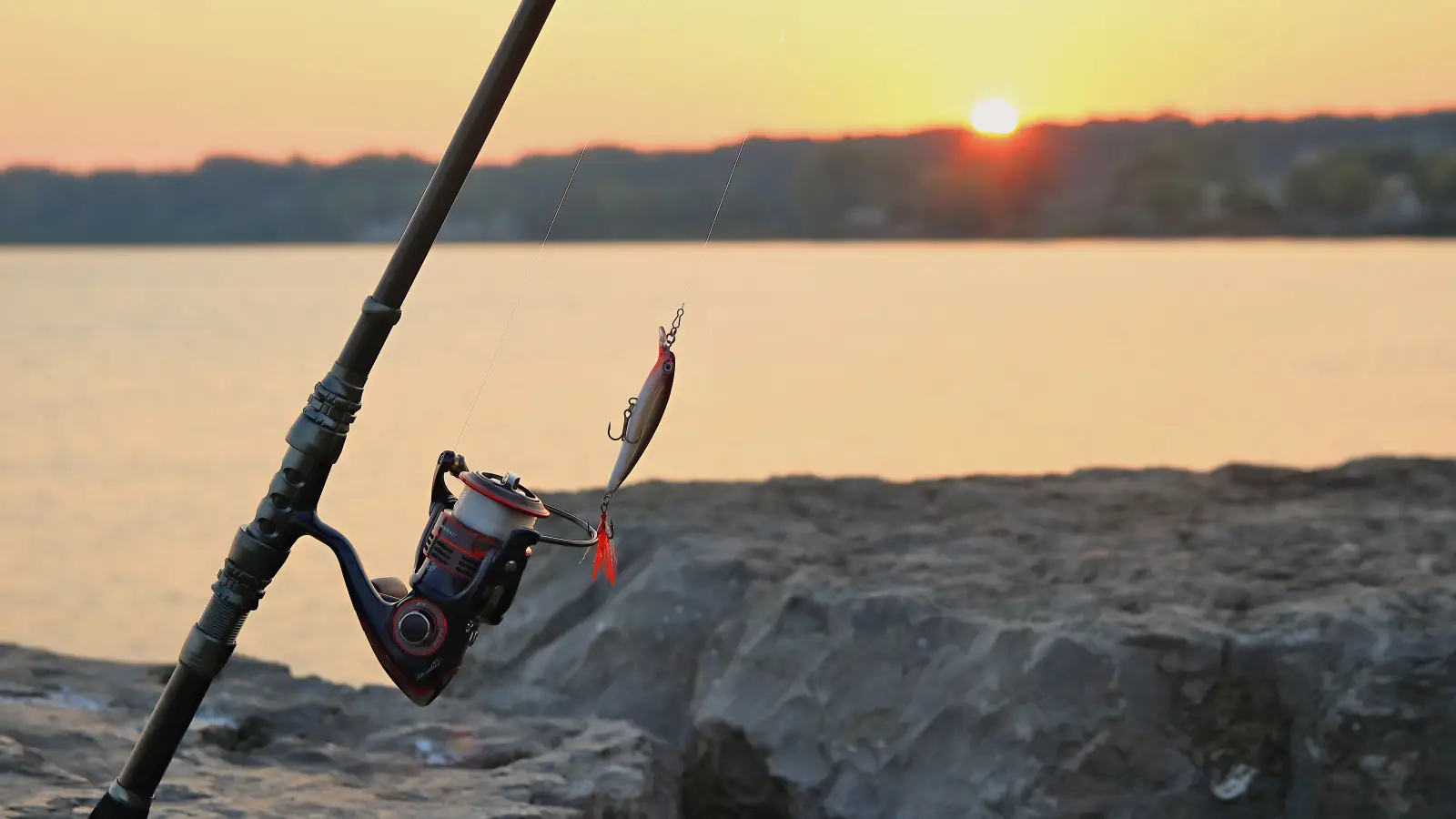
An instructor diagnosing a student’s topwater problem doesn’t start by explaining walking versus popping. They stand behind the student, watch the retrieve, and wait for the surface to give up a clue. In clear water, if the bait skips and spits without a bubble trail, the fish see a panicked reaction, not a vulnerable meal. That’s a walk-the-dog situation. In stained chop where nothing reacts, the splash is too small to register—that’s a popping situation. The water’s feedback determines which retrieve to teach first.
Which retrieve matches the problem in front of you?
| Scenario | Winner | Why |
|---|---|---|
| Fish are trailing but not eating | Walking | The side-to-side glide looks like a wounded baitfish pausing—predators crush it when they think they've cornered it. |
| Wind chop is hiding your bait | Popping | The splash and bubble trail turn a visual search into an audible one, letting fish find it without clear sight. |
| You need to cover a lot of water fast | Popping | The steady chug creates a consistent sound footprint that pulls fish from greater distances as you move. |
| The bite is soft and follow-ups are short | Walking | A walk-the-dog cadenza keeps the bait in a small strike zone longer, giving hesitant fish more time to commit. |
| Heavy cover limits your rod stroke | Walking | A short, rhythmic twitch keeps the bait dancing without requiring a long popping stroke that snags nearby brush. |
When following fish won’t open their mouths
A student casts a popper, gets a swirl, then pops harder. The instructor sees the mistake instantly: the fish investigated a commotion but didn’t like what it saw, and increasing the noise doubles down on the wrong cue. A topwater follow signals that the bait was found but rejected on approach. The right fix is to make the bait look less frantic, more injured.
Walking the dog does this by replacing the splash with a calculated glide. Each short rod twitch swings the lure’s nose left, then the next swings it right, creating a tight zigzag that barely moves forward. The sound is a quiet clack or slosh, not a surface explosion. A trailing bass sees a baitfish that appears to have lost its bearings—an easy target worth committing to. The pause between twitches is when most strikes happen; the fish interprets stillness as a moment to strike.
What you give up: walking retrieves eat distance. The bait advances perhaps a few inches per cycle, so you’ll need more casts to search a flat. In heavy wind or dirty water where a bait must announce its presence over distance, a walk will go unnoticed. But when fish are already on the bait and just need the final yes, walking is the precise tool.
When you can’t buy a look even in prime water
The instructor checks the surface first. A ripple pattern that breaks up light means the bait’s visual signature is already compromised. A subtle walk-the-dog becomes effectively invisible to fish holding 20 feet away. The problem isn’t the retrieve—it’s that no predator detected the bait at all.
Popping solves the detection problem. A sharp downward rod tip snap drives the lure’s cupped mouth into the water, throwing a spray and generating a low-frequency “bloop” that registers in the lateral line even in murky water. The cadence matters: pop, pause long enough for the splash rings to spread, reel in slack, pop again. Fish home in on that sound pattern and often strike during the pause, not during the pop itself. The retrieve is a beacon, not a stealth approach.
What you give up: the same noise that summons fish from a distance will spook them in calm, clear conditions. Popping also moves the bait forward steadily—no side-to-side hesitation—so it leaves a strike zone faster. If a bass is already inspecting the bait but is tentative, a sudden loud pop can trigger flight instead of a bite. The method’s strength becomes a liability when the water is glassy and the fish are pressured.
Aspects where the difference doesn’t matter
These get overanalyzed. Stop.
Rod and line: Medium-heavy casting rods from about 6’6” to 7’2” with 12–17 lb mono or copoly handle both retrieves. Braid helps with long-distance hooksets, but that’s a line consideration, not a retrieve one.
Hookset timing: The rule is consistent: feel resistance, then sweep the rod. Both presentations get eaten on the pause or during a direction shift. Jerking at the first splash pulls the bait away.
Fish species: Largemouth, smallmouth, stripers, and peacock bass all respond to both actions. The water’s mood—clarity, surface texture, wind speed—dictates the retrieve, not the fish’s identity.
The factor that forces your hand
Walk-the-dog is non-negotiable if… you have a lure that physically cannot walk. A true popper with a steep cupped face will not glide side-to-side; forcing it produces an erratic bob that spooks fish. The bait must have a flat or gently rounded nose and a balanced profile that pivots on the retrieve—a spook-style or pencil bait.
Popping is non-negotiable if… the water is choked with floating vegetation. Each pop drives the bait’s nose down and forward, burying treble hooks in pads. A walking bait with hooks riding upward stays cleaner in slop. If you can’t avoid loading the lure with weeds on every cast, the pop is out.
Common questions from new topwater anglers
Can I walk the dog with a popper?
Most poppers are not built to walk. Their cupped mouth is designed to catch water and throw it forward, not to pivot side to side. Some hybrid designs blur the line, but if the face is a steep scoop, walk attempts just create an irregular splashing that alarms fish. Stick to elongated, flat-nosed baits for walking.
Do I need a different rod for walking vs. popping?
No special rod is required. The same fast-action medium-heavy baitcasting rod that snaps a popper will execute the shorter, sharper twitches of walking. If anything, a rod with a slightly softer tip can prevent beginners from over-powering the walking cadence and making the bait lurch instead of glide.
Which retrieve is better for striped bass in saltwater?
In rough open water, popping tends to outperform walking because the low-frequency sound cuts through wind noise and wave turbulence. Walking baits can work in calm estuaries but lose effectiveness when the surface is broken. Choose the retrieve based on the water’s surface condition, not the species name.
The quickest way to decide
The most common beginner scenario—a calm lake with bass tracking but not committing—belongs to the walk-the-dog retrieve. Before your next cast, ask: Is the water asking for a splash that announces me, or a bubble trail that says I’m already hurt? The answer points to the retrieve the fish are currently reading.