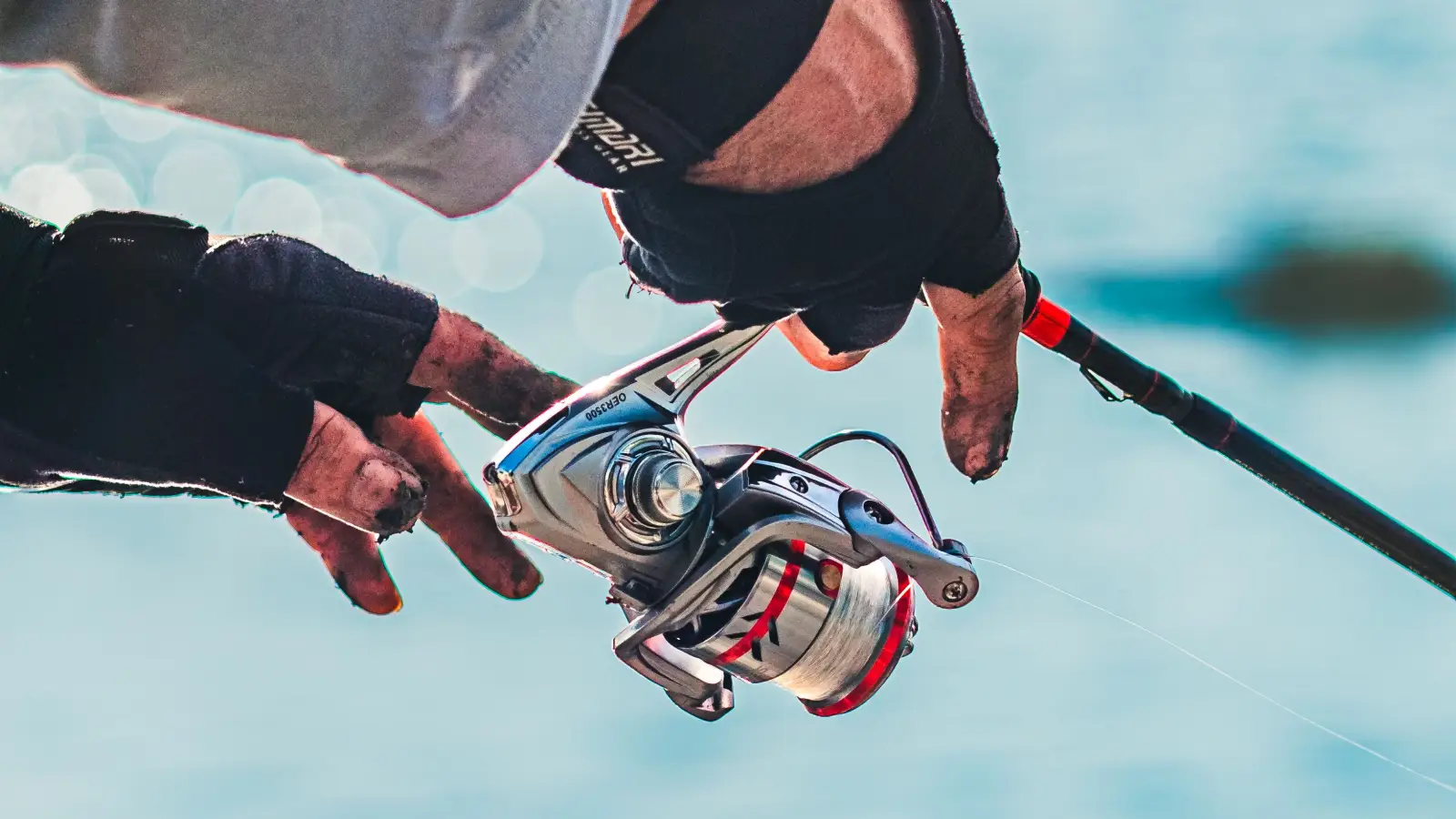
A backlash starts because the spool spins faster than the line can leave the reel. That mismatch is always traceable to spool tension, brake setting, or the way the cast accelerates the spool. None of those failures can be fixed by just pressing harder with a thumb. The thumb reacts after the overrun; it does nothing to prevent the overrun itself.
Diagnosing which of the three systems is out of balance depends on when the backlash appears. If the line loops off immediately, spool tension is almost certainly too light. If a fluff forms halfway through the cast, the brakes cannot control the spool speed once the initial surge passes. If the tangle waits until after the lure hits the water, the spool is allowed to coast—usually because tension is too low, though a jerky ending to the stroke can leave excess momentum too. This article walks through a methodical, three-pattern diagnosis so you isolate the cause and tune the reel accordingly.
Three Backlash Patterns That Reveal Your Setup Problem
Before adjusting anything, compare what you see to these patterns:
- The Instant Overrun — loose line flies off the spool before the lure has gone ten feet. Backlash occurs at the very start of the cast.
- The Mid-Cast Fluff — the cast looks clean at first, then a loop of line balloons out mid-flight and tangles when the lure splashes.
- The Post-Cast Nest — the cast lands normally, but the backlash appears after the lure hits the water, often found only when you start the retrieve.
Each pattern points to a different imbalance, covered next.
Pattern A: The Spool Overruns Before the Lure Travels 10 Feet
An instant overrun signals that the spool reached high speed before the line could absorb it. Spool tension is the primary check, followed by brakes and then stroke.
Spool tension is too light
How to confirm: Hold the rod at 45 degrees, release the spool, and let the lure fall to the ground. If the spool continues spinning after the lure stops, tension is insufficient. Even a tap on the rod tip that causes line to jump off indicates the same.
Fix: Tighten the spool tension knob (beside the handle) a quarter-turn at a time. Retest the drop until the lure falls slowly and the spool stops dead the instant the lure touches the ground. If an audible overrun persists, tighten further.
Expected result: The instant overrun is gone. Some casting distance may be sacrificed; brakes can be adjusted later to recover range.
Brake setting cannot handle the launch speed
How to confirm: Spool tension is set correctly, but the overrun still occurs on the first few feet of line. This happens most often with heavy lures or short, violent casts.
Fix: Increase the brake setting. Add one pin on a centrifugal reel, or turn the magnetic dial up two to three notches. Make the same cast again without changing stroke.
Expected result: The spool accelerates in step with the line demand, and the cast starts cleanly.
Casting stroke is too abrupt
How to confirm: A snappy wrist motion that jerks the rod forward causes a spool speed spike that even correct tension and brakes may not handle.
Fix: Replace the snap with a smooth, continuous sweep. Use a sidearm cast to lengthen the acceleration phase, keeping the spool from jumping to high speed at release.
Expected result: The initial release remains controlled with the same tension and brake settings.
Pattern B: A Fluff Appears Mid-Cast and Explodes at the Splash
When the first half of the cast looks stable but then a loop balloons out mid-flight, the spool is running ahead of the line after the initial acceleration. The brake setting is the main suspect.
Brake setting is too low for mid-cast spool speed
How to confirm: You can see the fluff starting several feet from the rod tip while the lure is still airborne. The spool speed outpaces the line pull.
Fix: Increase the brake force. For centrifugal dials, engage one more brake pin; for magnetic dials, turn the adjustment toward a higher number. Adjust in single increments—brake settings that are too high kill distance unnecessarily.
Expected result: The mid-cast fluff disappears and the spool decelerates naturally as the lure slows down.
Spool tension is borderline
How to confirm: A slight jump at the very start accompanies the mid-cast fluff. Tension may be just tight enough to avoid instant overrun but not enough to maintain control through the whole cast.
Fix: Tighten spool tension in small steps until the drop test yields an immediate stop on ground impact. Retest the cast.
Expected result: The fluff often shrinks or vanishes entirely, especially when paired with a small brake bump.
Casting stroke creates a late speed spike that overpowers the brake
How to confirm: The fluff appears after a sudden power application—common when punching a cast into the wind or trying to reach maximum distance.
Fix: Smooth the whole stroke. Aim for a constant pull through the forward motion, avoiding any last-instant wrist snap that would spike spool speed.
Expected result: The spool enters the mid-cast phase at a speed the brake setting can control, and the fluff stops forming.
Pattern C: The Nest Forms Only After the Lure Hits the Water
When the backlash waits until the cast is complete, the spool continues turning after line demand drops to zero. Spool tension is the first thing to check, with brakes and stroke as secondary factors.
Spool tension lets the spool coast after the cast
How to confirm: Watch the spool during and after the cast. If it keeps rotating after the lure splashes—even faintly—it is laying loose coils that tangle when you retrieve.
Fix: Tighten the spool tension knob until the spool stops the moment the lure hits. Use the drop test but also verify visually on a full cast.
Expected result: The spool stops cleanly, no post-cast tangles appear.
Brake setting allows a runaway spool in the final arc
How to confirm: Spool tension is right, yet the spool can be seen spinning after the splash. The brake is not decelerating the spool quickly enough during the final portion of the cast.
Fix: Increase the brake by one increment and observe spool behavior on the next cast.
Expected result: The spool stops promptly when the lure lands, even without extra tension.
Casting stroke leaves the spool with excess momentum
How to confirm: A hard, overhead swing that slams the rod to a stop can transfer too much energy to the spool, causing it to run on after the lure settles.
Fix: Shorten the stroke slightly and emphasize a fluid follow-through. Let the rod decelerate naturally; don’t snap it to a halt.
Expected result: The spool slows in sync with the lure and no longer overspins.
Quick Resets That Clear Most Backlash Issues
When the cause isn’t obvious right away, three baseline resets can restore predictable behavior:
- Clean and relubricate spool bearings and brake surfaces. Grit, old grease, or corrosion makes the spool react unpredictably. A freshly cleaned reel responds consistently to tension and brake adjustments.
- Reset tension and brakes to factory mid-points. Tighten spool tension until the lure barely drops, then back off lightly. Set centrifugal brakes with two pins engaged (or dial to 50%) and magnetic brakes to mid-range. This neutral starting position removes accumulated misadjustments.
- Re-spool with fresh line. Old line with memory can mimic backlash symptoms by springing off the spool even when settings are correct.
These resets are most useful on reels that haven’t been maintained for months or have been wildly adjusted. If the reel is new and was working fine before, skip this and go directly to the pattern-based diagnosis.
Pre-Cast Habits That Stop Backlashes Before They Start
To keep the three root causes in check:
- Spool tension check on every lure change. Perform the drop test each time you swap baits. A heavier or lighter lure shifts the tension requirement.
- Brake adjustment for wind and lure drag. Dial brakes up when casting into a headwind or throwing high-drag baits. Only back them down in calm conditions after stable casts confirm the reel can handle it.
- Smooth stroke practice. Spend a few minutes before fishing making controlled, short casts that emphasize fluid acceleration with zero wrist snap. That rhythm carries into the rest of the session.
Frequently Asked Questions
Why does my baitcaster backlash even with my thumb on the spool?
Thumb pressure can slow the spool once the overrun has started, but it cannot prevent the overrun. The spool accelerates in milliseconds—faster than a thumb can react. Proper mechanical settings prevent the overrun from beginning.
How tight should spool tension be for casting?
Set it so the lure drops slowly when the spool is released and the spool stops the instant the lure touches the ground. From there, you may loosen slightly for more distance only if the brakes are sufficient to handle the increased spool speed.
Do centrifugal and magnetic brakes prevent backlash differently?
Centrifugal brakes use friction shoes that engage more strongly as spool speed increases, giving consistent mid-cast control. Magnetic brakes apply a constant field that’s easy to adjust externally but may not handle sudden speed spikes as sharply. Both prevent backlashes when set for the cast.
Will heavier line stop my baitcaster from backlashing?
Heavier line creates slightly more resistance, which can mask a minor overrun, but it does not fix the underlying spool tension or brake misconfiguration. You still need the mechanical settings to be correct.
What’s the fastest way to fix a backlash on the water?
Gently pull loose loops away from the spool to identify the main snagged loop. Pick that loop clear with a fingernail or toothpick, then pull the main line free. Re-check spool tension and brakes before the next cast.
When the Backlash Won’t Quit
If systematic diagnosis doesn’t stop the overruns, collect the reel model, brake type, line specs, lure weight range, and typical wind conditions. Take that data to the reel manufacturer’s support or to a knowledgeable fishing forum where experienced users can identify model-specific quirks. Some reels are known for undersized bearings or weak factory brakes that respond well to aftermarket upgrades; those communities can suggest the right parts.