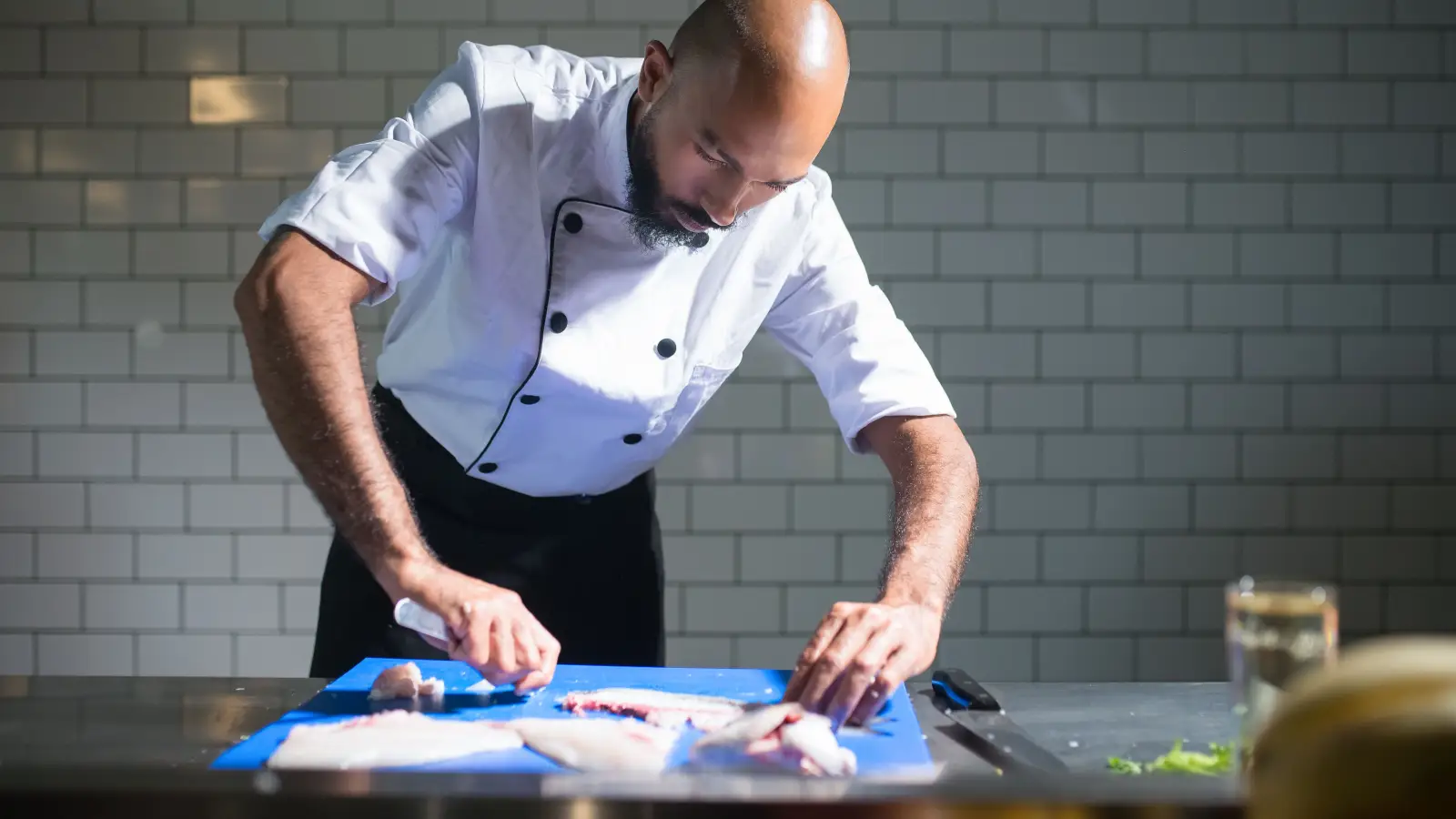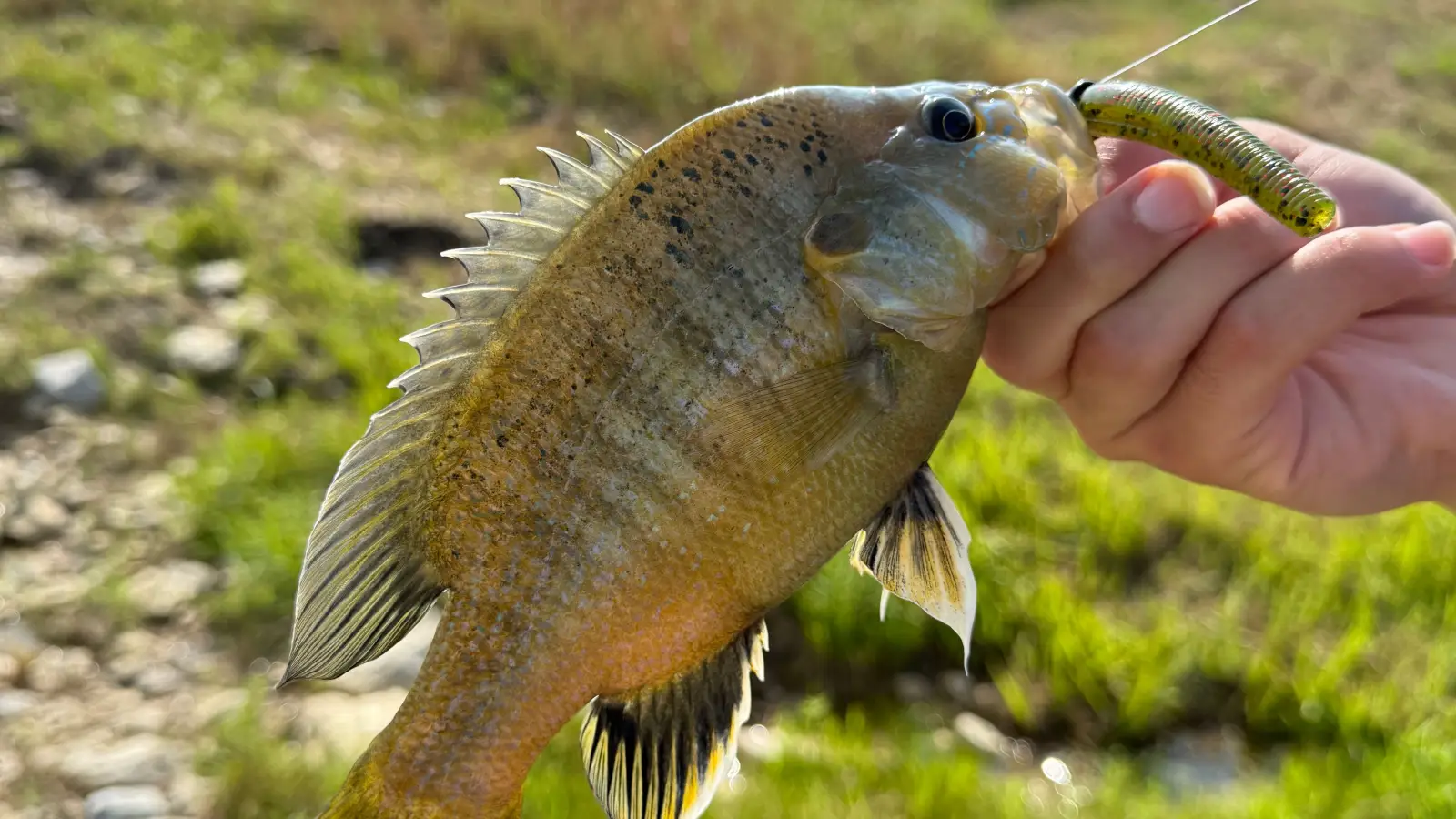
Tearing a panfish fillet isn’t a sign of poor knife skills—it’s a geometry error. When the blade angle goes vertical, the edge plows into flesh instead of shearing between skin and meat. Fix that angle, and you get clean fillets every single time. Hold the knife nearly flat against the skin, at about a 5-degree slope, and the skin peels away with zero resistance.
The payoff is a fillet with absolutely no meat left on the skin and edges as smooth as if the fish were born skinless. This isn’t about finesse; it’s about applying the right tool geometry. Once the angle is locked in, everything else is just execution.
The 5-Step Angle-Based Checklist for Tear-Free Fillets
- Place the fillet skin-side down on a flat, stable surface.
- Pin the tail end firmly with your non-dominant thumb.
- Position the blade at a 5–10 degree angle to the skin, almost flat.
- Apply light, steady pressure and draw the knife forward.
- Rock the knife slightly to keep the cutting edge parallel to the skin.
- Inspect the skin for any remaining flesh (it should be completely clean).
Lay the Fillet Skin-Down on a Solid Surface
Get the fillet flat on a smooth, non-slip board—no cooler lid, no wobbly boat bench. A stable base prevents the skin from shifting when the knife moves. It takes five seconds to set up. The mistake that guarantees trouble is a curved or soft surface. The skin will flex unevenly, the knife will skip, and the tear is immediate.
Lock the Tail End with Your Thumb
Press the tail firmly against the board with your non-dominant thumb. The tension stops the fillet from bunching and gives the knife a clean starting point. Two seconds, no more. Skipping this step is a common shortcut that costs time: without that anchor, the fillet slides just enough to spoil the initial angle, and you end up with a ragged first inch.
Set the Knife at a 5–10 Degree Angle to the Skin
This is the difference maker. Lower the blade until it’s nearly parallel with the board—think matchbook-cover height. The edge must engage the membrane between skin and flesh, not the flesh itself. Visually check it once; the actual cut is over in two to three seconds. The most persistent error is instinctive: people tilt the knife up because that’s what feels like cutting. That angle drives the point into the fillet and guarantees a tear. Fight the instinct.
Draw the Knife Forward with Light, Even Pressure
Push the blade in one smooth stroke while holding that flat angle. Let sharpness and geometry do the work—no sawing, no heavy hand. Two to three seconds of gentle forward motion. Excess pressure flexes the skin into a small wave the knife can’t track, and the tear happens even when the starting angle was perfect.
Rock the Knife Forward as You Cut
Panfish bodies aren’t completely flat, so a subtle rock—a small pivot of the handle—keeps the edge hugging the skin’s natural curve. It’s a micro-motion, not a seesaw. The entire motion still finishes in a few seconds. The error is holding the knife rigid and demanding the skin stay straight; it won’t, and the point will lift, breaking the cut.
Inspect the Skin for “Railroad Tracks”
After the cut, check the skin. Zero visible meat means the angle hit the membrane perfectly. Thin, parallel tracks of flesh tell you the blade was too flat and rode over the membrane. Gouges mean it was too steep. The quick inspection builds the muscle memory faster than any tutorial—each cut teaches the next.
Final Check: Confirm the Angle Was Right
- The skin is clean, no meat stuck to it.
- Fillet edges show no fraying or tears.
- The cut took essentially no force; the knife glided.
- The work surface stayed dry (slime or water causes slipping, which corrupts angle control).
When the Angle Alone Isn’t Enough: Troubleshooting Tearing
Why does my knife still tear even when I keep the blade flat?
A dull edge will catch no matter the angle. The membrane needs a razor-sharp cut to separate cleanly. On extremely fresh fish where the skin clings hard, pull the skin gently away from the fillet with your thumb during the cut—it helps the blade find the plane.
Can a dull knife cause tearing regardless of angle?
Absolutely. The angle fix assumes a sharp blade. A dull knife compresses the skin rather than slicing it; the material bunches, then tears. Sharpen before every outing.
Do I need a special flexible knife for panfish?
Not required, but a thin, flexible blade makes the 5-degree angle easier to hold because it bends with the contour instead of lifting. A stiff blade works if you actively rock it, but the flexible option reduces the margin for error.
Can this method work without a cutting board?
In a pinch, yes—you can skin against your palm or a gunwale using the same flat angle. But a board gives the most consistent result. Keep a small plastic tray or tackle-lid cutting surface in the boat and you’ll never undo the angle with a slipping surface.
Clean Fillets, Faster Next Time
The near-flat knife angle removes the one mechanical variable that causes almost all torn fillets. It’s geometry, not talent, so the result repeats reliably even when you’re tired. After a few fish, the motion engrains itself. Then the time-saver is switching to a dedicated, thin-bladed panfish fillet knife—shorter, highly flexible—which lets you skin a bluegill in under five seconds, the angle now operating on autopilot.