A suspended bass in clear water doesn't commit to a drop shot because the bait looks appetizing. It commits because nothing in the presentation registers as wrong. The window is startlingly brief—a few seconds at most—and once the fish tilts downward or stiffens its body on the screen, the chance evaporates. The framework that turns that fleeting look into a hooked bass rests on three things: line so light it nearly disappears, a twitch so restrained it barely moves the bait, and the ability to read a fish's posture on electronics before the fish decides to leave.
The Instant a Suspended Bass Commits: Sonar Arc to Line Jump
Done correctly, the take is a discrete event on the graph. The suspended arch lifts half a foot, its body angle tips slightly nose-down, and the line on the screen twitches toward the bait. An instant later the rod tip loads with a weight that isn't there on the fall—nothing dramatic, just an extra ounce of pressure. That's commitment. None of it unfolds if the bait jumped during the twitch or the fish saw a thick shadow of line above it.
The 8-Step Clear-Water Drop Shot Method
- Locate suspended bass on side-scan or down-scan and mark the depth where the school is holding
- Position the boat upwind and up-current without motoring over the fish
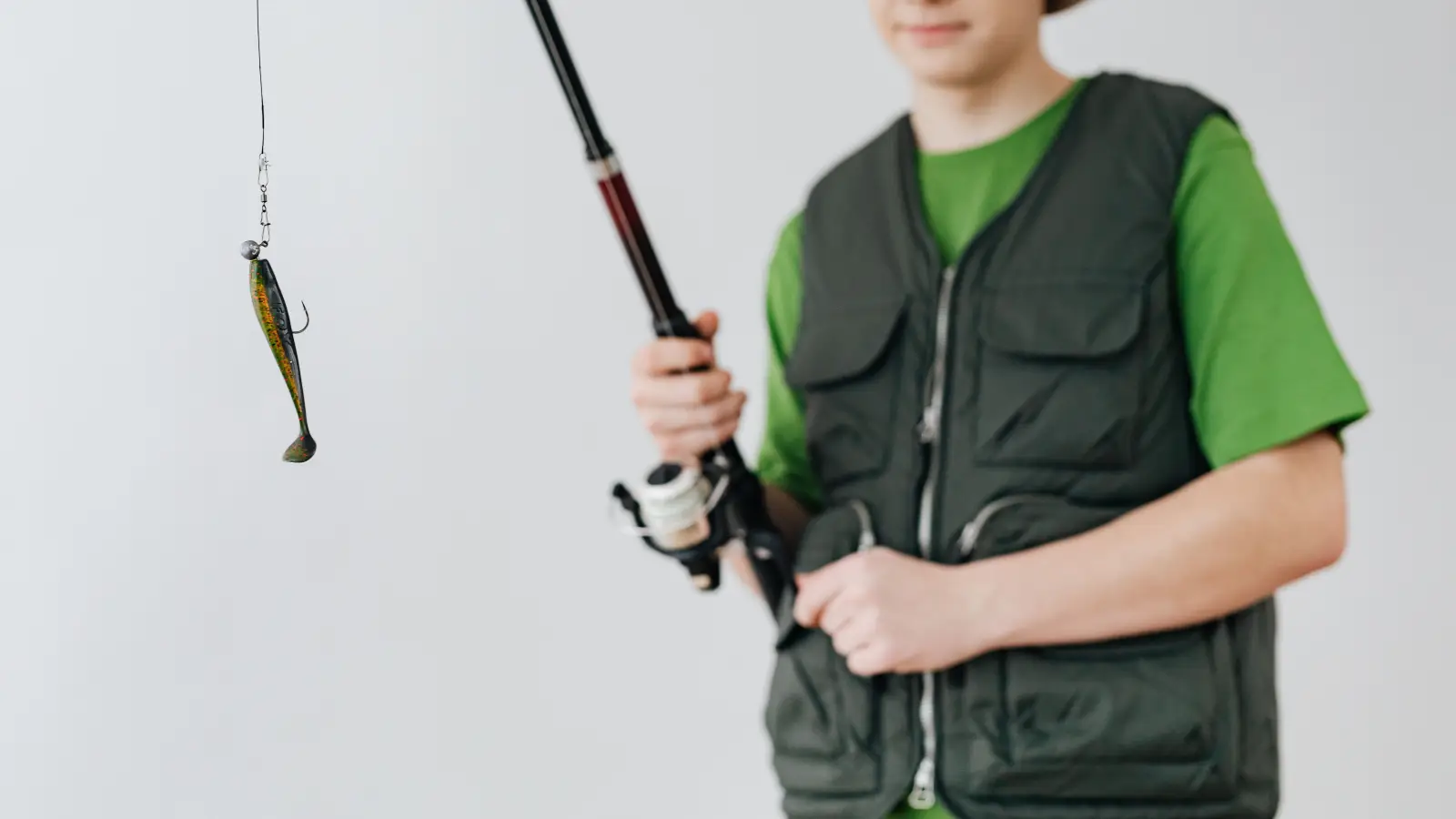
- Tie on a 6-pound fluorocarbon leader with a 12–15 inch tag end
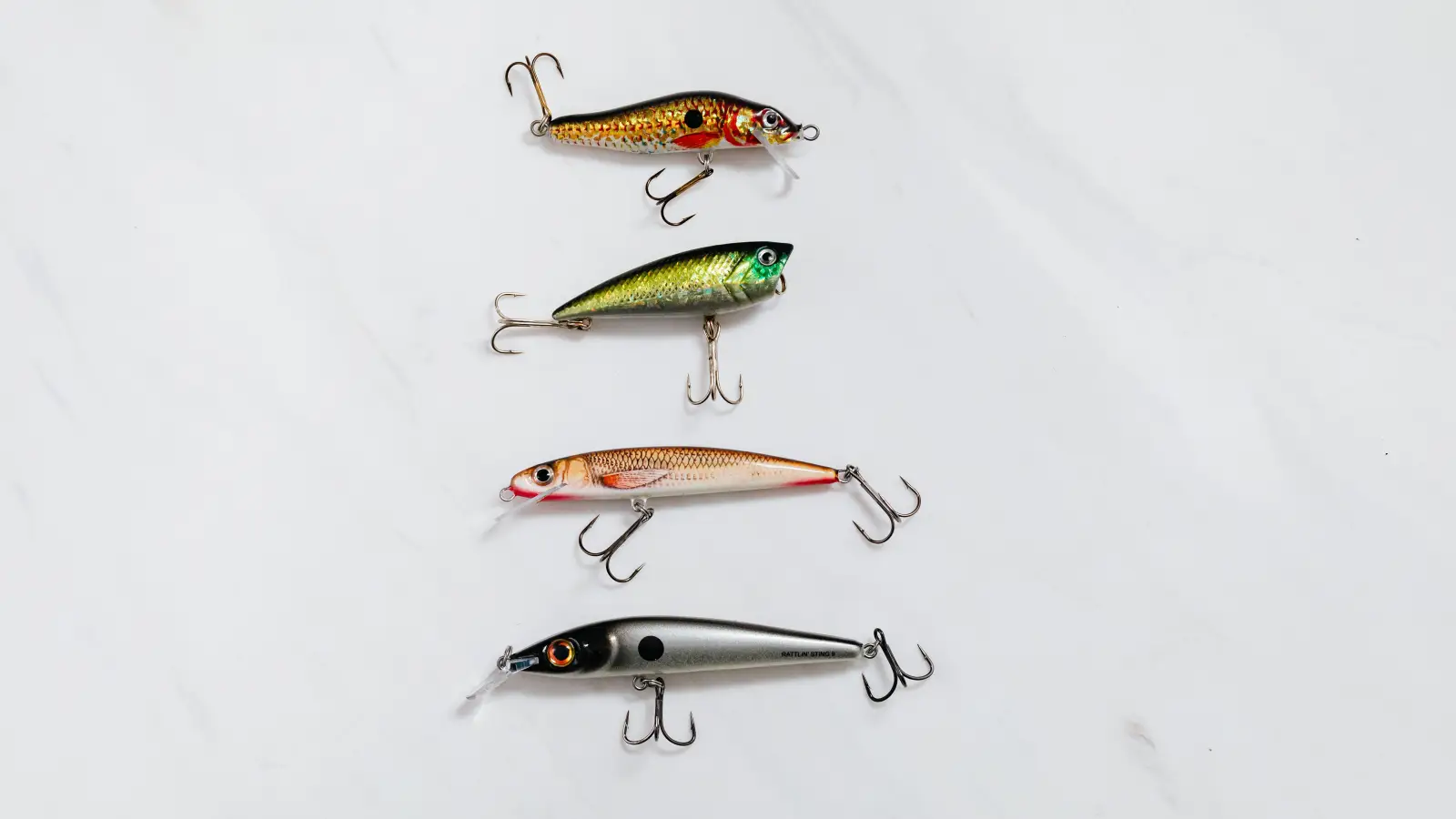
- Rig a small, natural-colored soft plastic that has no paddle tail or aggressive action
- Lower the bait slowly to the exact depth of the suspended marks, then stop it two feet above them
- Hold the rod still at 10 o'clock and apply a single fingertip twitch—just enough to flex a half-inch of rod tip
- Watch for a line tick, a sudden slackening, or a fish icon that changes its body angle on the screen
- Sweep the rod sideways to set the hook; do not snap it upward
Checklist Items Explained
Locate Suspended Bass on Side-Scan and Down-Scan
A down-scan view at 455 kHz—or a tight-cone 2D sonar—gives the cleanest individual fish arcs. Watch for groups of marks suspended at the same depth, often between 15 and 25 feet down over 40-plus feet of water. Pinpoint the top edge of the school; a drop shot placed precisely at that level triggers the quickest reactions. Once you've located a likely group, idle a wide loop to confirm the fish aren't drifting away. The scanning process usually takes three to five minutes.
The most frequent mistake is running at cruising speed and glancing at a broad side-scan image. At speed, suspended bass blur into faint, scattered dots that are easy to overlook. Slow the boat and let the down-scan resolve them into distinct arcs.
Position the Boat Upwind Without Spooking the School
Use the trolling motor on its lowest steady setting to ease into a spot where the wind or current pushes your cast back toward the fish. Stay a cast length or more away—50 to 70 feet is reliable—and never swing the bow directly over the school. When the water is exceptionally clear, a long cast on light line is safer than a perfect boat position that puts the boat too close. Allow two minutes for a quiet approach.
The common error is driving straight to the waypoint and stopping. In clear water, that halts the school's drift and pushes fish down. Approach from a distance and let the bait drift into the zone instead of the boat.
Tie On a 6-Pound Fluorocarbon Leader
A leader of 6-pound test fluorocarbon, cut to 12 to 15 feet, drastically reduces the line's visual signature in gin-clear water. Attach it to the main braid with an FG or double-uni knot. Fluorocarbon sinks and has a refractive index close to water, so from below it reads as a faint shimmer rather than a thick cable. Knotting the leader takes a minute or two with practice.
The pitfall here is sticking with 8-pound or heavier fluoro out of habit. In clear water, the step from 6- to 8-pound test is frequently the margin between a bass that rises to investigate and one that turns away at the last moment.
Rig a Small, Natural Bait Profile
Nose-hook a 3-inch minnow-shaped soft plastic—translucent shad or subtle green pumpkin without flake—so the hook point exits just behind the nose. The bait should hang perfectly horizontal, and it shouldn't carry a paddle tail or any appendage that generates vibration on the drop. Suspended bass in clear water rely heavily on sight; excess vibration can make the bait look wrong and kill the bite. Rigging takes less than a minute.
A common misstep is choosing a bait with a thumping paddle tail. That thump often registers as alarm, not invitation, when a bass is already on edge. Stillness and a natural profile win.
Lower the Bait Slowly to the Depth of Suspended Marks
Open the bail or thumb the spool to let the weight pull the rig down in a controlled fall. Watch the line on forward-facing sonar if you have it, or count the drop until the bait reaches the depth you recorded earlier. Stop the fall when the bait sits roughly two feet above the top of the school, then close the bail. In 25 feet of water, the full descent should take about 15 to 20 seconds.
Many anglers simply lower the bait until it hits bottom and then reel up. That approach works for bottom-oriented fish, but suspended bass often scatter when a weight crashes through the middle of the school. Deliberate, suspended placement is essential.
Hold the Rod Still at 10 O'clock and Apply a Single Fingertip Twitch
Keep the rod at about a 45-degree upward angle. With a light tension on the line, twitch the tip using only the pointer finger and thumb—the movement should flex just a half-inch of the tip, no more. The object is to make the bait quiver, not jump; move it no more than an inch. Give a single twitch every five to eight seconds. This isn't a retrieve, it's a suggestion of life. Holding that level of restraint becomes second nature after a few trips.
The common trap is overworking the bait. A hard double-twitch or a quick hop makes the bait dart, and in clear water that's a signal of something unnatural. Subtlety is everything.
Watch for Line Tick and Graph Posture Changes
Shift your focus among three points: the rod tip, the line where it meets the water, and the sonar screen. On the graph, look for an arch that rises a few feet and tilts its head and pectoral fins down toward the bait. That posture signals the fish is about to eat. At the same moment, if the line twitches, goes slack, or edges sideways, the bait is already in a bass's mouth. These cues happen fast—sometimes under two seconds—so recognition has to be immediate.
The mistake that costs the most fish is staring only at the rod tip and ignoring the sonar. A suspended bass in clear water can inhale and eject a tiny drop-shot bait without any visible movement at the tip. The graph gives the early warning.
Sweep the Rod Sideways to Set the Hook
The moment you detect a take, sweep the rod horizontally—low and smooth—in the direction that offers the best line angle. No upward snap. The goal is to drive the small wire hook into the corner of the mouth without tearing the bait loose. A sideways sweep also keeps the fish from rocketing straight up and throwing the hook. The motion takes less than a second.
Anglers accustomed to flipping heavy soft plastics often default to an upward jolt. With light line and small hooks, that can pull the bait out of the fish's mouth or snap the leader. The sweep is all the force required.
Quick Verification: Are All 8 Steps Aligned?
Before sending the next cast, run through this list:
- Leader is 6-pound fluoro with no nicks
- Bait is nose-hooked and hangs horizontally
- Boat is positioned so the cast drifts into the school, not over it
- Graph is dialed to a clear down-scan or 2D frequency
- Twitch amplitude stays under one inch of rod-tip movement
Fix anything that's off. The window won't wait.
Printable Cheat Sheet: The 8 Steps for the Boat
Tear this out and keep it on the console:
- Find suspended bass on down-scan at specific depth
- Approach upwind, cast-length away
- 6-lb fluoro leader, 12–15 inches tag
- Rig small, natural bait (no paddle tail)
- Lower bait slowly to 2 feet above the school
- Twitch with fingertip: half-inch flex, every 5–8 seconds
- Watch for line tick and fish tilting on graph
- Sweep set sideways
Answers to Common Questions About Clear-Water Drop Shotting for Suspended Bass
What pound test is best for drop shotting suspended bass in clear water?
Six-pound fluorocarbon is the right starting point. It sinks, it nearly disappears, and it has enough strength to handle a sudden surge when you play the fish calmly. Any lighter risks breaking on the hookset; any heavier becomes a visible line that suspended bass often refuse.
How do you read bass body language on a fish finder?
On down-scan or tight-cone 2D, a neutral or negative bass shows as a horizontal, slightly curved arch. When the fish becomes interested, that arch tilts—usually nose-down—and rises a few feet toward the bait. If it suddenly darts downward or flattens without rising, it's losing interest. The tell is the angle change, not just the depth change.
Why do suspended bass sometimes just stare at a drop shot bait and not bite?
In clear water, they see everything: the line, the knot, the unnatural weight motion. If the line is too thick, the bait twitches too much, or the boat is overhead, the fish will inspect but refuse. The stare is a refusal caused by one small element that doesn't add up. Fix that element and the next cast often connects.
Can you use a drop shot for suspended bass without seeing them on electronics?
You can, but you're fishing blind to depth. Without sonar, you won't know where the school is, so you'll spend most of your time presenting the bait in empty water. The entire approach depends on placing the bait precisely two feet above the school. Electronics turn a low-percentage search into a high-percentage presentation.
Next Time on the Water: The Shortcut to Faster Success
Once you've executed this sequence a few times, two habits speed everything up. At home, pre-rig a few leaders with 6-pound fluorocarbon and tie the FG knot before you're on the water dealing with chop. Before you launch, set your graph's color palette to highlight tight arches at the depth range you expect, and slow the scroll speed so individual fish marks don't blur. Those two adjustments strip minutes off each setup and let you focus on the real work—catching the first tilt of a bass before the window closes again.