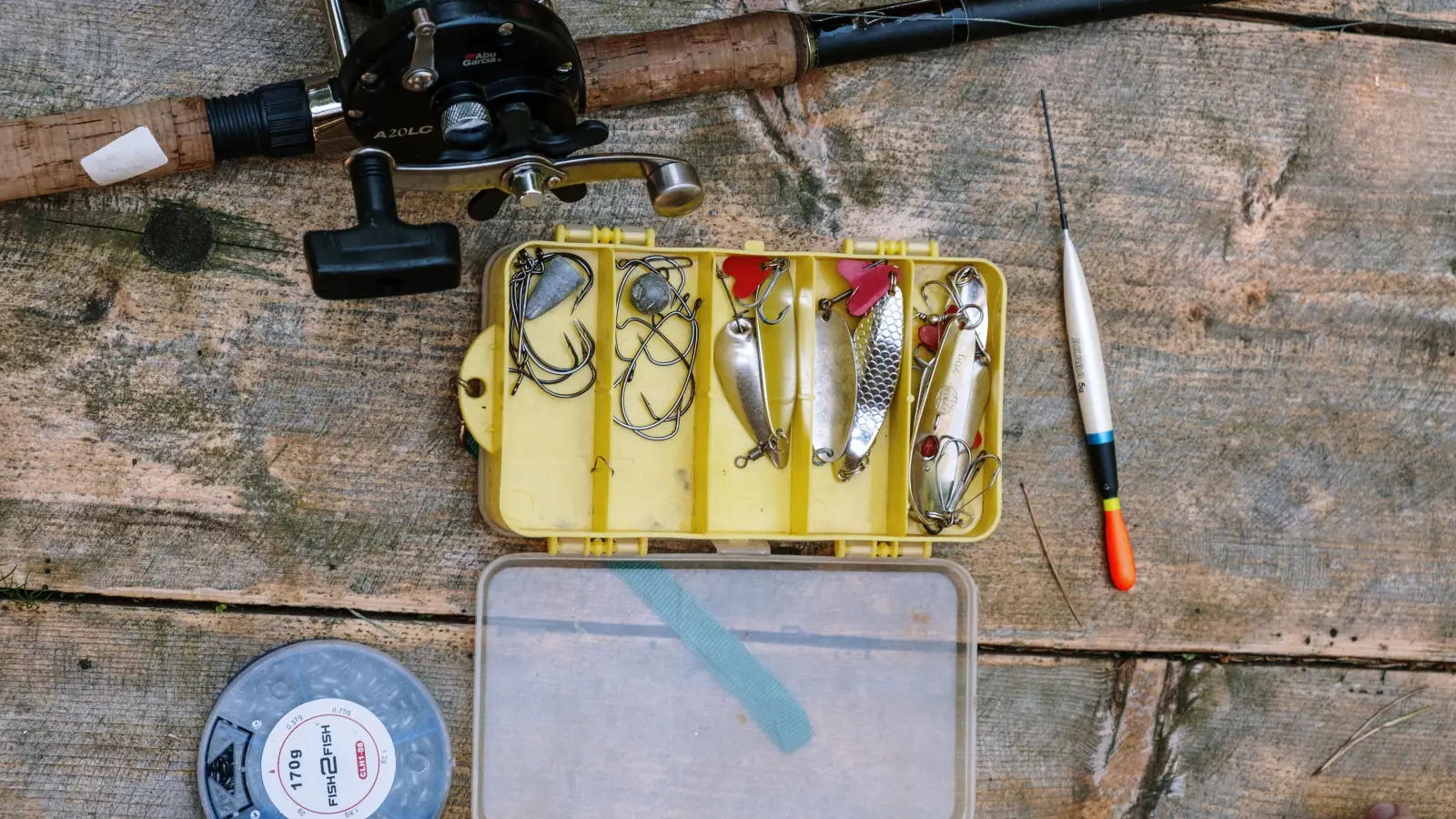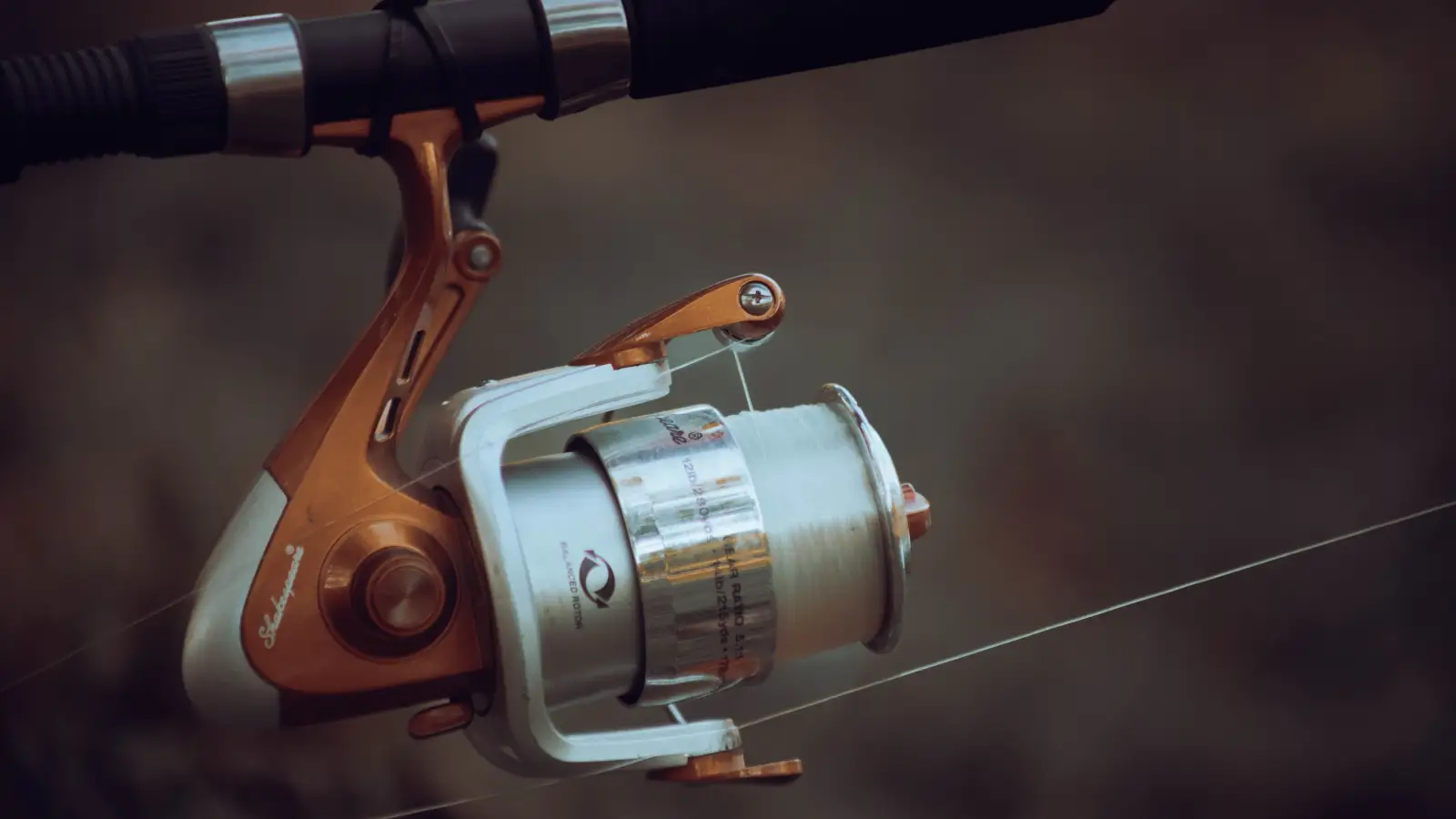
A reel technician opens a baitcaster not because it feels rough, but because the distance control has started drifting—an early sign that a brake plate is picking up oil, a bearing shield has shifted, or the levelwind pawl has worn that silent flat spot. Spinning reels telegraph trouble differently: they tolerate neglect until the line roller freezes or the bail spring goes dead. This side-by-side maintenance schedule exposes each design’s failure points so you clean only what’s necessary, and only when it preserves the reel, not after it’s already damaged.
The Short Version: Clean a Baitcaster and Spinning Reel in 5 Stages
- Disassemble on a light-colored mat, placing parts in removal order. For a baitcaster: spool, side plate, brake plate, levelwind cover. For a spin reel: spool, drag knob, rotor, side cover.
- Brush loose grit and old grease from gear teeth, worm shafts, and bearing pockets. On baitcasters, focus on the centrifugal brake drum and pinion area; on spin reels, the line roller and bail spring housing.
- Soak metal parts in reel-safe degreaser. Dry with compressed air or let air-dry completely. Trapped solvent dilutes new lubricant.
- Lubricate bearings with one drop of light oil. Pack gear teeth, worm gear tracks, and bail spring with a tacky marine grease. Leave brake surfaces (drum, blocks) dry.
- Reassemble, then set baitcaster spool tension so the spool drops about an inch per second. For spin reels, check that the rotor spins freely with zero play and the bail trip is crisp.
Tools You’ll Need Before You Start
Cleaning either reel type demands a few precise items. Guessing at screw sizes or lubricants turns a routine job into a parts order.
- Jeweler’s screwdrivers (1.0–2.5 mm flathead and Phillips)
- Reel-specific degreaser (Ardent Reel Kleen, Simple Green Aircraft, or isopropyl alcohol at 90%+)
- Compressed air can or soft-bristle brush
- Two lubricants: light bearing oil (Yellow Rocket Fuel or Lucas) and marine grease (Yamalube Marine or Super Lube)
- Toothpicks or fine applicators for grease placement
- Small magnetized tray for C-clips and springs
- Microfiber rags and cotton swabs
Obtain an exploded parts diagram for your exact model before you remove the first screw. It’s not a learning tool; it’s a recovery tool when a spring disappears.
Detailed Cleaning Walkthrough: Baitcaster vs. Spinning
Disassemble the Baitcaster: Grit Hides in the Levelwind and Brake Drum
Remove the side plate opposite the handle. Most open with a threaded ring or flip latch. Lift the spool out—watch for a small retaining pin on the spool shaft that drops if you tilt it. Set the spool aside on a clean rag.
Extract the brake plate next. For centrifugal brakes, note which blocks are engaged; uneven wear changes brake response. Pull the pinion gear clip and slide the pinion off the spool shaft. Unscrew the handle nut and star drag, then take the main gear off the driveshaft.
Open the levelwind worm gear cover. This assembly degrades quietly. A dry pawl wears a flat spot, and the line begins stacking to one side. Clean the worm track and the pawl cap now, or order a replacement pawl within a few trips. Run a fingernail along the worm groove; if it catches in a worn trench, replace the worm gear before it binds.
If the reel uses magnetic brakes, wipe the magnet surface with a dry swab only. Solvent or oil on the magnets makes brake force inconsistent.
Disassemble the Spinning Reel: Simpler Shape, Different Wear Points
Unscrew the spool cap and remove the spool. Pull the drag knob—a small click pin and spring sit underneath, and they’re easy to misplace. Loosen the rotor nut (often reverse-threaded) and lift the rotor off.
Do not fully dismantle the bail assembly unless the bail trip is failing. The bail spring is tiny and will launch. Instead, flush the mechanism with degreaser, work it open and shut several times, then blow it dry with compressed air.
Take out the side cover screws and open the gear housing. The main gear, oscillation gear, and anti-reverse clutch are visible. Spin reels commonly pack heavy grease into the oscillation slot; once it hardens, spool oscillation becomes jerky and line lay grows uneven. Scrape and flush the old grease completely.
Degrease Both Reel Types: Remove Old Lube Without Damaging Composites
Soak metal components in a small container of degreaser. Bearings need 20 minutes; gears, 5–10. Agitate with a brush. If a bearing still feels rough after soaking, replace it. A pitted race cannot be flushed clean.
Plastic or composite side plates should not soak longer than a few seconds. Some degreasers soften nylon over time. Wipe them with a damp rag.
Clean the baitcaster’s centrifugal brake drum with a dry swab. Any oil causes the brake shoes to slip on the drum, producing overruns. If oil gets on the surface, clean it off with alcohol until the drum is bone-dry.
Pull the spinning reel’s line roller apart. Most ride on a single bearing that seizes from salt or grit. If it’s rusty, save the rubber O-rings and replace the bearing. A frozen roller twists braid on the retrieve, leading to wind knots.
Lubricate: Oil for Spinning Parts, Grease for Sliding Contact
Baitcaster bearings: Apply one drop of light oil per bearing. Retain bearing shields if possible—they block contamination. One drop is enough to fill the race without overfilling; excess oil increases drag and reduces spool startup speed.
Baitcaster gears: Use a toothpick to coat main gear and pinion teeth with a thin marine-grease film. Fill the tooth valleys, not the faces. The worm gear track needs grease packed in, and the pawl cap gets a small dab under its retaining plate.
Baitcaster brake plate: Keep it dry. The drum and brake block surfaces must have zero lubricant. Even a fingerprint of oil makes brake engagement unpredictable, the most common cause of backlash that disappears with new line and returns later.
Spinning reel gears: Grease the main gear, oscillation gear, and oscillation slot more generously—a thicker film is acceptable because these gears run slower in an enclosed body.
Spinning reel line roller: Clean the bearing, pack fresh grease behind the roller, then apply a drop of oil to the roller surface. This is the single most neglected lubrication point in fishing tackle. Without it, the roller seizes and the line rides on a stationary metal surface, abrading braid or mono.
Bail spring: Dab grease on the bail arm spring before closing the rotor. A dry spring will eventually snap under tension or fail to close during a cast.
Reassembly and Tension Tests
After reassembling the baitcaster, tighten the spool tension knob until the spool has no lateral play, then loosen it gradually. The correct setting: with the thumb bar depressed, a gentle shake lets the spool drop about an inch per second. Magnetic brakes should be set to zero initially.
For the spin reel, spin the rotor. It should coast with a smooth, quiet sound—no ticking or grinding. Rock the rotor side to side; any play signals a loose rotor nut. The bail must snap open and shut with a clear click. Mushiness means the spring needs more grease.
Checkpoints: Signs That Cleaning Worked
- Post-degreasing: Gear teeth are dry and free of black, cakey residue. Bearings spin silently, without grit.
- Post-lubrication: Baitcaster spool spins freely for 5–10 seconds with a sharp flick. Spin reel rotor rotates with a faint, even hum.
- After reassembly: Baitcaster thumb bar engages and disengages cleanly. Spool tension knob alters fall rate immediately. Spin reel bail trips with light thumb pressure; anti-reverse catches instantly when turning the handle backward.
If Something Went Wrong
- Reel feels tight or stiff after cleaning: Over-greased gears or oil on the brake plate. Disassemble, wipe gear teeth down to a thin film, and clean the brake drum with alcohol.
- Spin reel bail won’t snap closed: The bail spring dislodged or lacks grease. Open the rotor, verify the spring anchor, and add a small dab of grease.
- Baitcaster backlash increased: Oil contaminated the brake surface. Degrease the drum and brake blocks with alcohol. Confirm spool tension is set correctly—the spool should not freefall.
- Line roller still rough: The internal bearing is pitted or rusted. Replace the bearing and O-rings. This is a cheap fix that prevents braid damage.
FAQ
How often should I clean a baitcaster compared to a spinning reel?
A baitcaster fished fresh water every weekend needs a bearing oil drop every 3–4 outings and a full tear-down every 6 months. Spinning reels can go a full season between deep cleans if rinsed after salt use, but the line roller demands monthly lubrication. The different schedules reflect design tolerance: baitcasters accumulate damage silently, while spin reels get noisy yet continue functioning.
Can WD-40 clean fishing reel bearings?
It cannot. WD-40 leaves a light residue that thins proper lubricant and attracts dirt. Use a dedicated reel degreaser or high-percentage isopropyl alcohol. In a pinch, lacquer thinner works on unshielded metal bearings but will melt plastic retainers, so keep it away from composite parts.
Why does my spinning reel click after cleaning?
Usually the anti-reverse clutch wasn’t seated correctly or a cotton fiber caught in the ratchet. Open the body, ensure the clutch roller pins sit flush. The noise often fades after a few handle rotations. If it persists, a clutch spring may be broken.
Do drag washers need service too?
Yes, if drag feels grabby or slips under load. Wipe carbon fiber washers clean and relube with drag-specific grease. Felt washers in older reels dry out and should be replaced. Never use marine grease on drag washers—it causes stick-slip and erratic drag pressure.
Next Step
Once both reels pass the checkpoints, spool fresh line matched to your intended lure weights. A baitcaster with dry brakes and proper spool tension casts farther with fewer backlashes; a spin reel with a fast line roller lays line evenly and protects braid from premature wear.