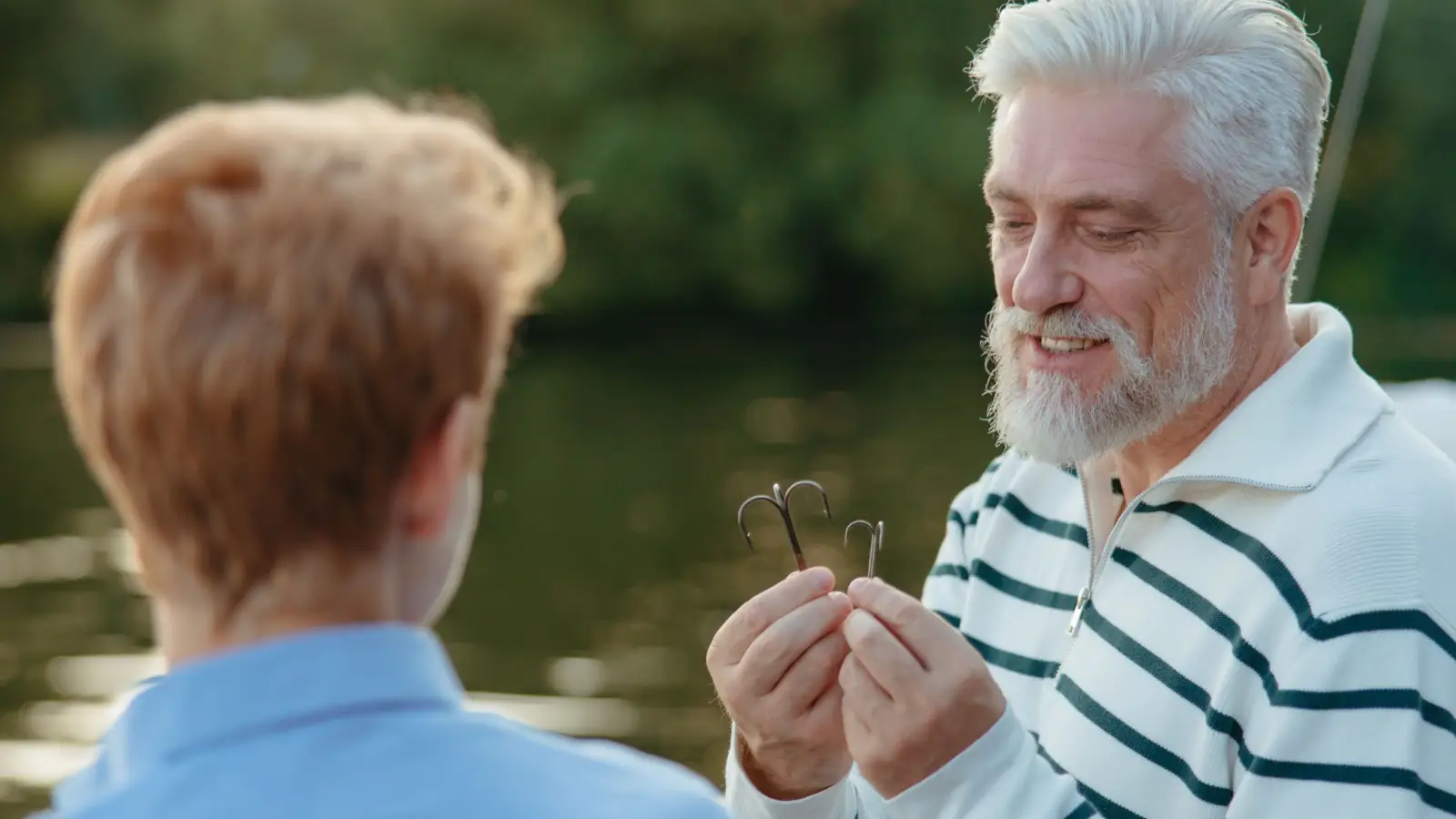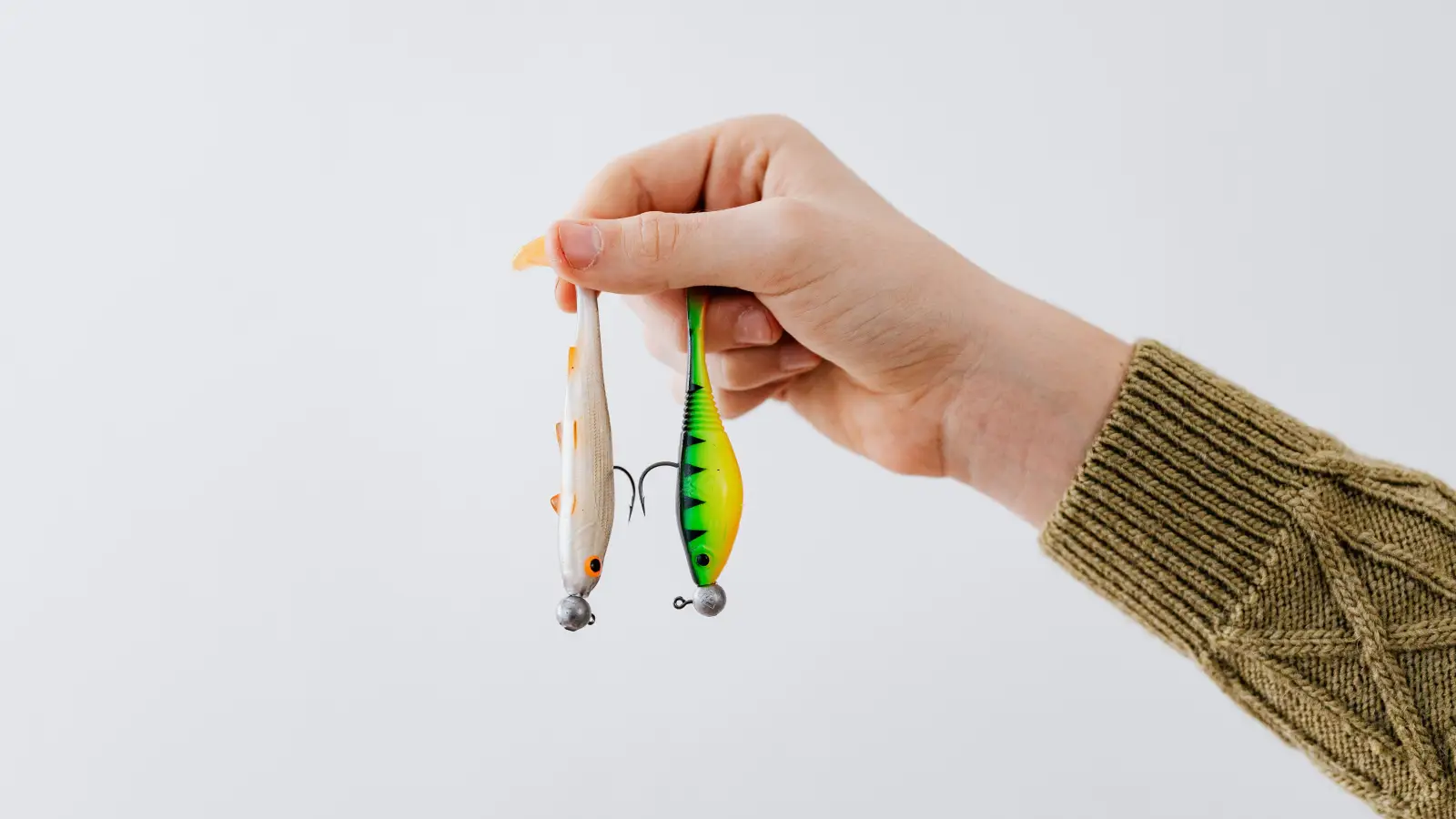
The urge to use a smaller hook is understandable: it fools more fish and looks harmless. But a hook that's too small is often the one that kills, because it passes through a fish's gape without resistance and lodges where removal does the most damage. The real answer to releasing fish alive is not just switching to barbless models—it's a deliberate choice of hook size, gap, and style that keeps the point in the jaw and out of the vital organs. The strategy below lays out a tiered approach that respects the fish's biology and still puts fish in the hand.
The Tiered Hook Selection Checklist for Live Release
- Assess the target fish's mouth size and feeding style before rigging.
- For live or cut bait, start with circle hooks sized to the bait's width.
- When using J-hooks on artificial lures, choose a gap that clears the fish's throat when set.
- Use hook sizes that match water temperature: larger in warm water when fish swallow faster.
- Land fish quickly to reduce the chance of deep swallowing.
- Remove the hook using a disgorger or pliers within 30 seconds; if deep, cut the leader instead of pulling.
- Revive the fish until it swims away under its own power.
Checklist Items Explained
Assess Mouth Structure Before Rigging
It only takes half a minute to size up the fish you're after, but that pause changes everything. A largemouth's cavernous maw can sweep in a 5-inch bait—and a hook gap too narrow will end up in the gullet, not the lip. On the other hand, a bluegill's small, vertical mouth needs a compact hook. The mistake anglers make time and again is thinking a "general-purpose" hook covers every situation. Measure the hook gap against the mouth depth of the species. A proper gap prevents the point from traveling past the jaw hinge, where injury becomes internal and often fatal.
Size Circle Hooks to the Bait, Not the Fish
Circle hooks rely on physics: they rotate inside the mouth as the fish swallows and find the corner of the jaw automatically. But that rotation fails if the hook gap is buried in bait. Threading a 3-inch mullet onto a size 2 circle hook is a common error—the bait chokes the gap, and the hook acts like a straight-shanked J-hook, sinking deep. A better approach: match the gap to the bait's width. A live shrimp about the size of a quarter calls for a 1/0; a hefty chunk of bunker demands a 5/0 or 6/0. This sizing keeps the hook working as designed, catching the jaw hinge without ever touching the stomach.
Set J-Hook Gaps to Bypass the Throat
With artificial lures, J-hooks dominate, but they lack the self-correcting geometry of circles. The gap must create enough lift on the hookset that the point swings upward and punches through the roof of the mouth or the corner. For a 7-inch Texas-rigged worm, a 3/0 or 4/0 offset wide-gap hook is a proven choice—the wide gap cams the point away from the esophagus. The error is using a hook barely wider than the plastic. When the gap is narrow, the point has no room to rotate and drives back toward the throat. A good rule: the gap should be at least one and a half times the bait's thickness. It feels like a small geometry adjustment, but it drastically reduces deep hooking.
Adjust Hook Size to Water Temperature
Biology dictates part of this decision. In warm water, a fish's metabolism revs up, and it engulfs prey quickly—sometimes before the angler even registers the bite. Stepping up one hook size creates a larger presence in the mouth, increasing the chance that the point engages early, in the jaw. A crankbait treble might go from a size 2 to a size 1 in summer. Cold water slows everything down, so a slightly smaller hook won't immediately sail to the gut. Many anglers get this backward, downsizing in summer for a delicate presentation—and then deal with gut-hooked fish that should have been lip-caught. Recognizing the rhythm of the fish's feeding changes the whole equation.
Fight and Land Fast, Then Assess
A drawn-out fight stresses muscles and pushes the hook deeper. Use tackle that lets you steer the fish to the net quickly; there's no honor in underpowered gear that turns every grab into an endurance contest. Once landed, the first 15 seconds are the most important. Look for the hook's position: corner of the mouth, lower jaw, or far back past the tongue. If you see the hook eye disappearing into the throat, the shank has likely entered the esophagus. That's the moment to stop, remain calm, and switch to cut-the-line mode. Yanking on it only rips tissue and raises mortality.
Remove Safely or Cut the Line
Having long-nose pliers or a disgorger at hand is non-negotiable. For a jaw-hooked fish, grip the bend, twist, and pop it out—under ten seconds. But if the hook sits in the gills or deep esophagus, cutting the leader as close to the eye as possible is the only responsible choice. Fish with a cut leader often survive and either shed the hook or grow tissue around it. The hardest thing for an angler to accept is leaving a hook behind, but repeated tugging and probing can cause fatal bleeding. Losing a dollar's worth of terminal tackle saves a wild resource.
Revive Until the Fish Powers Away
After any release, especially following a long fight or a deep hook, the fish needs water moving through its gills. Hold it upright in a current or gently move it forward by the tail. Don't let go until it tries to swim off on its own. Releasing a fish that drifts feebly into the depths often means it will die later from exhaustion. This step can take anywhere from 30 seconds to several minutes. The payoff is seeing that tail kick confidently and knowing the release was real.
Before You Cast: Final Verification
- Hook gap is appropriate for the species' mouth cavity and bait size.
- For bait fishing, a circle hook is rigged and the gap is clear.
- Release tools (pliers, disgorger, line cutter) are attached to your vest or boat within arm's reach.
- Tackle strength matches the fish you expect: landing time target under 60 seconds.
Printable Hook Selection Card
Cut out and keep in your tackle box.
Quick Reference for Common Scenarios
- Largemouth bass, soft plastics: 3/0–5/0 offset wide-gap worm hook
- Largemouth bass, live shiner: 2/0–4/0 circle hook
- Trout, small spinners: Size 8–10 single barbless hook (replace trebles)
- Redfish/seatrout, live shrimp: 1/0–2/0 circle hook
- Panfish (bluegill, crappie), worms: Size 6–8 long-shank J-hook (easy removal)
- Catfish, cut bait: 5/0–8/0 circle hook depending on chunk size
Frequently Asked Questions
Why not just always use barbless hooks?
Barbless hooks are easier to remove and cause less tissue damage during extraction, but they don't stop a hook from being swallowed. A small, barbless J-hook can still reach the esophagus and damage vital organs. The primary defense against deep hooking is the right size and style, not just the absence of a barb.
Do circle hooks really reduce gut-hooking?
Absolutely, when they're sized to the bait. The inward-point design slides along the stomach wall until it reaches the jaw hinge, where it rotates and catches. If the gap is too small, the hook can't pivot and behaves like a J-hook—so a correctly matched circle hook is essential.
What's the safest hook size for catch-and-release bass fishing?
For soft plastics, a 3/0 or 4/0 extra-wide gap hook gives the best blend of quick jaw-hooking and throat clearance. For live bait, a 2/0 or 3/0 circle hook is the safest bet.
How do I know if a fish is gut-hooked before I try to remove it?
Look for the hook eye deep in the mouth, past the tongue. If the line exits the throat instead of the corner of the jaw, assume the hook is in the esophagus. Don't pull if you can't see the hook bend—probing blind can do more harm.
Can a fish survive with a hook left in it?
Yes, many do. Non-stainless hooks rust and fall out over time, or the fish's tissue encapsulates the hook. Cutting the line close to the eye and releasing the fish quickly gives it a better chance than prolonged removal attempts that cause bleeding.
Land More Fish, Lose Fewer
Choosing hook size and style with the fish's anatomy in mind—not just your need for bites—shifts releases from hopeful to reliable. The quickest way to make this a habit is to pre-rig the night before a trip with hooks matched to your target species and techniques. On the water, there's no fumbling or compromise; you grab the right setup and know the release will be cleaner. That single act of preparation turns every catch into a conscious act of stewardship.